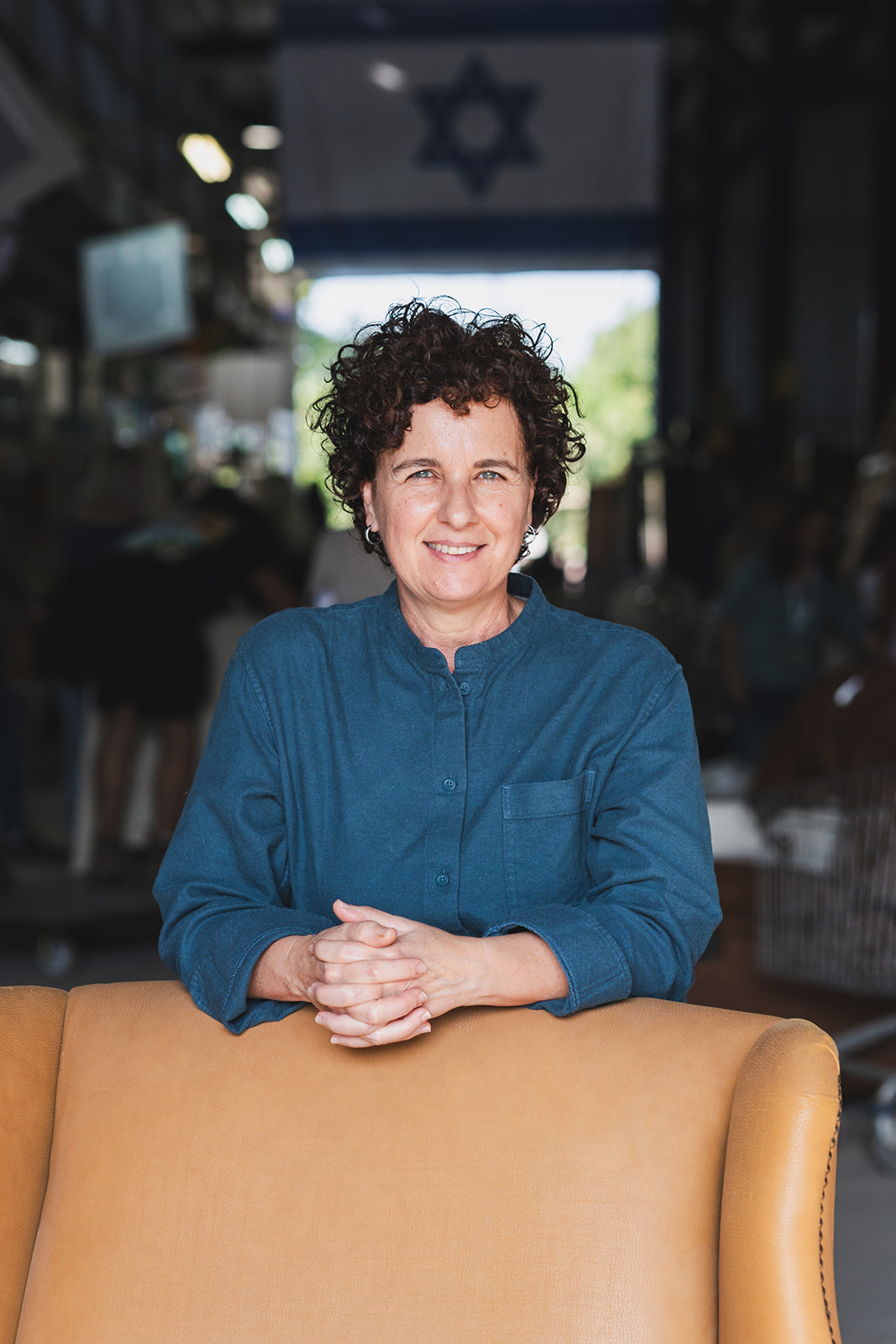
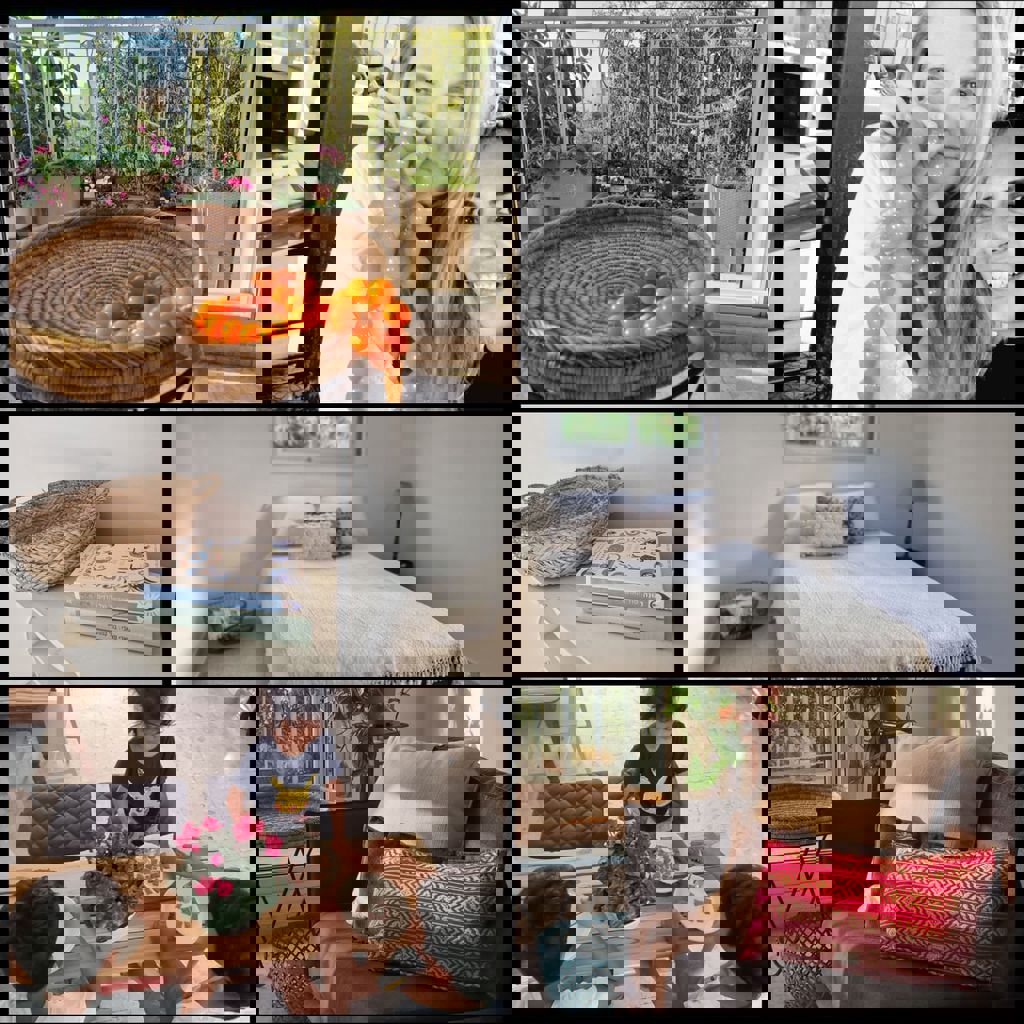
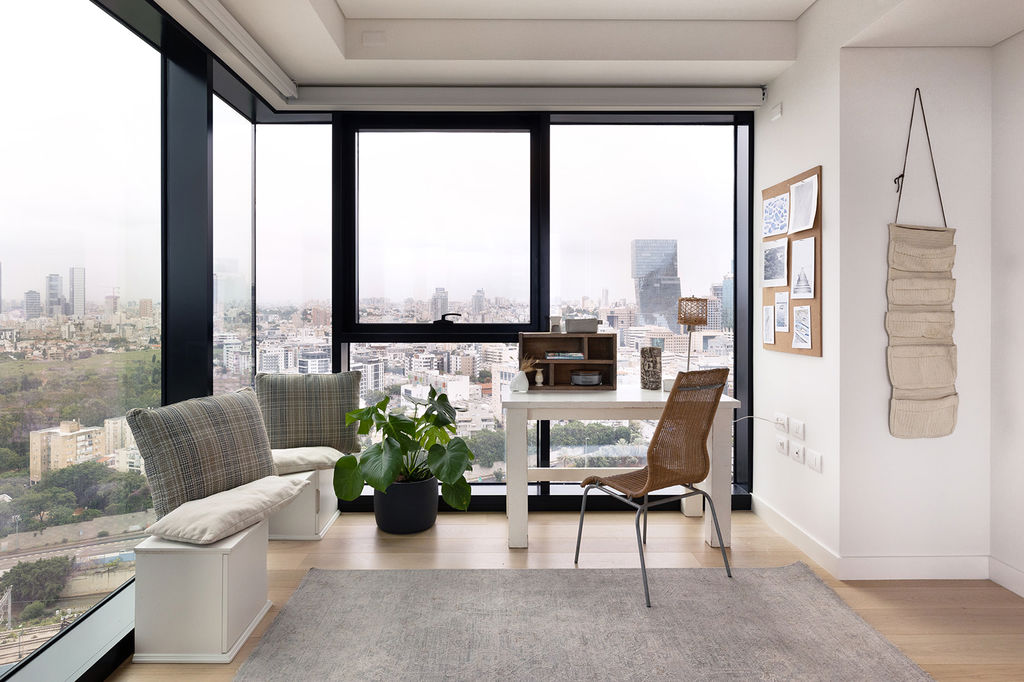
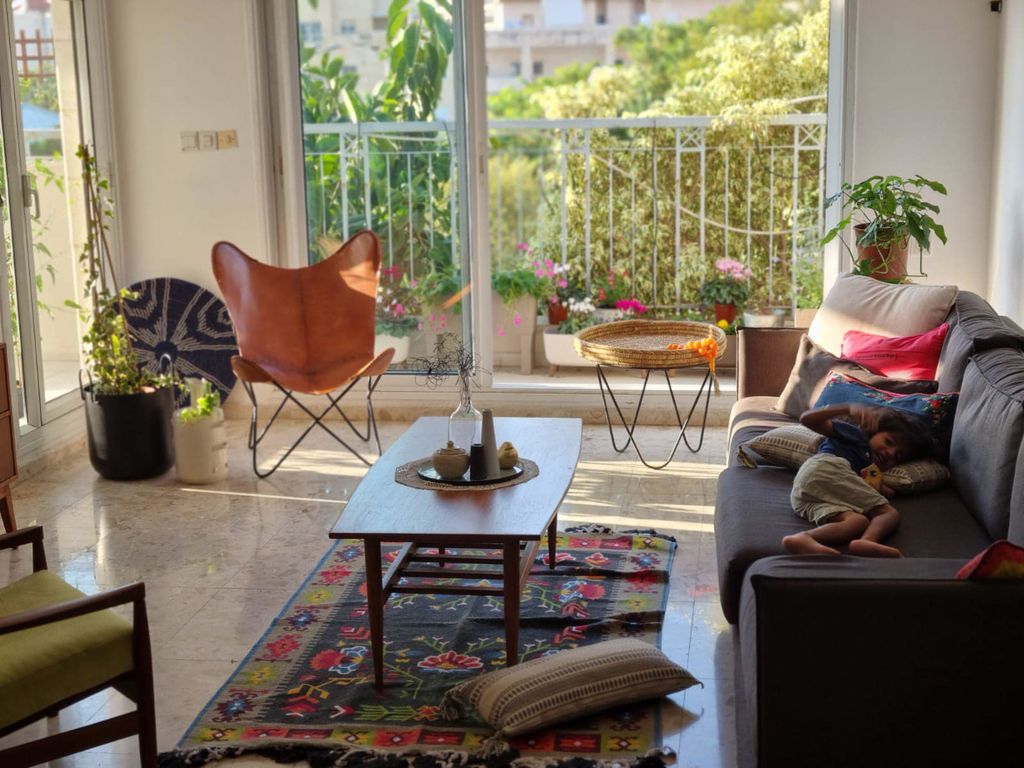
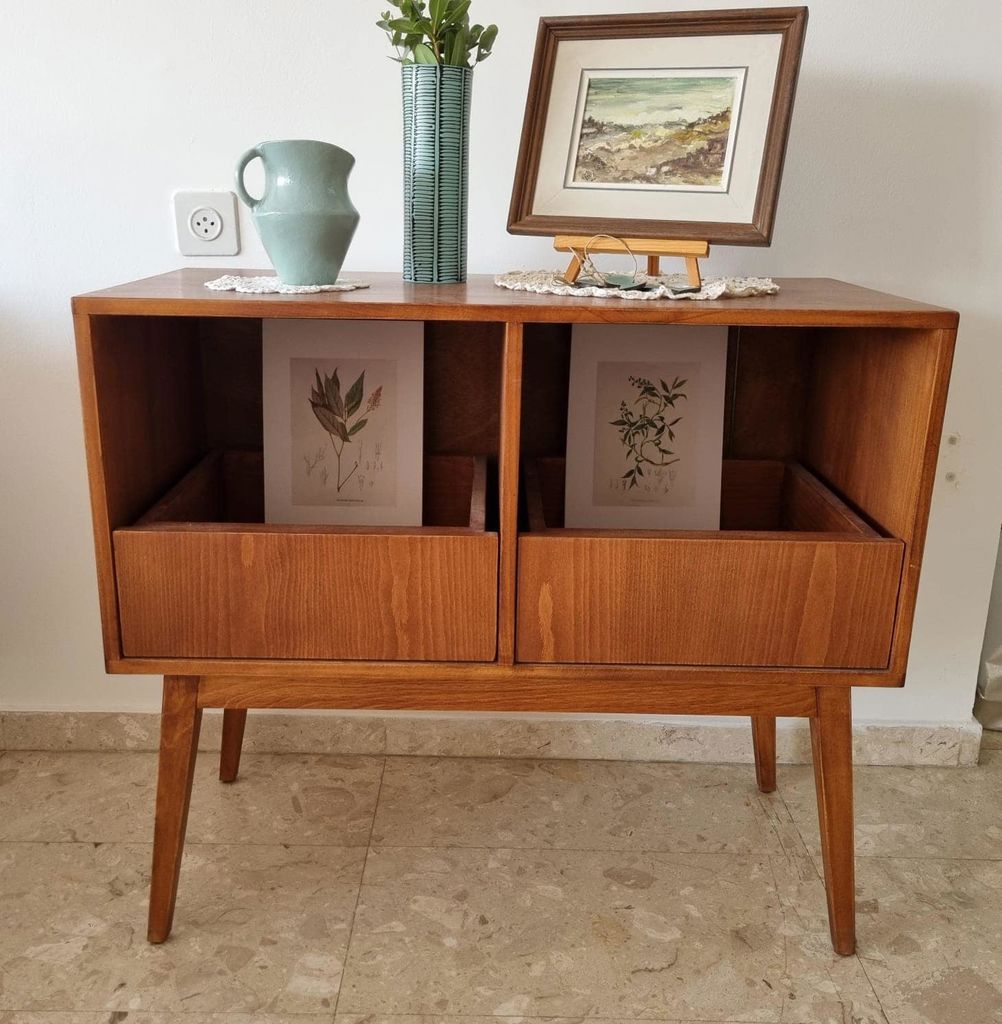
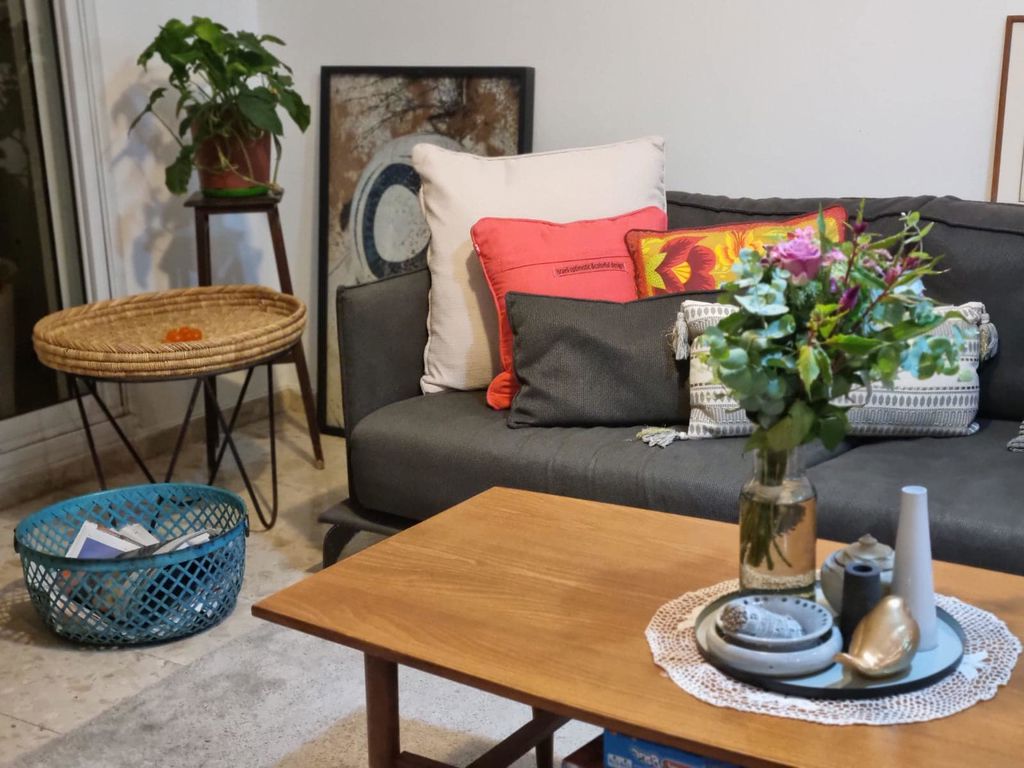
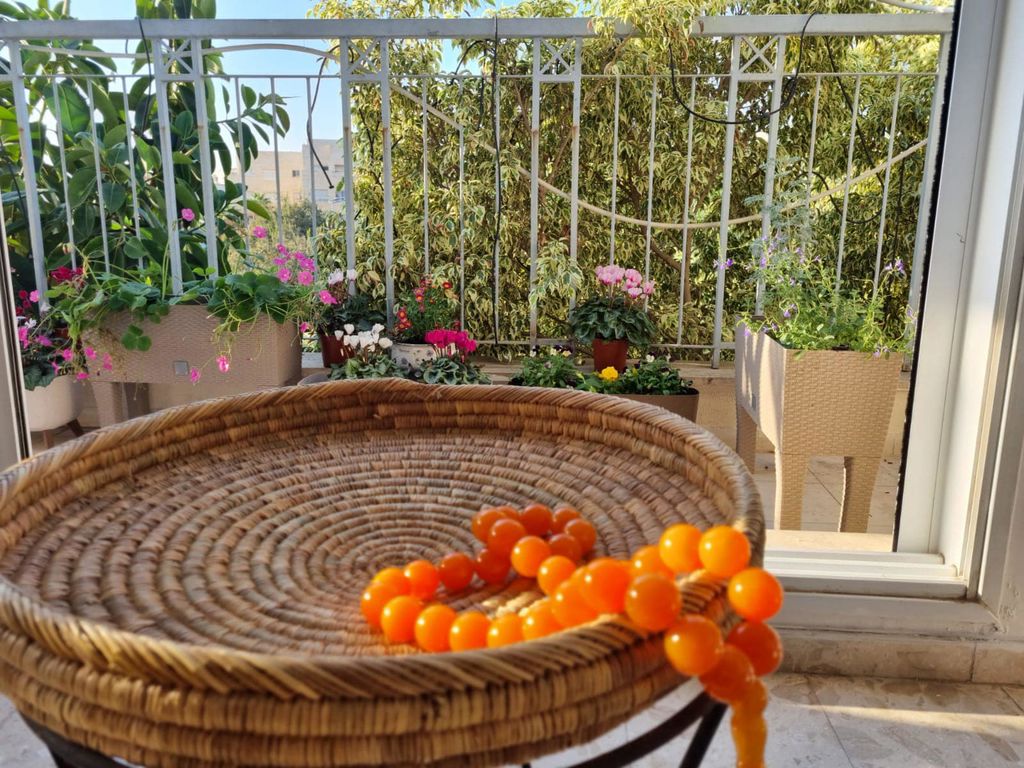
The Homes of Hazit HaBayit | Orly Robinson
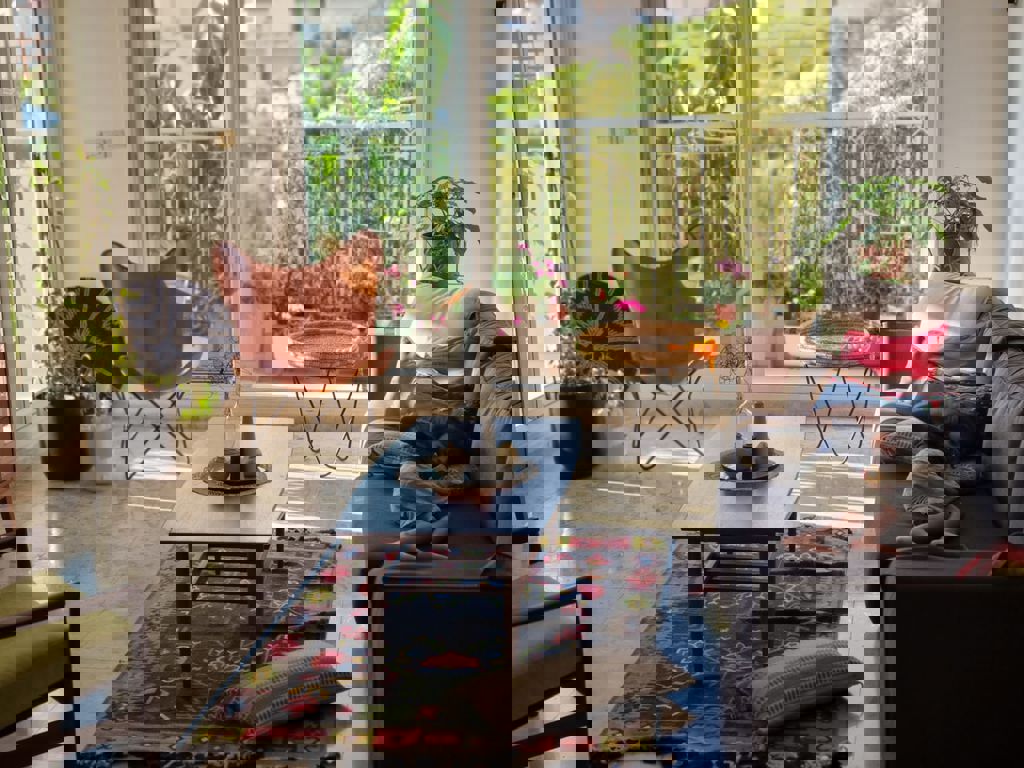
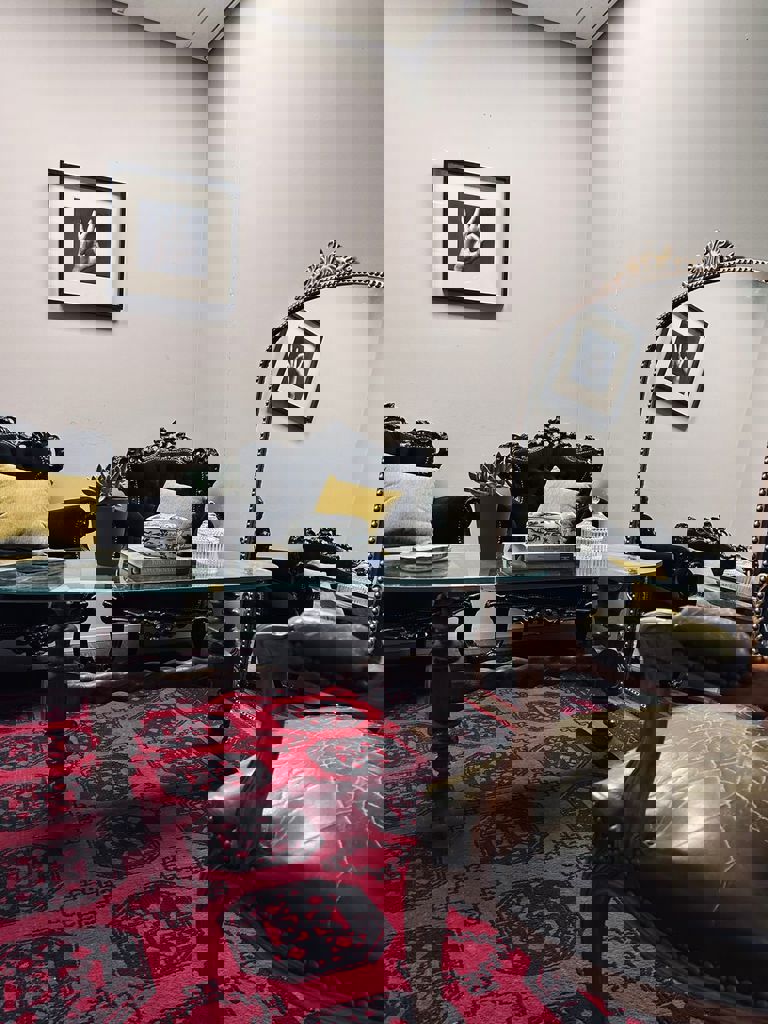
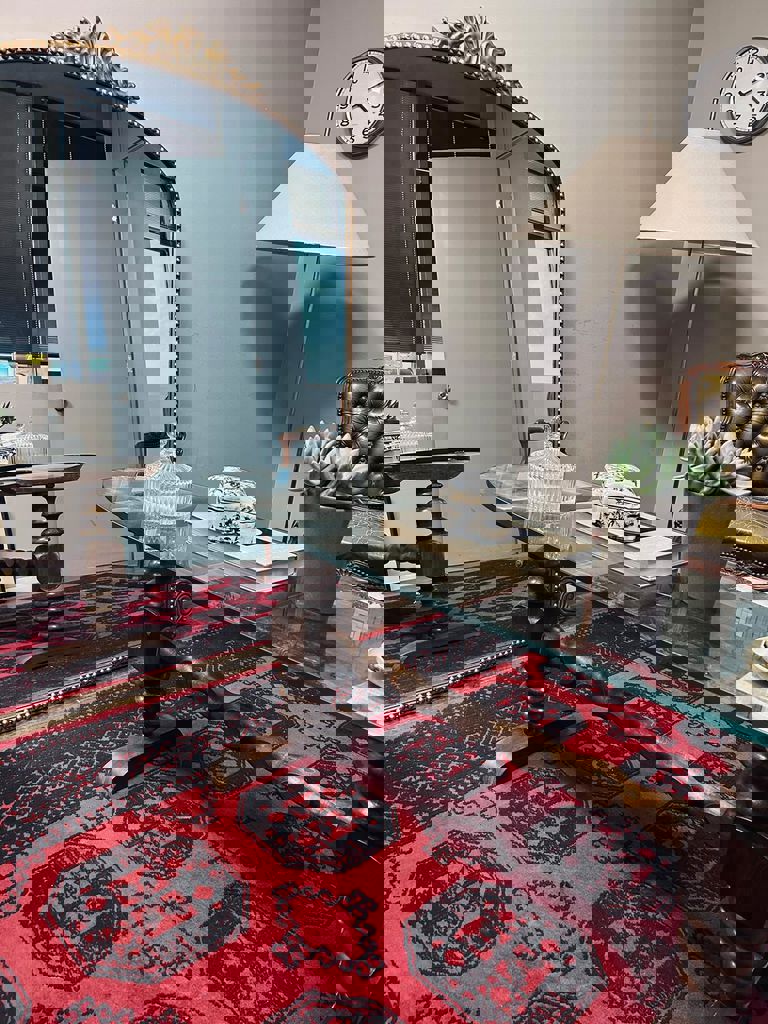
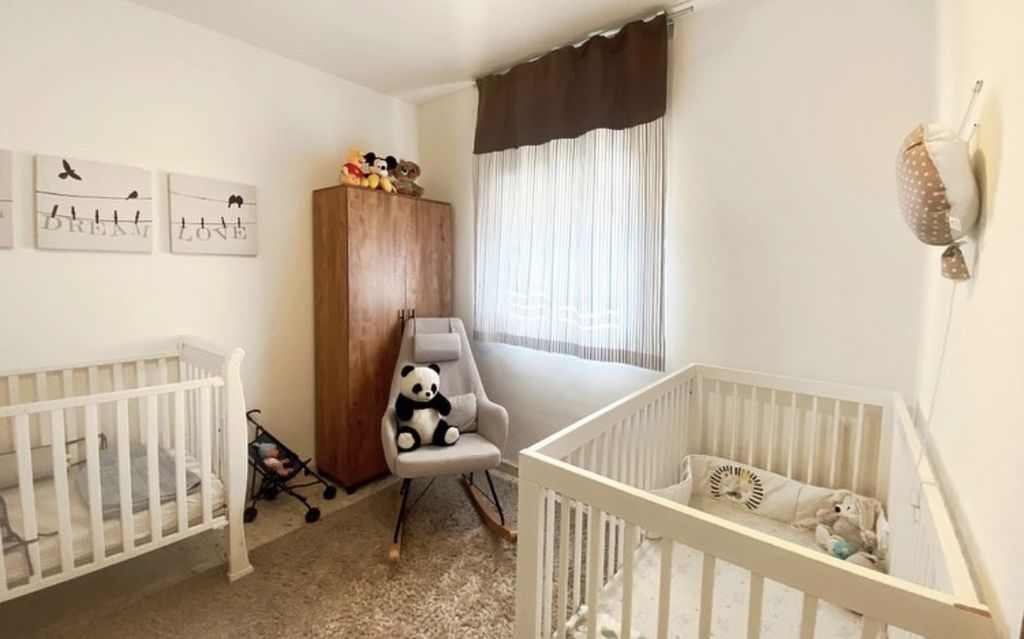
The homes of Hazit HaBayit are spread throughout Israel, from north to south.
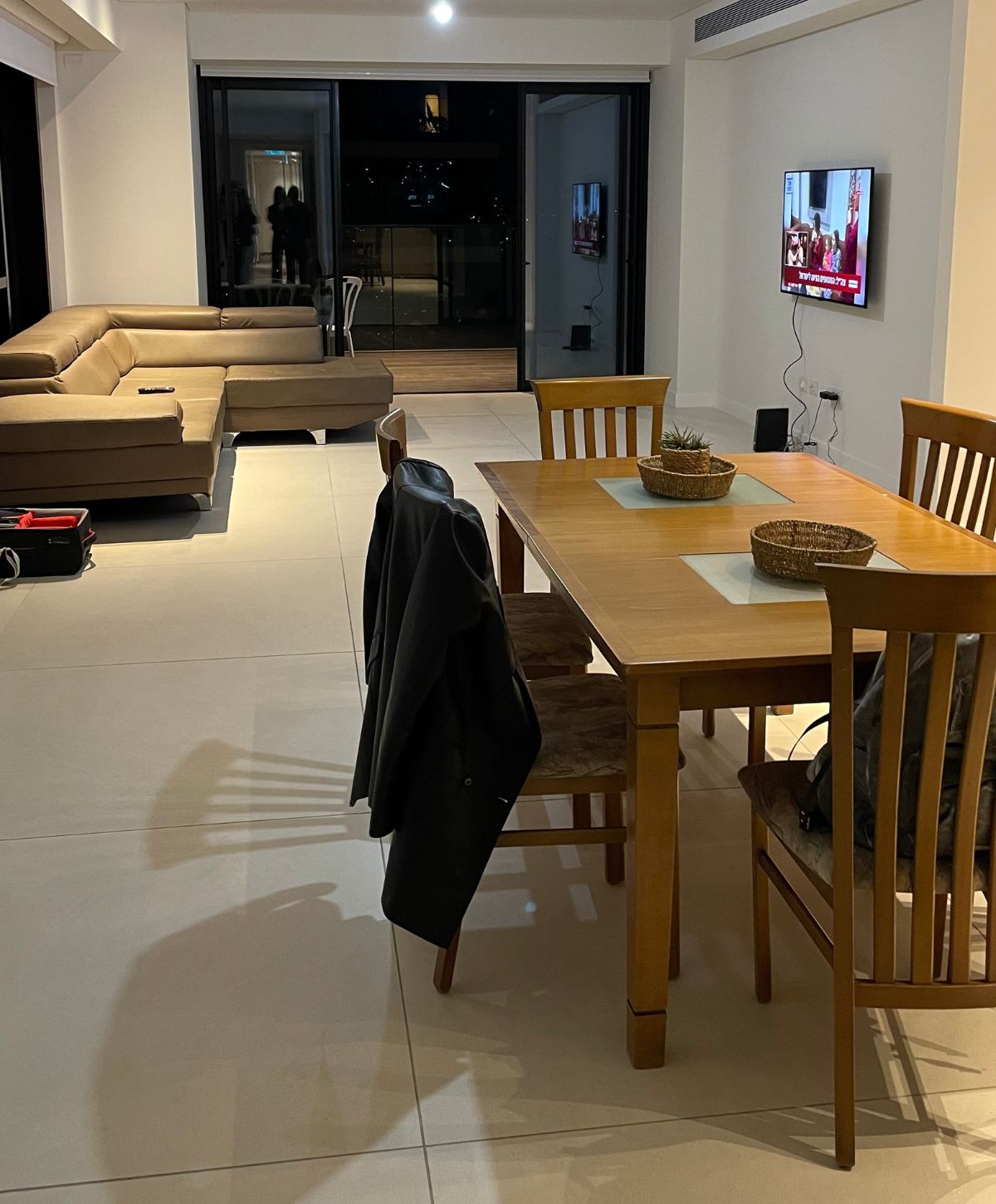
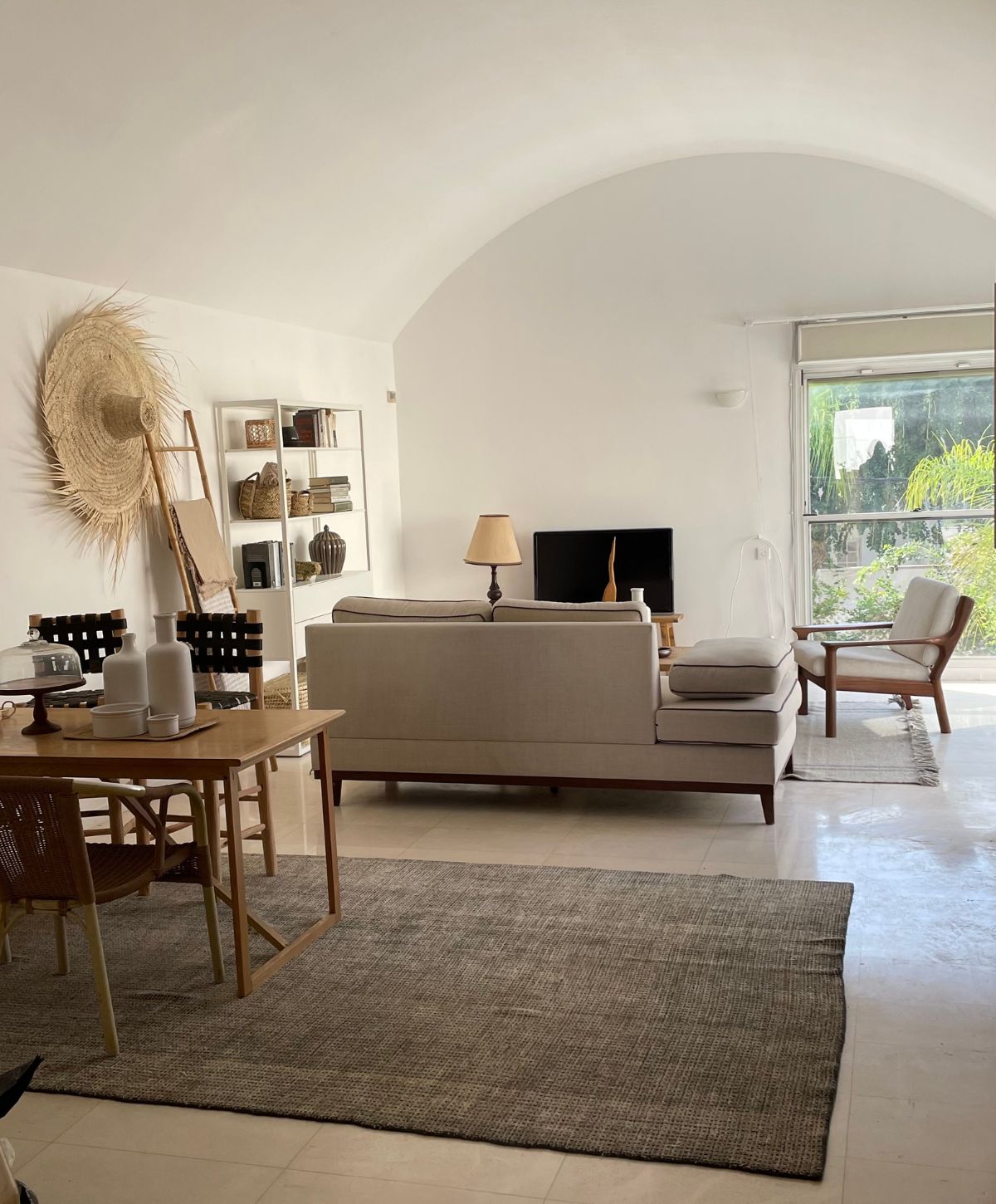
Most of them are temporary, makeshift homes – homes of evacuated families, displaced families, hostages’ families, wounded soldiers, and bereaved families.
They are all families of the people of Israel, and the people of Israel embrace them with love.
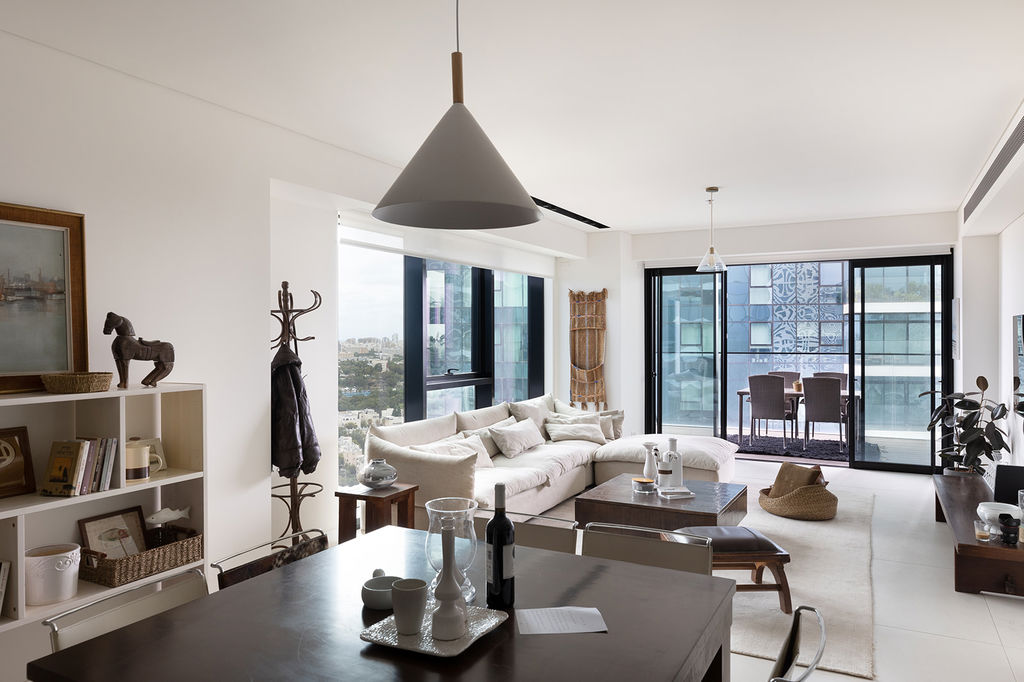
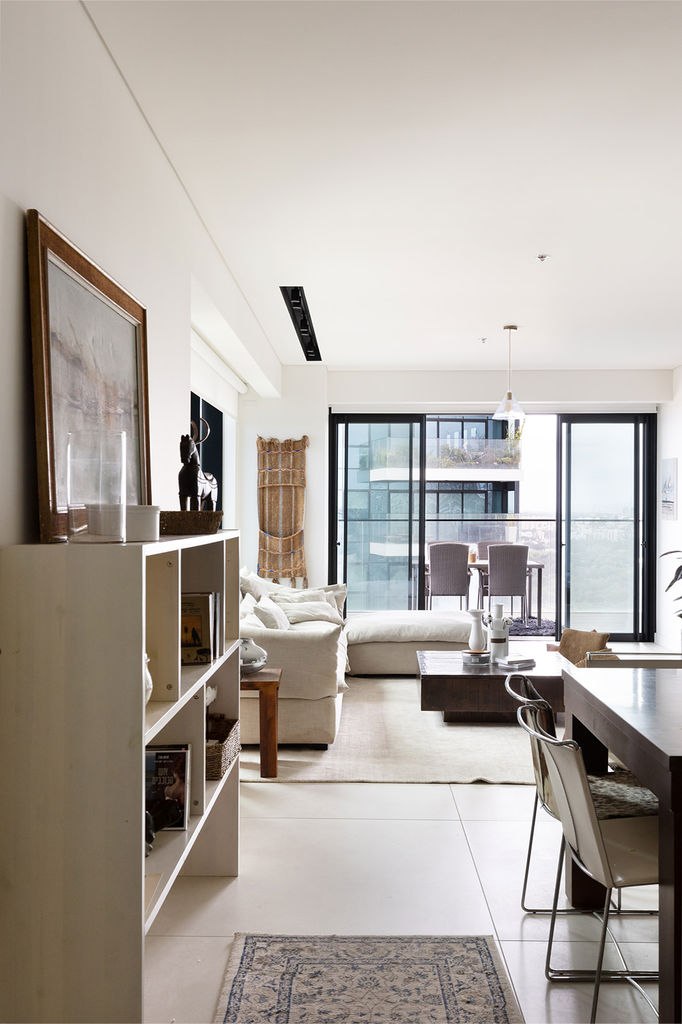
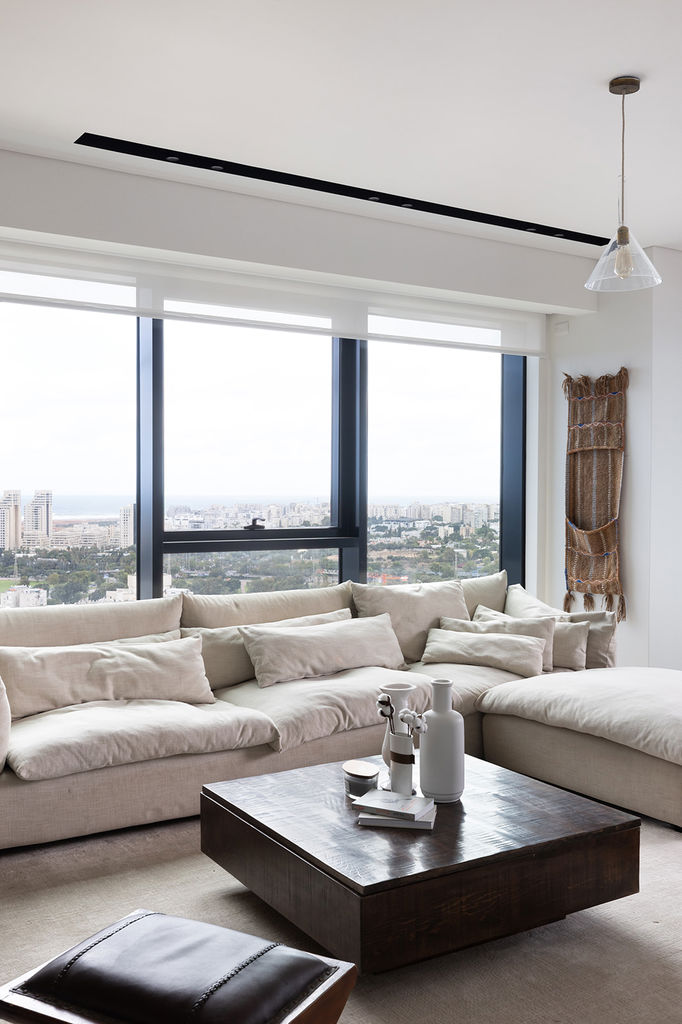
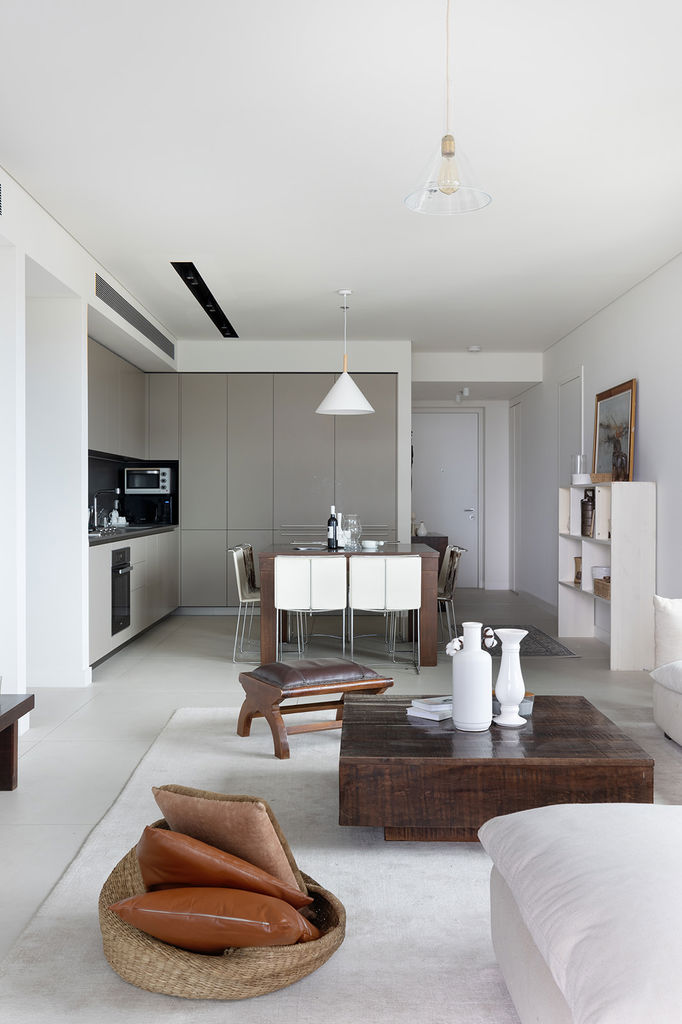
The design of these homes is carried out from a clear standpoint: You are not alone; an entire nation surrounds you with love.
Home design serves as a tool for embracing and conveying a message, a tool for strengthening personal, couple, family, and community resilience.
It is an expression of love and support.
We are all in this story together.
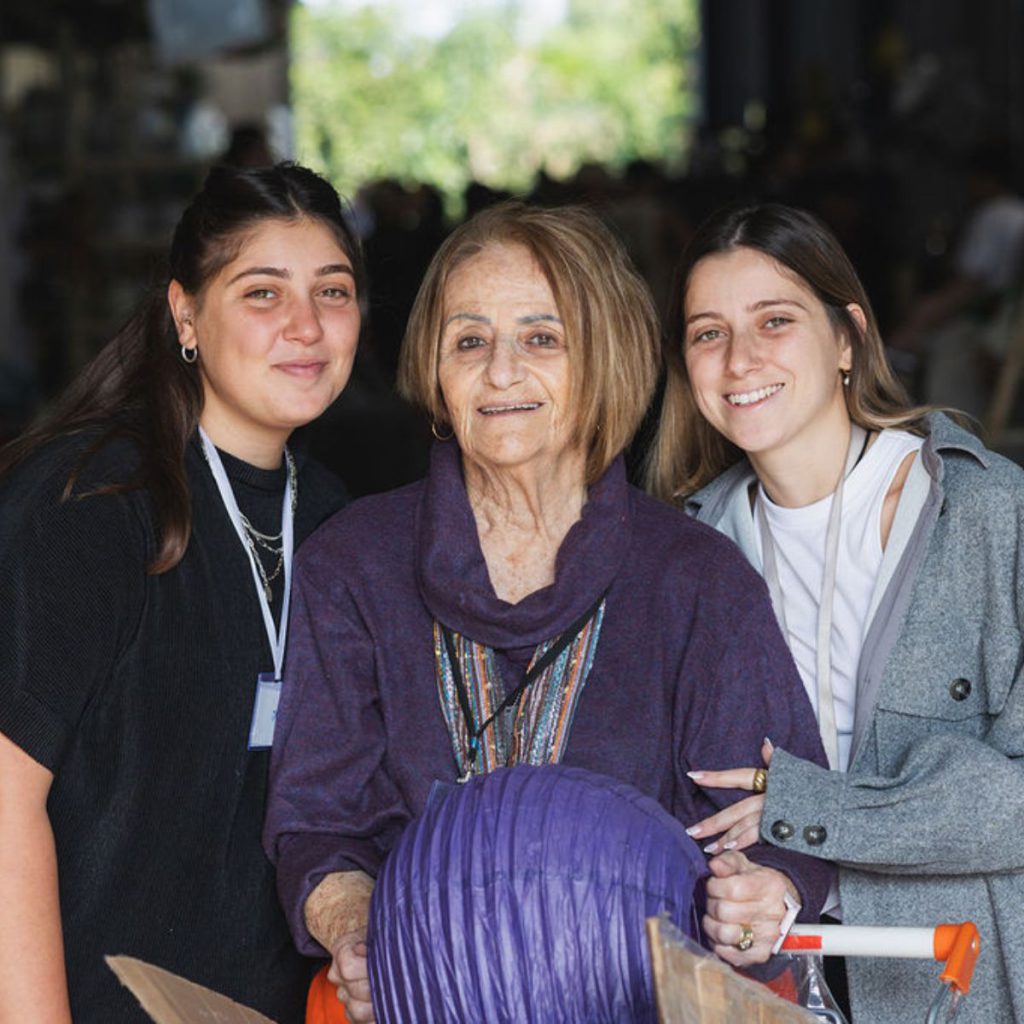
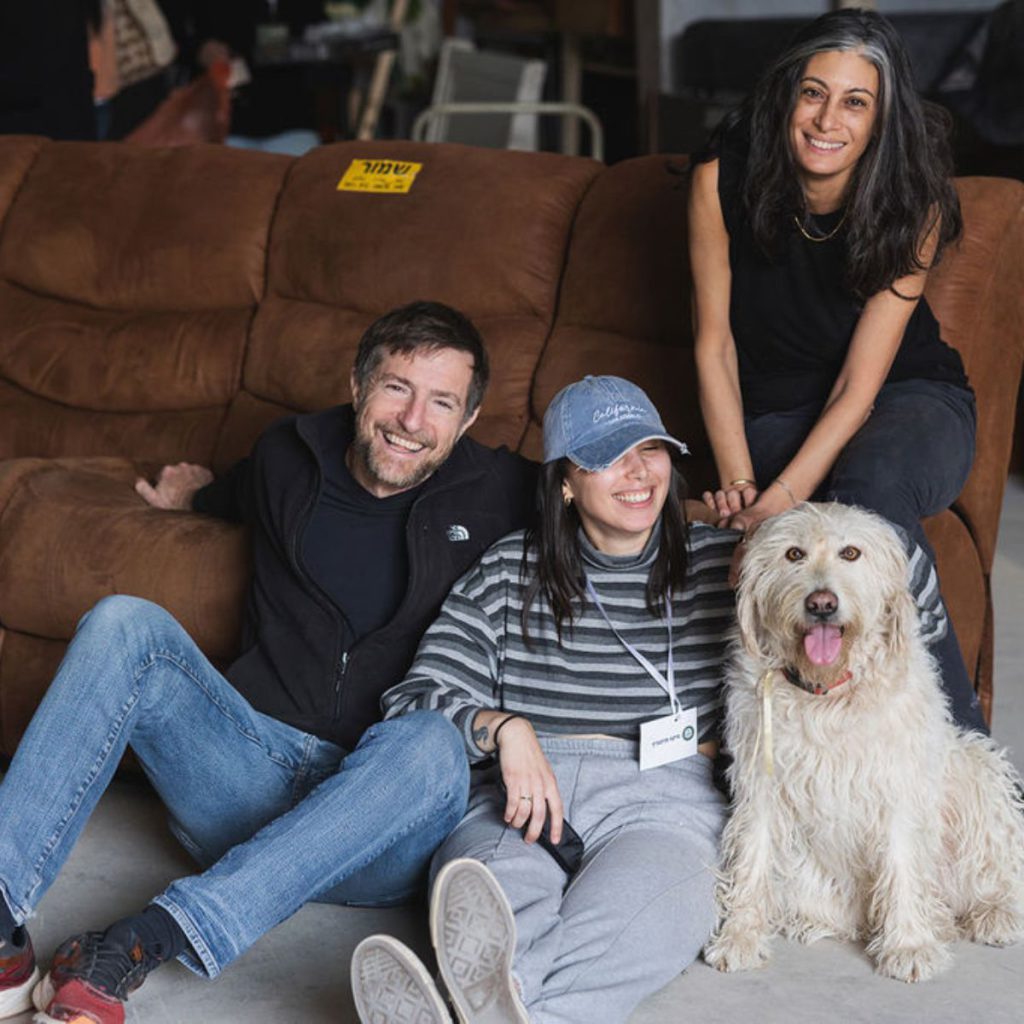
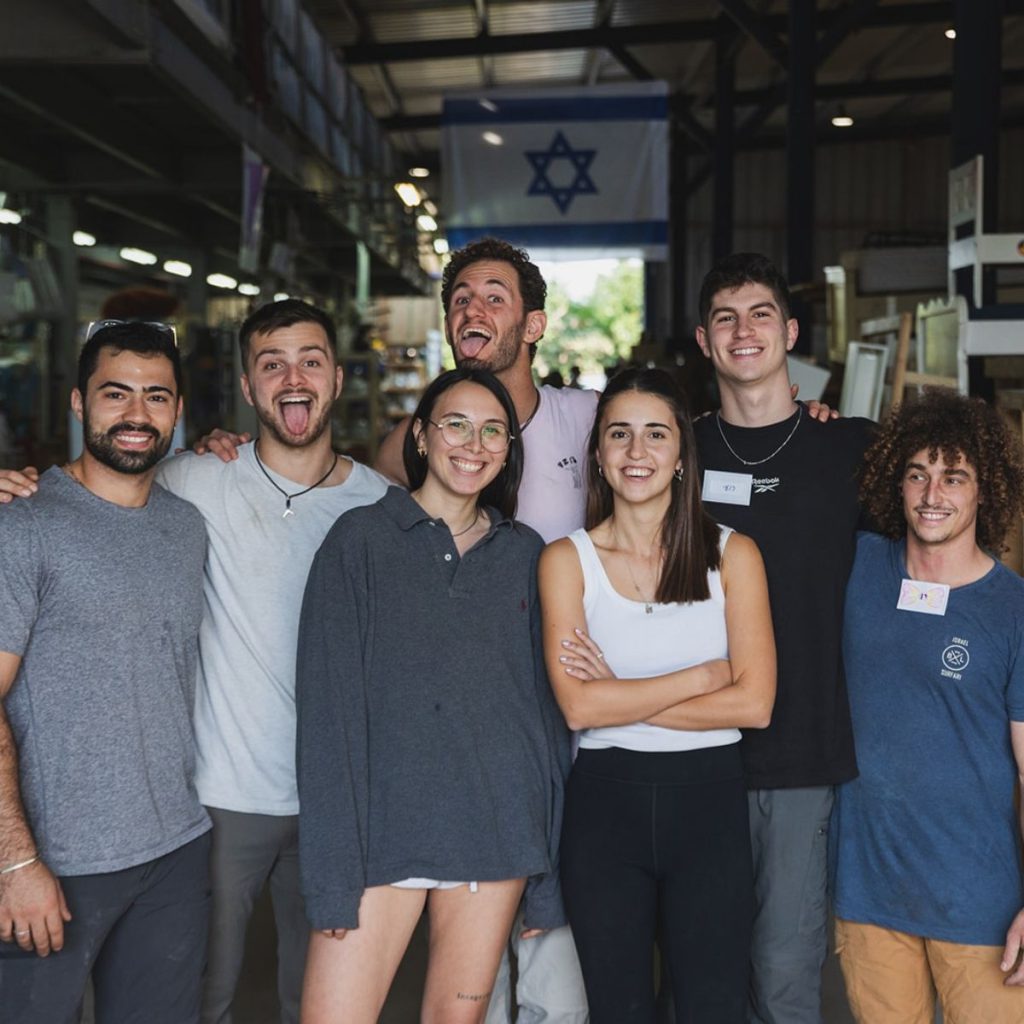
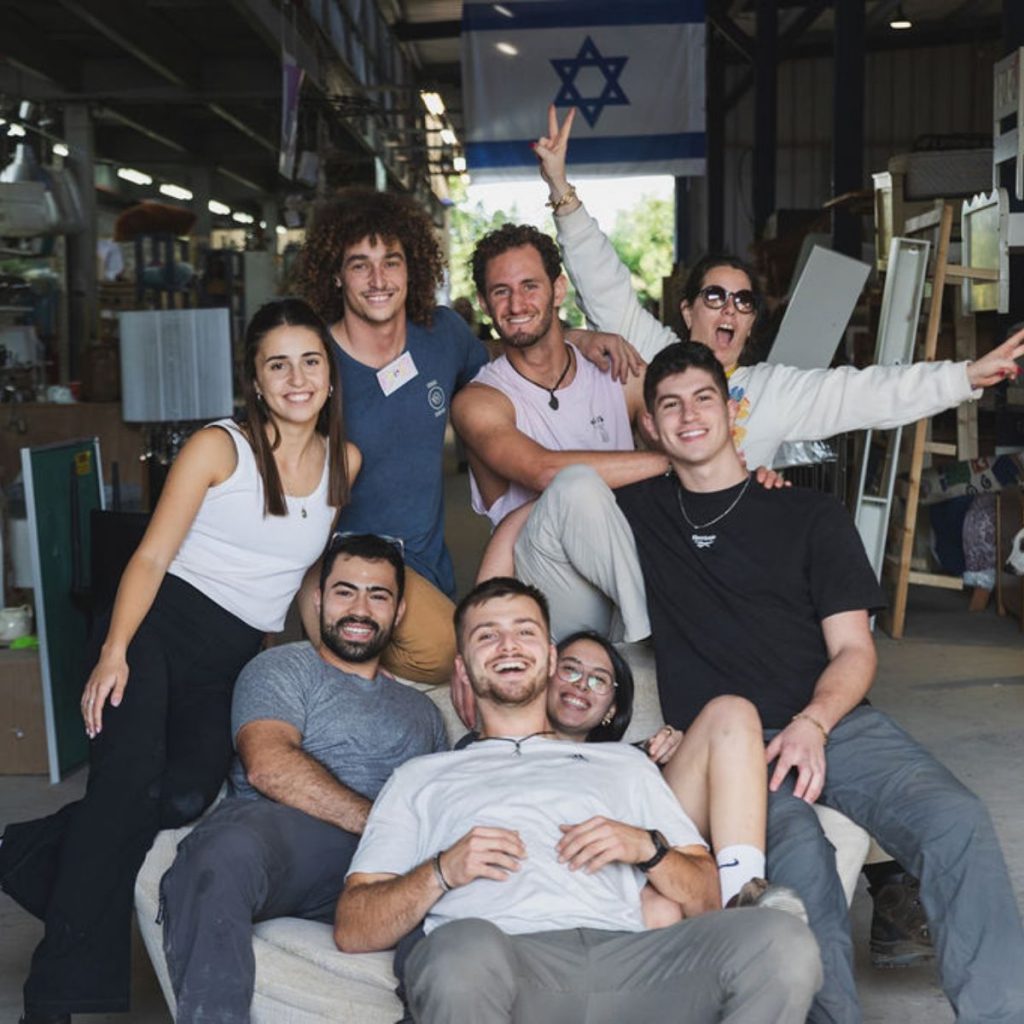
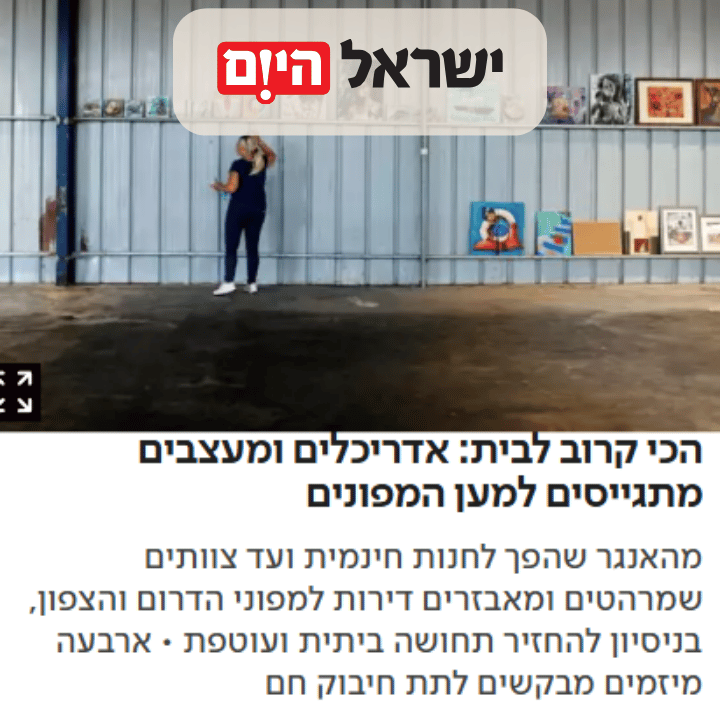
Hundreds of Hazit HaBayit designers volunteered to design temporary homes for evacuated families, out of a sense of mission and belief in the power of home design.
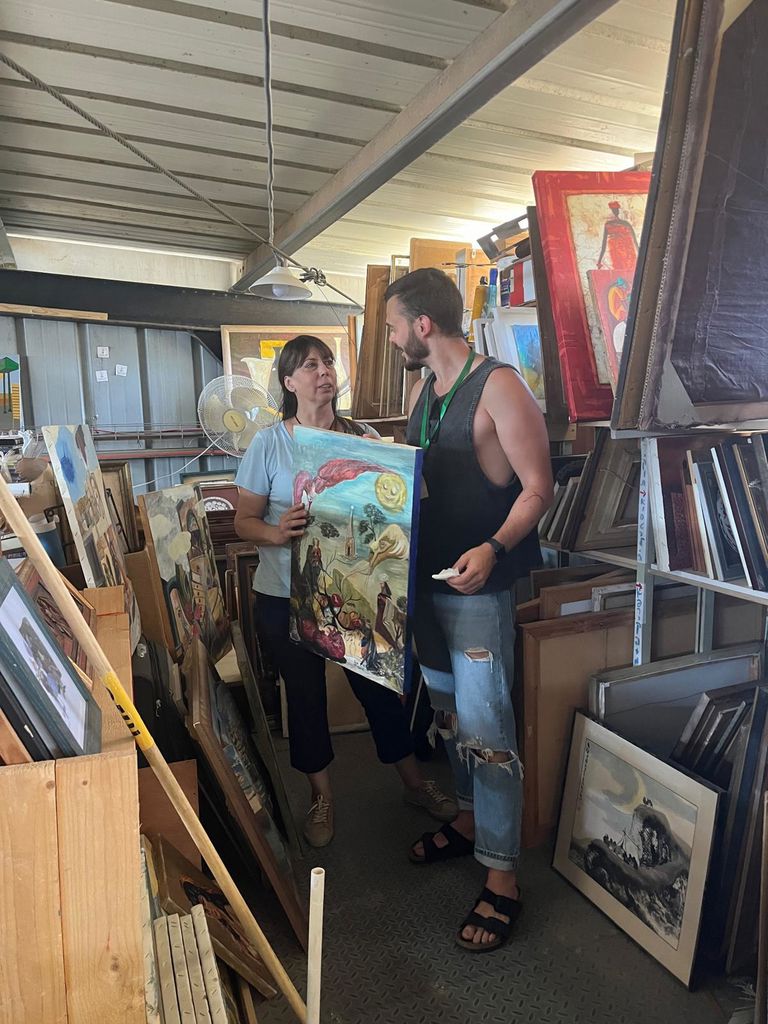
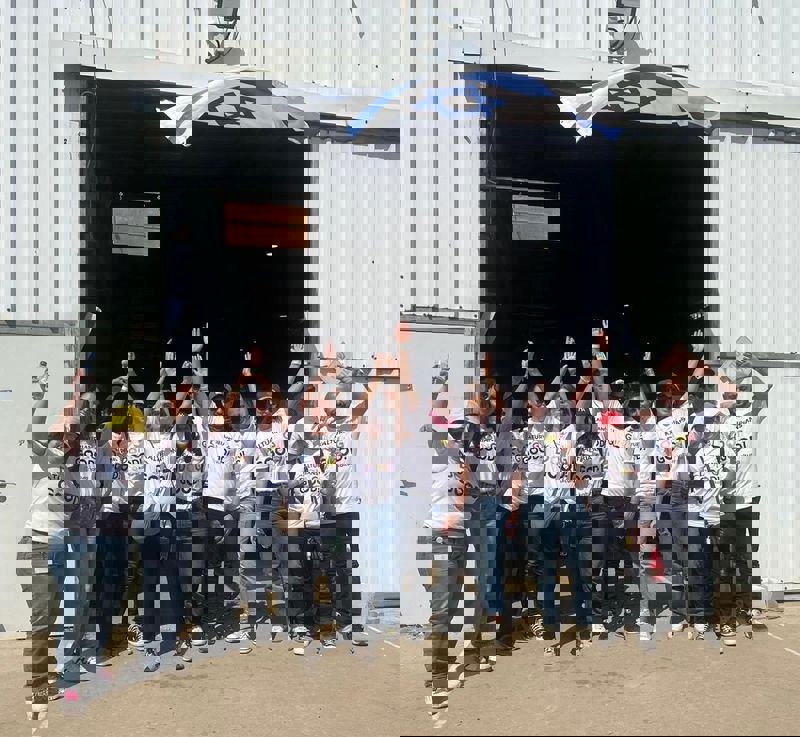
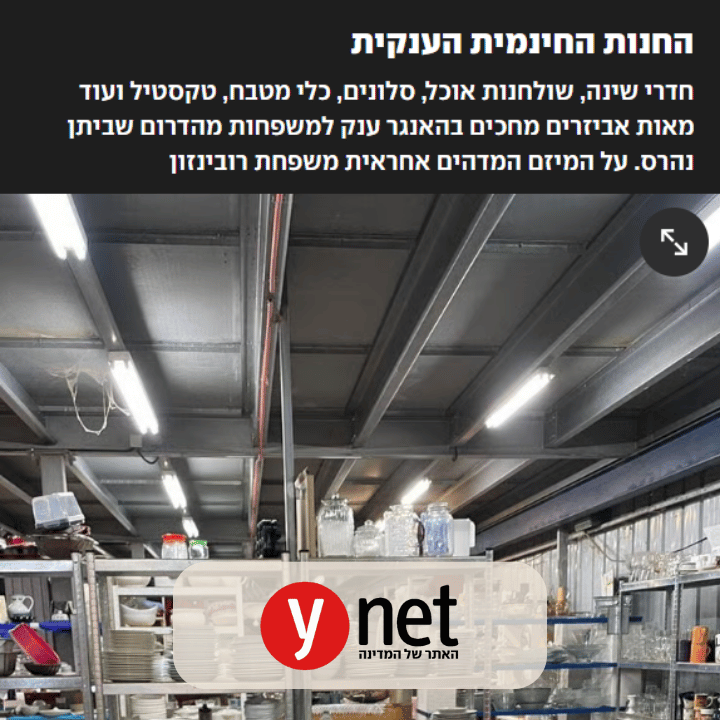
The designers mobilized during the war and, together with the volunteers of the Hazit HaBayit hangar, worked day and night to help displaced families feel a sense of home once again.
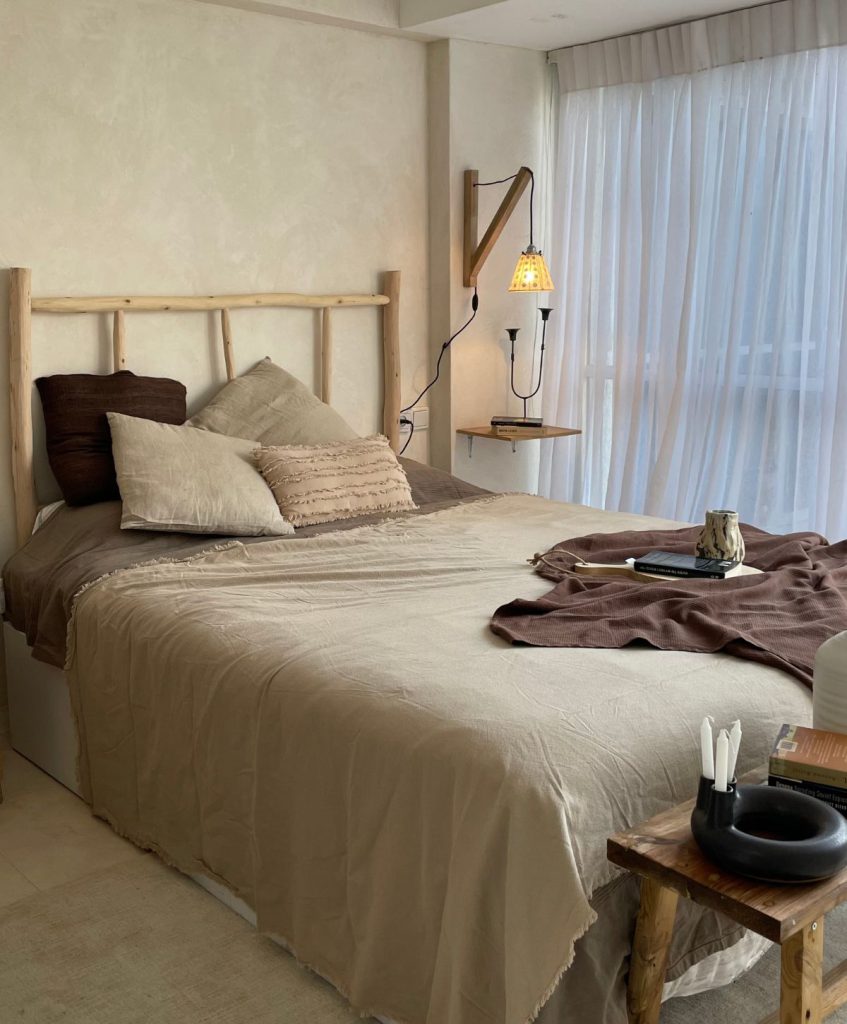
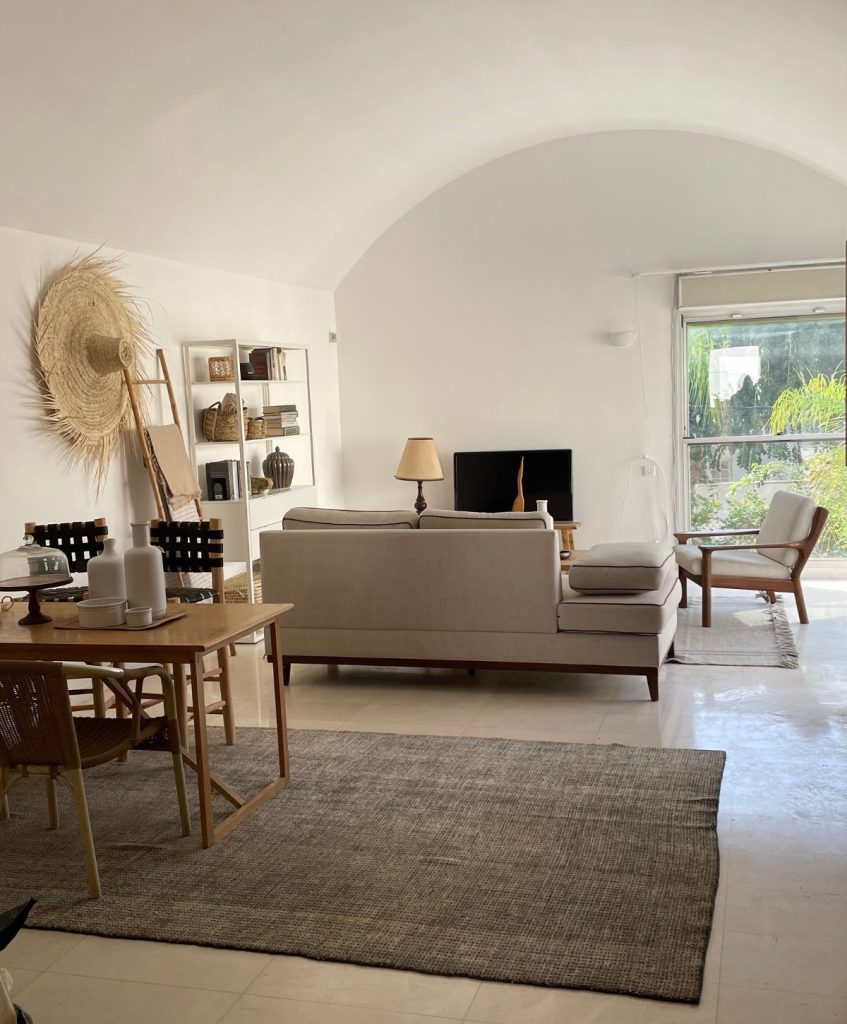
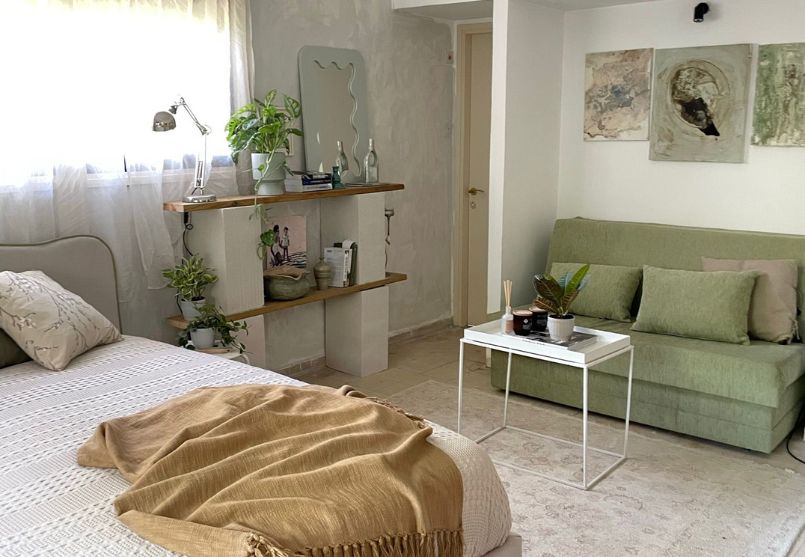
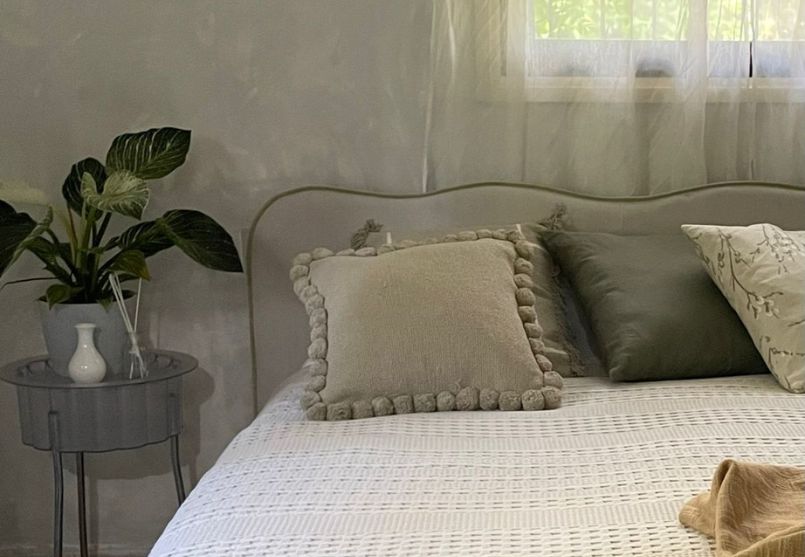
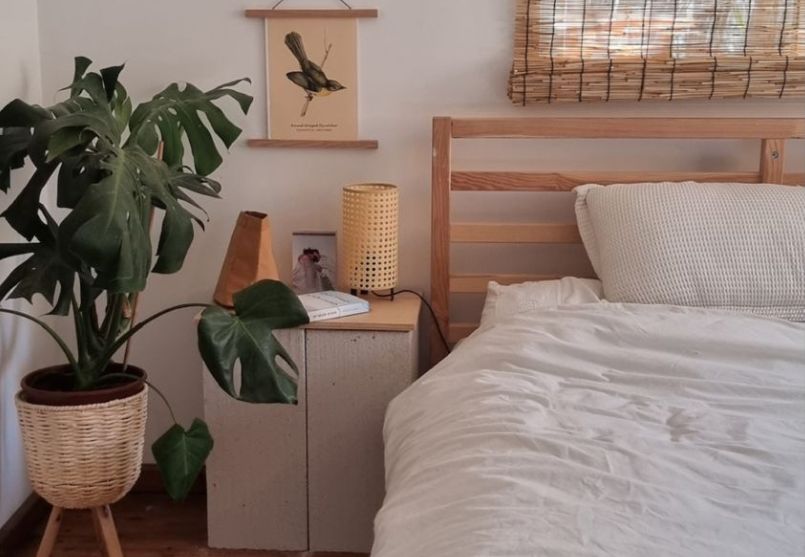
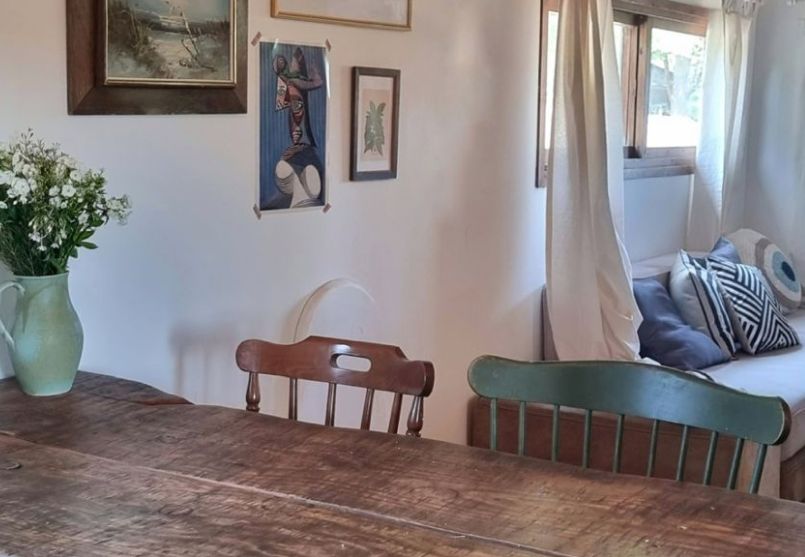
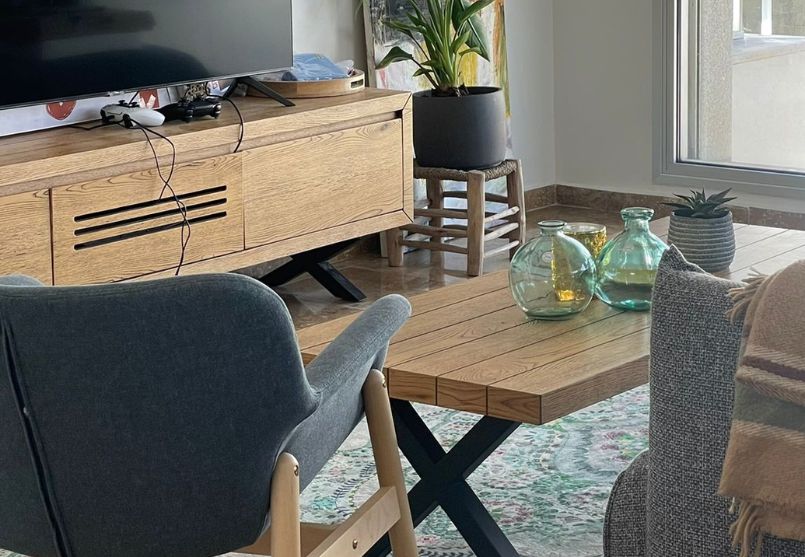
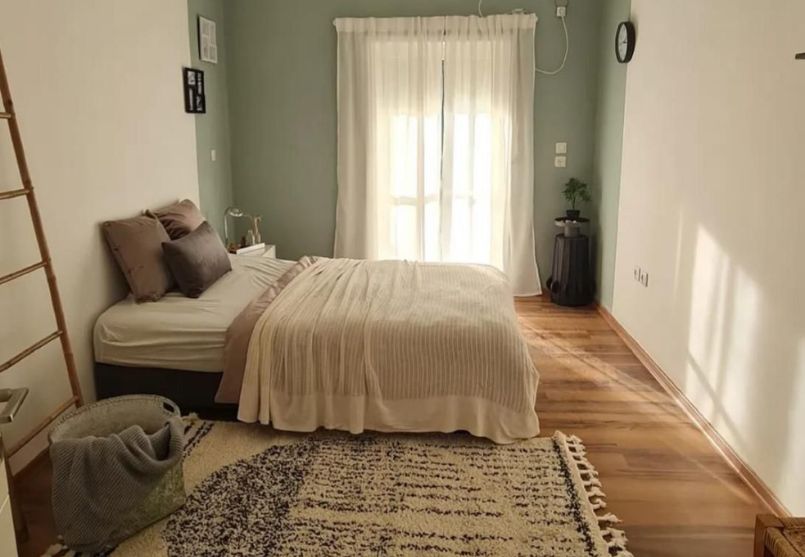
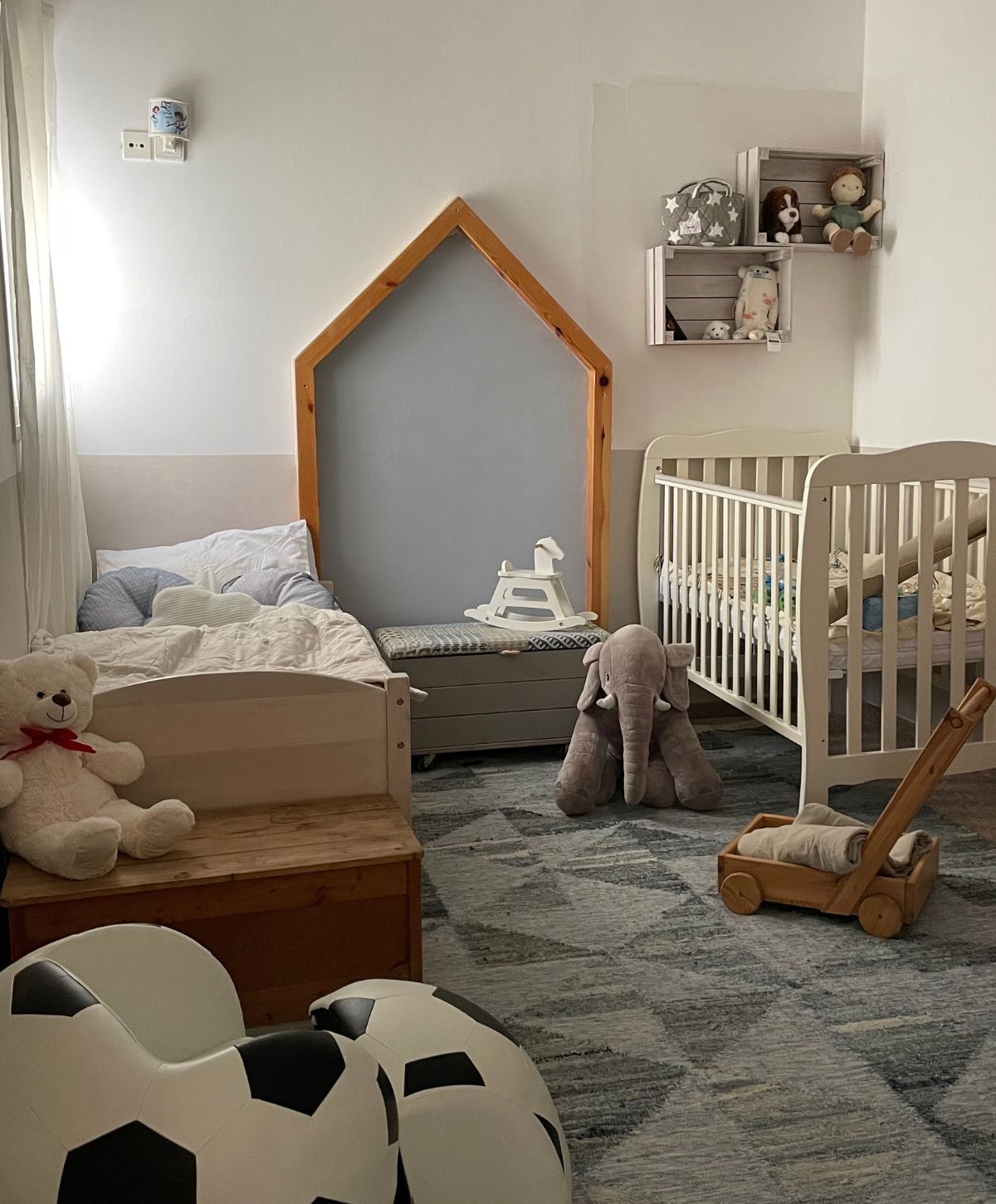
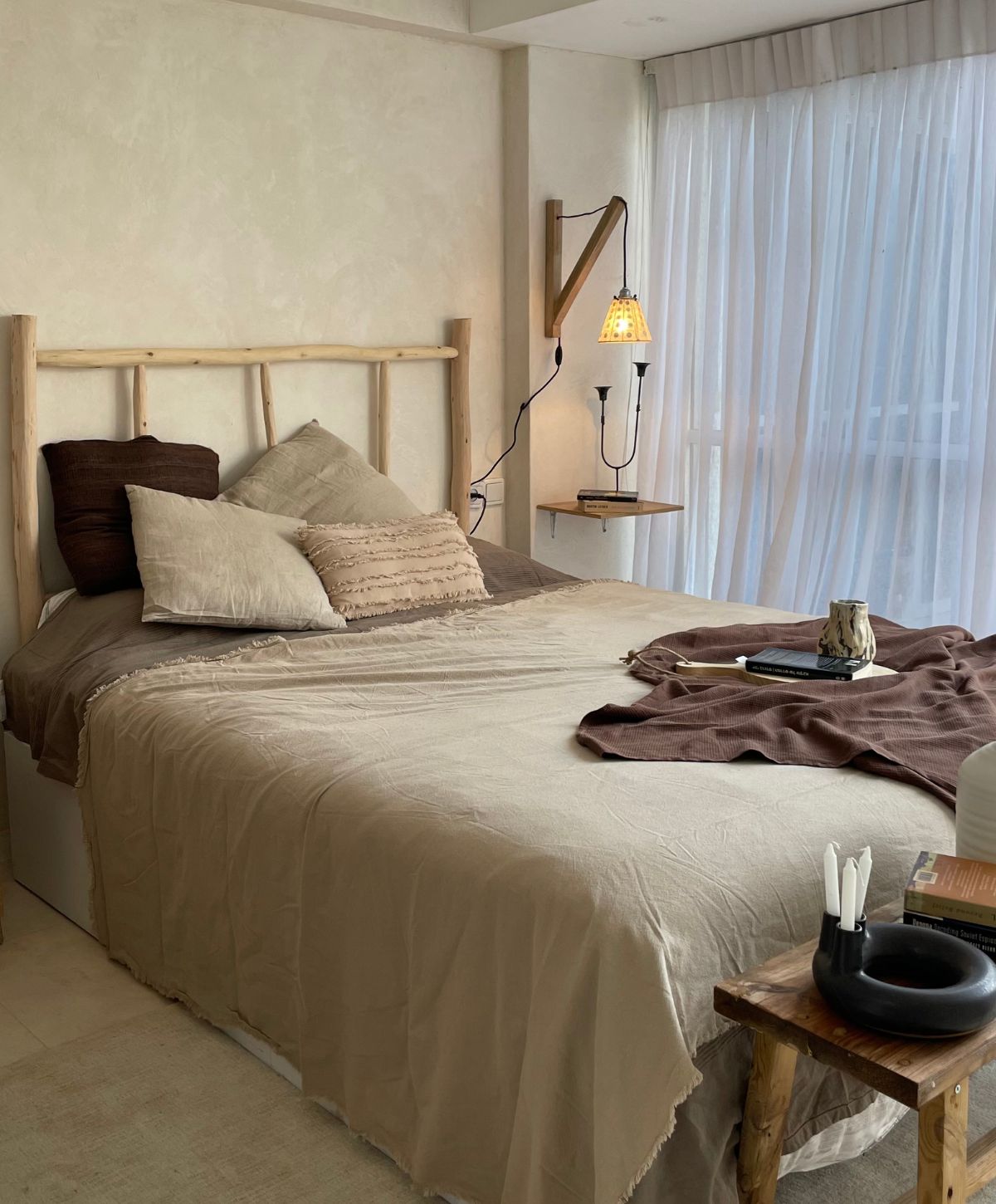
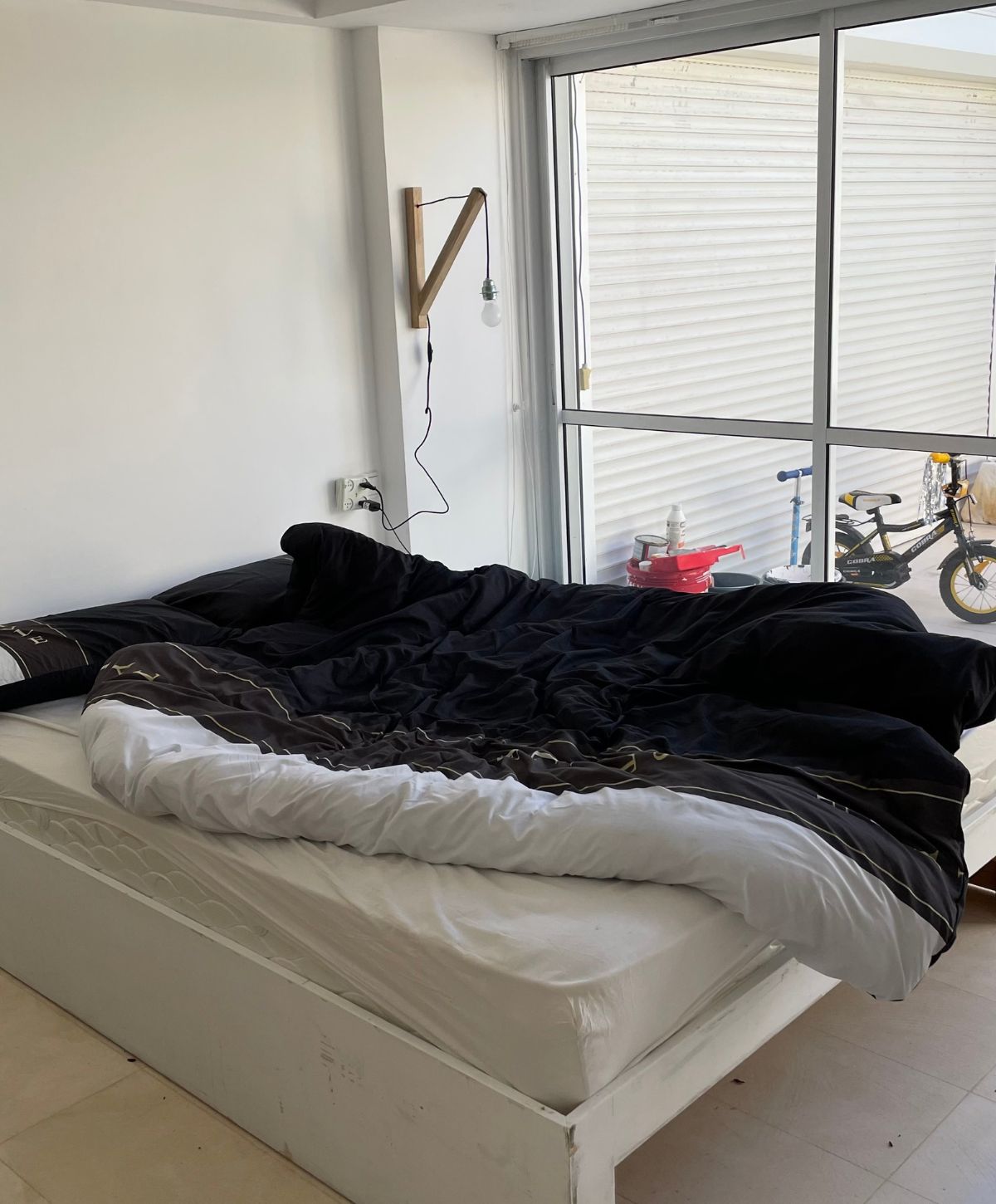
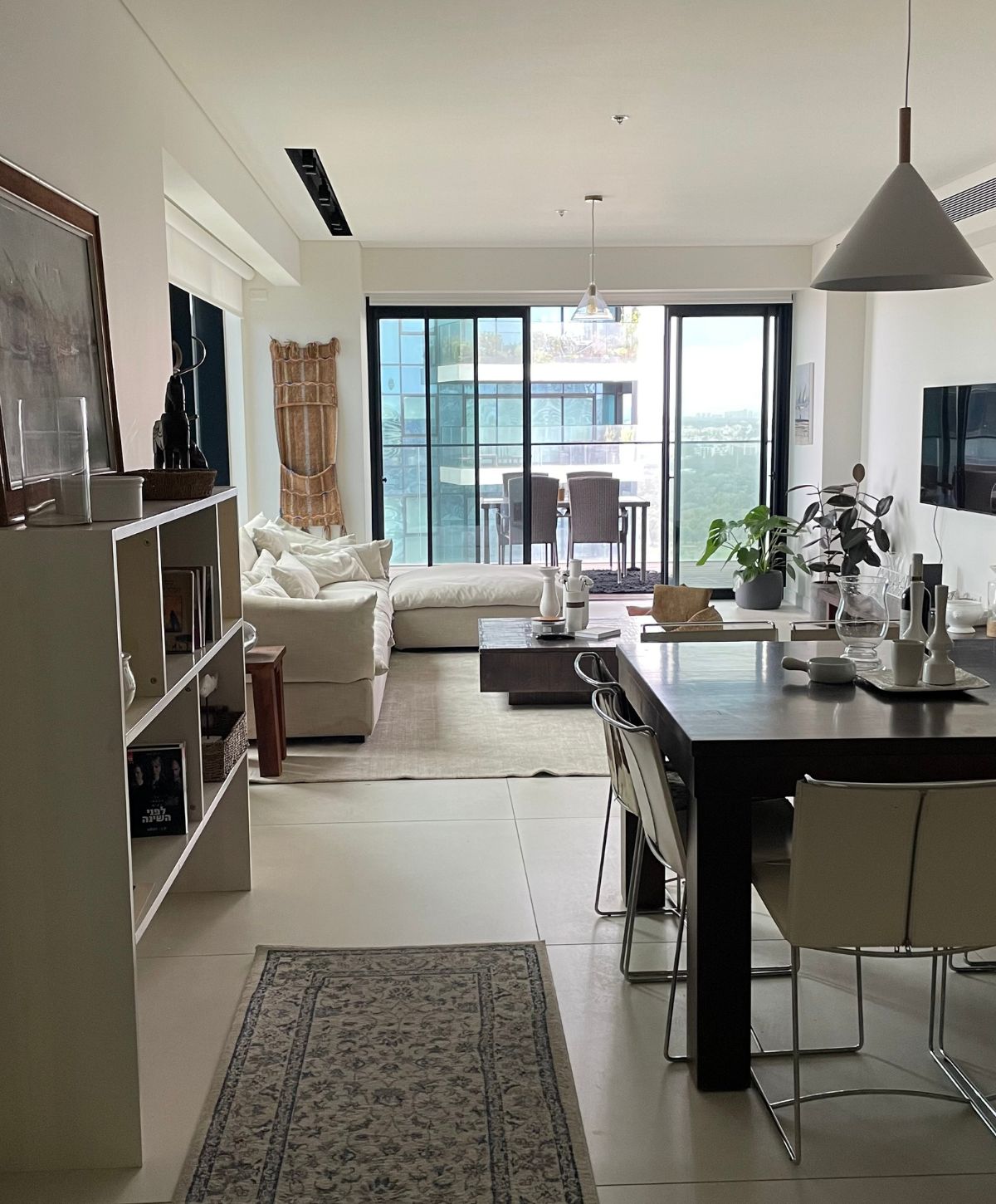
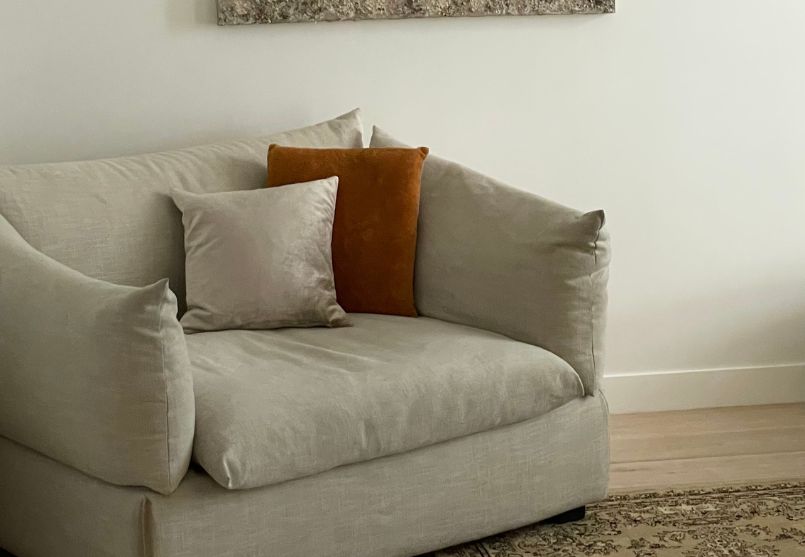
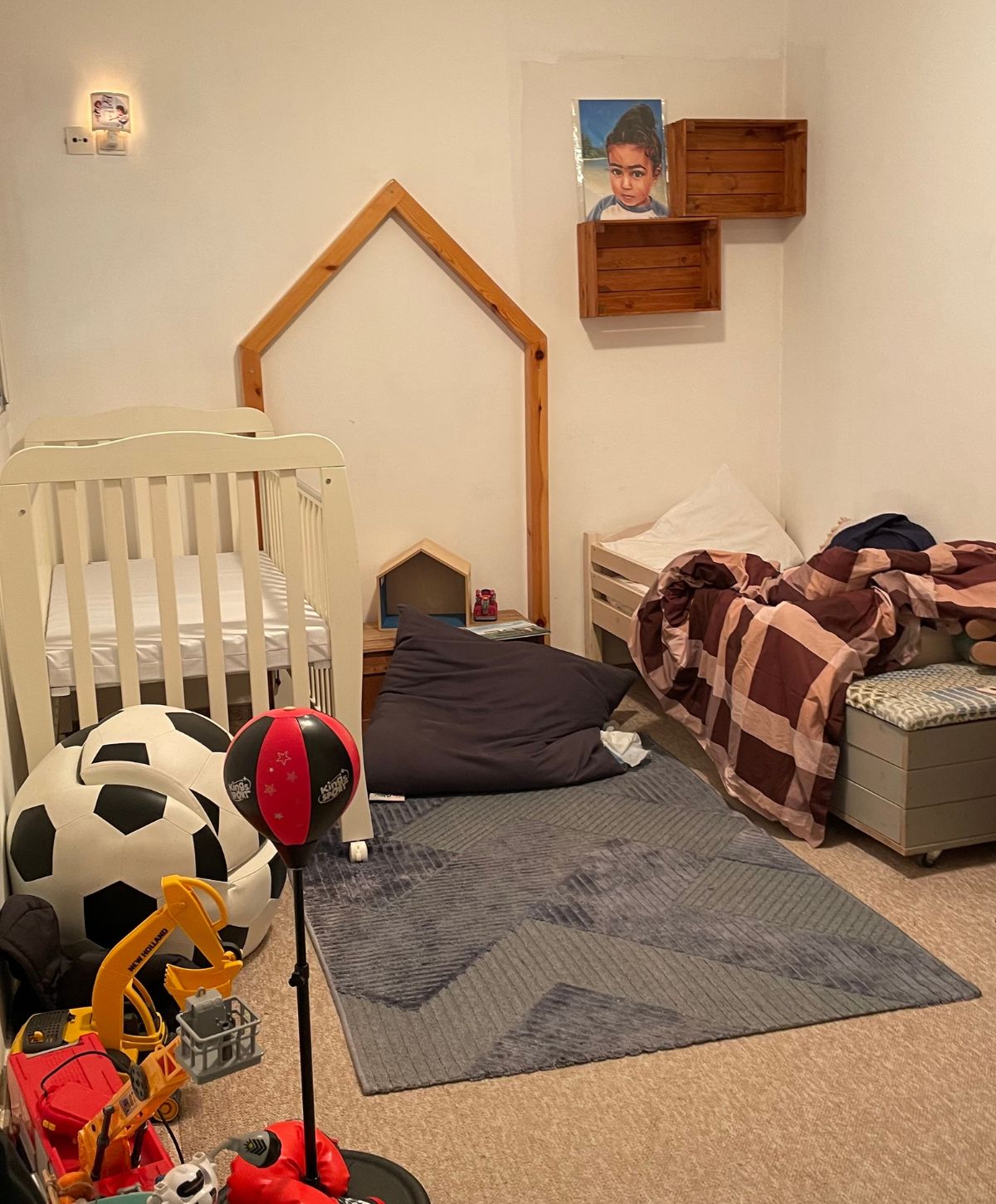
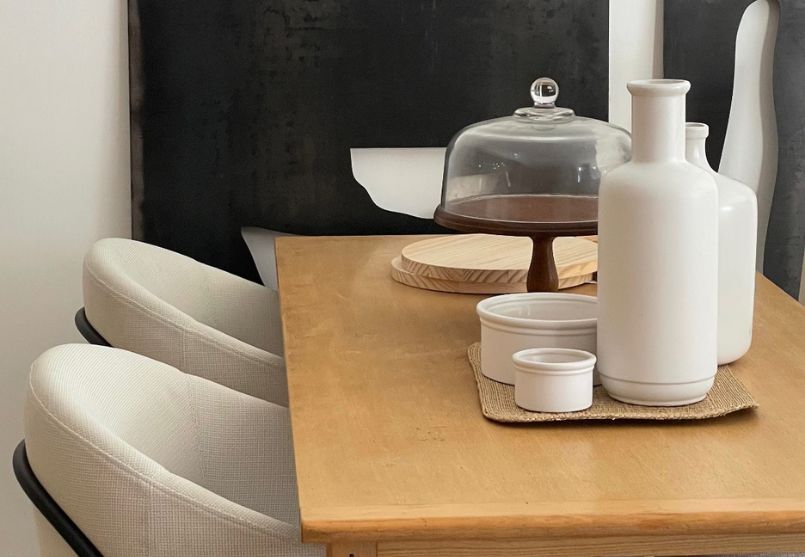
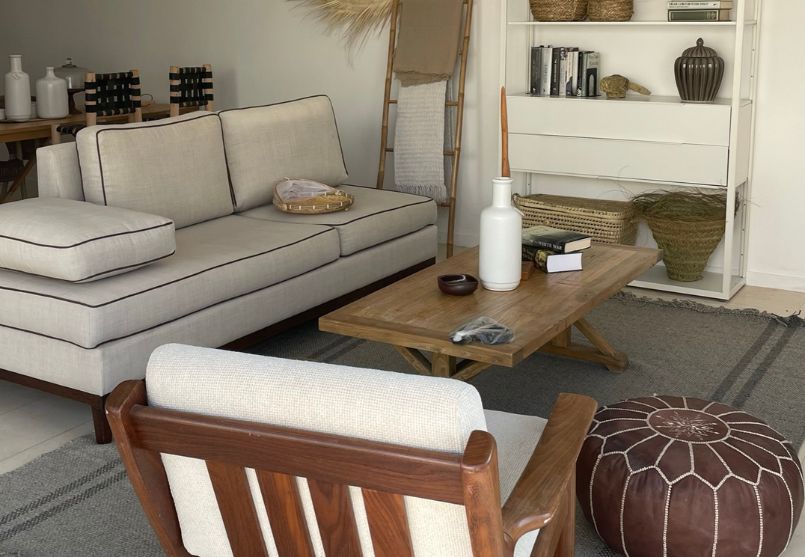
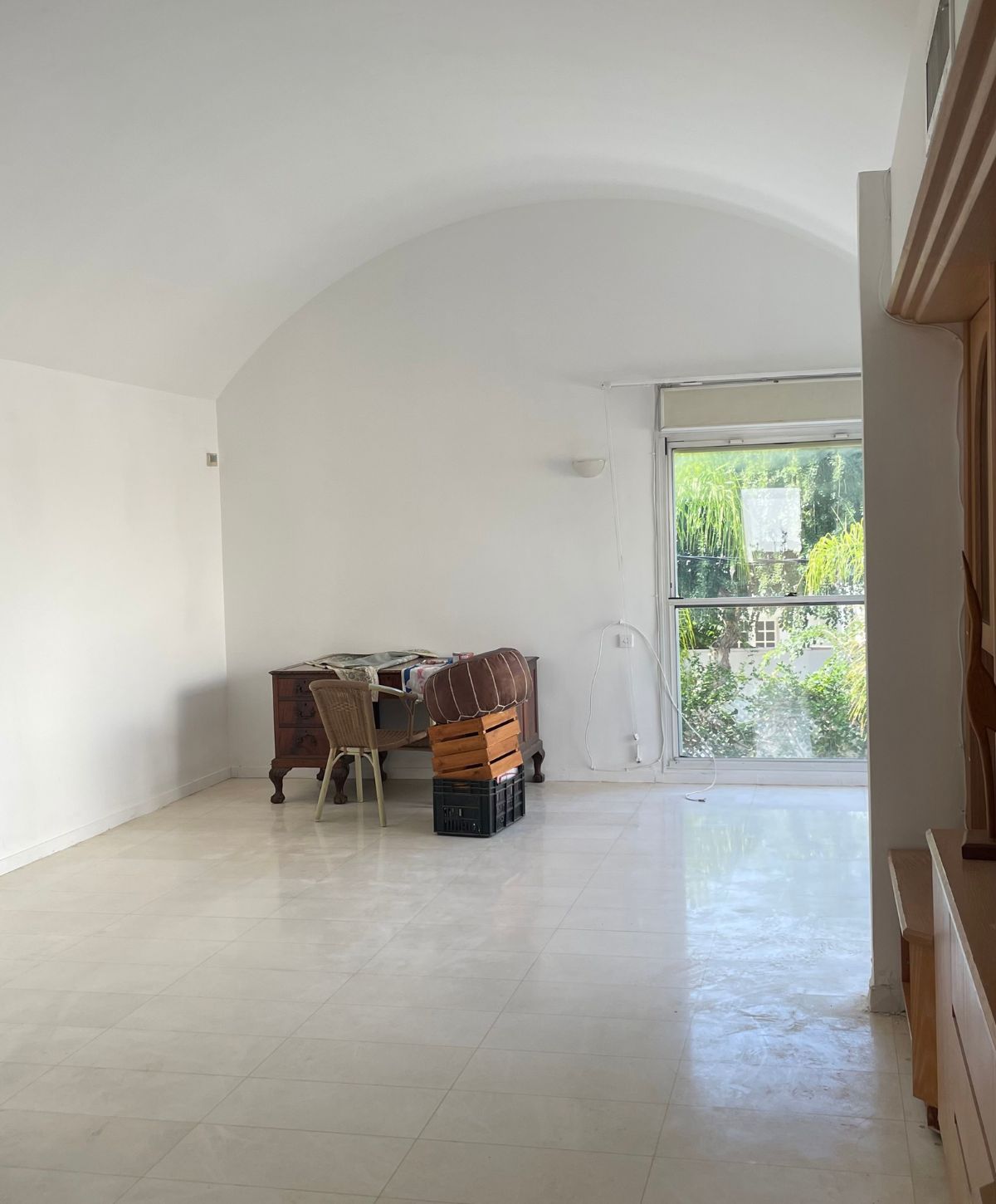
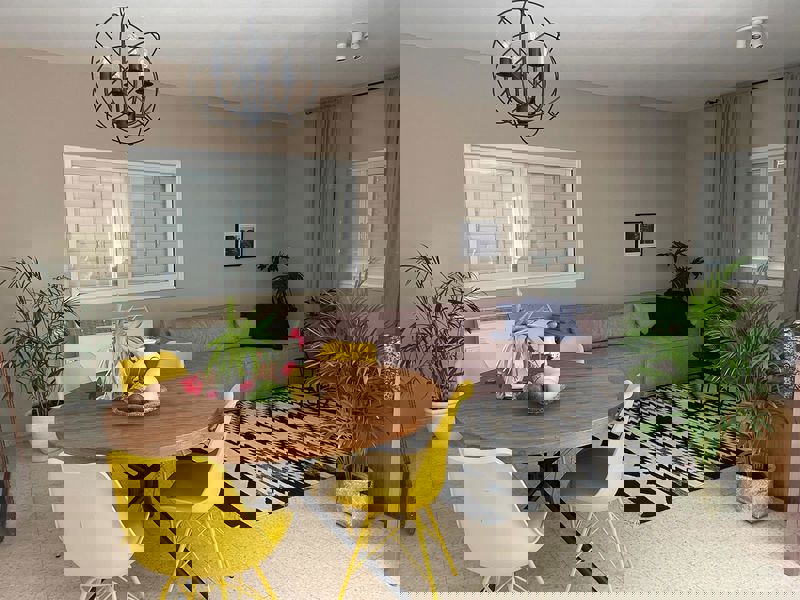
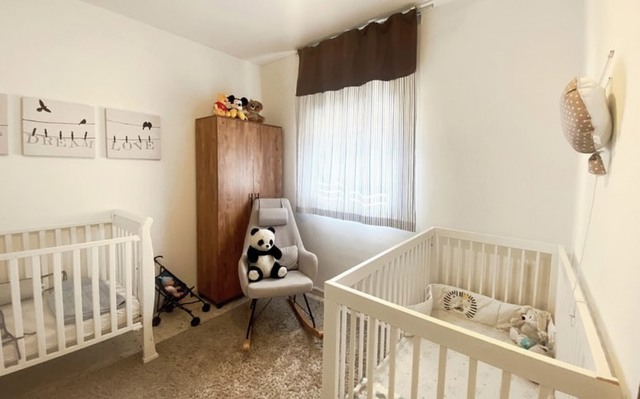
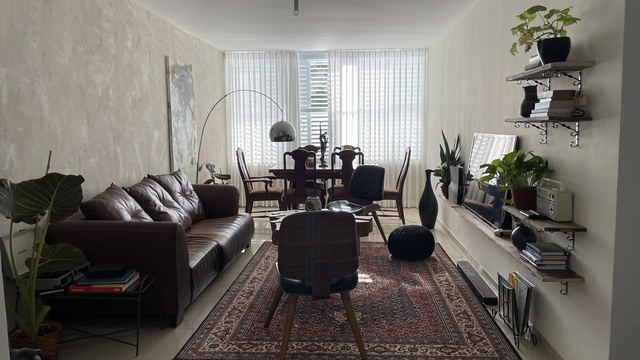
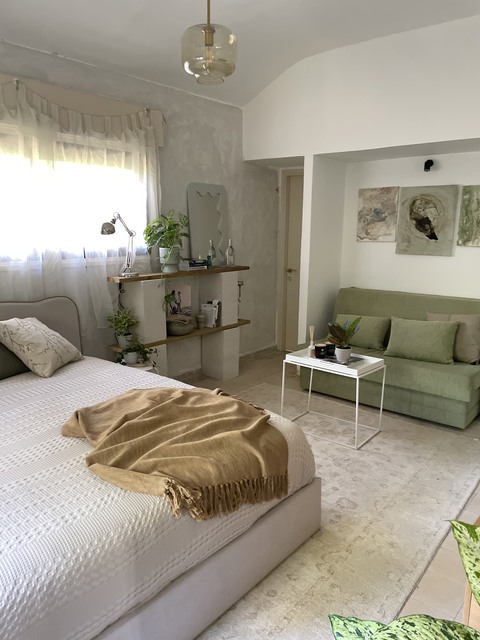
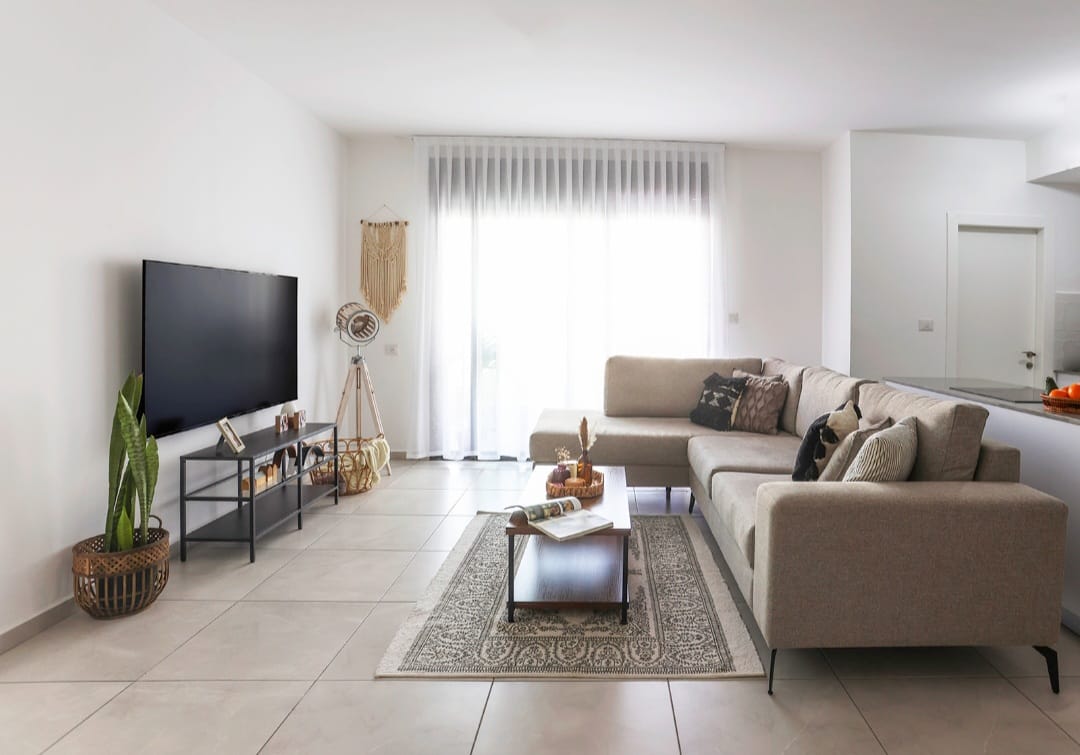
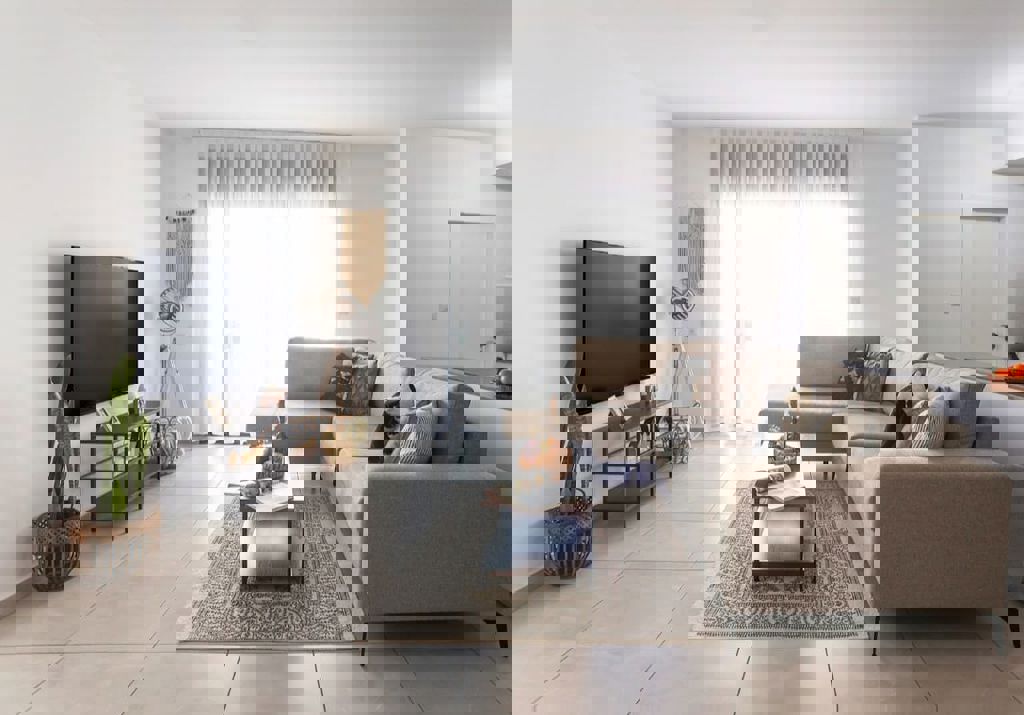
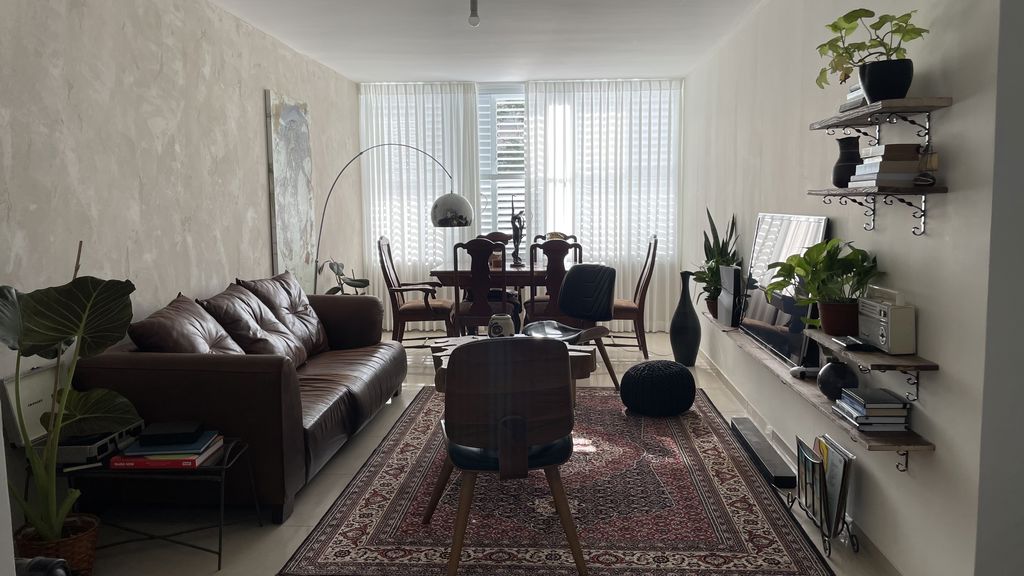
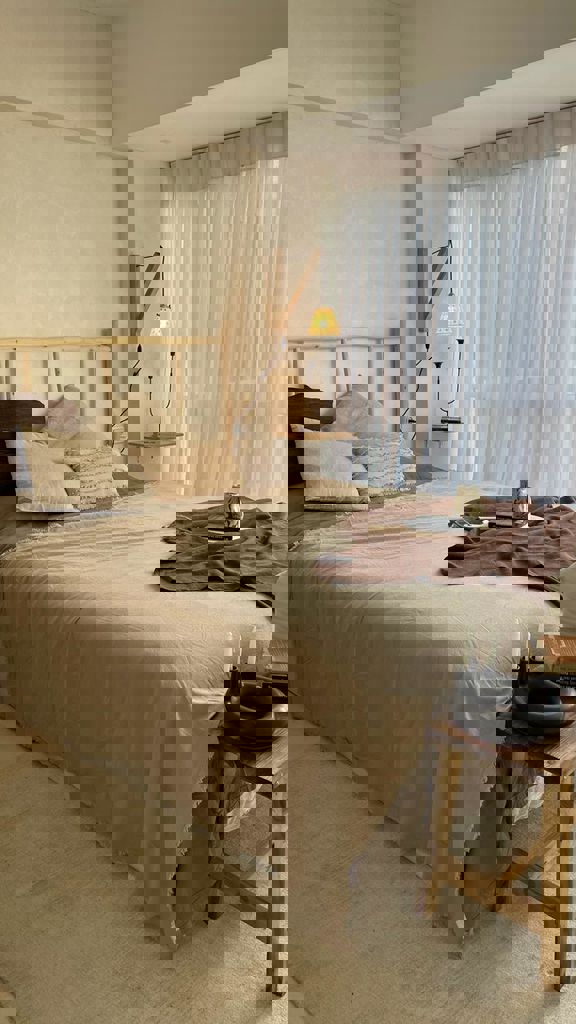
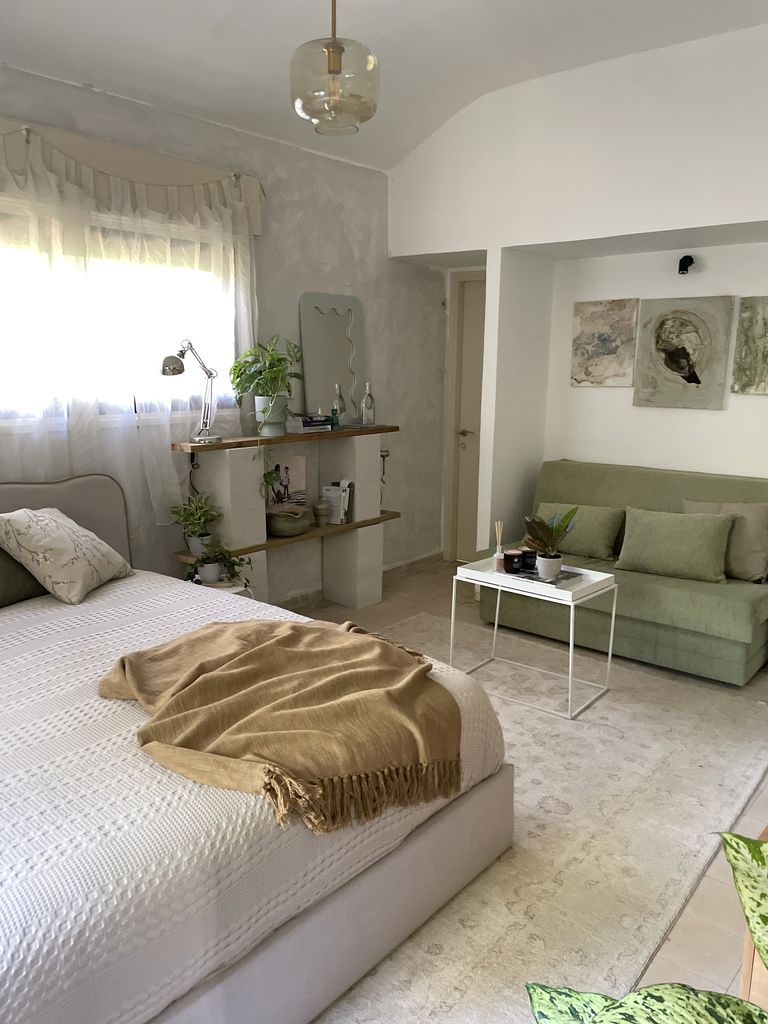
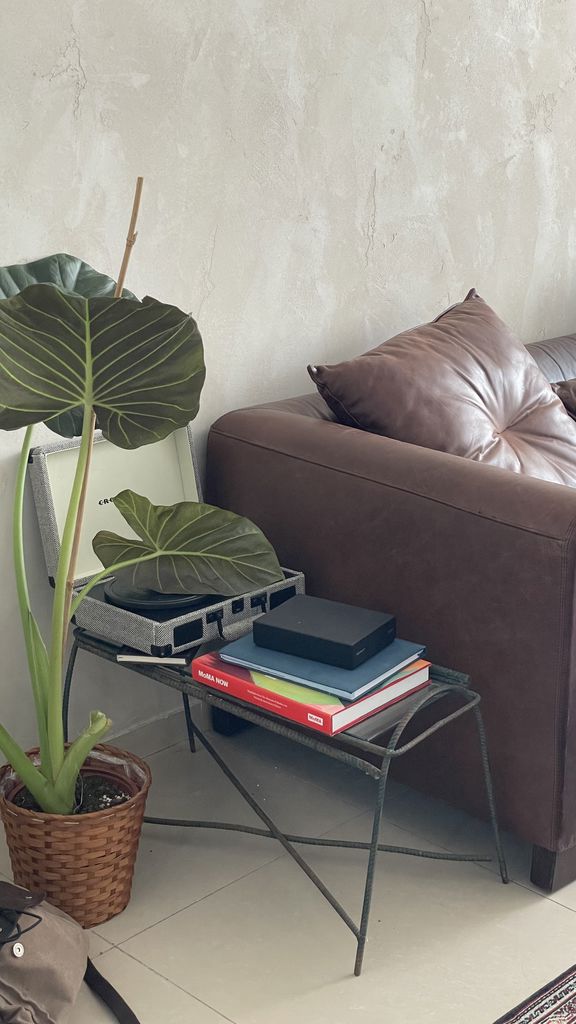
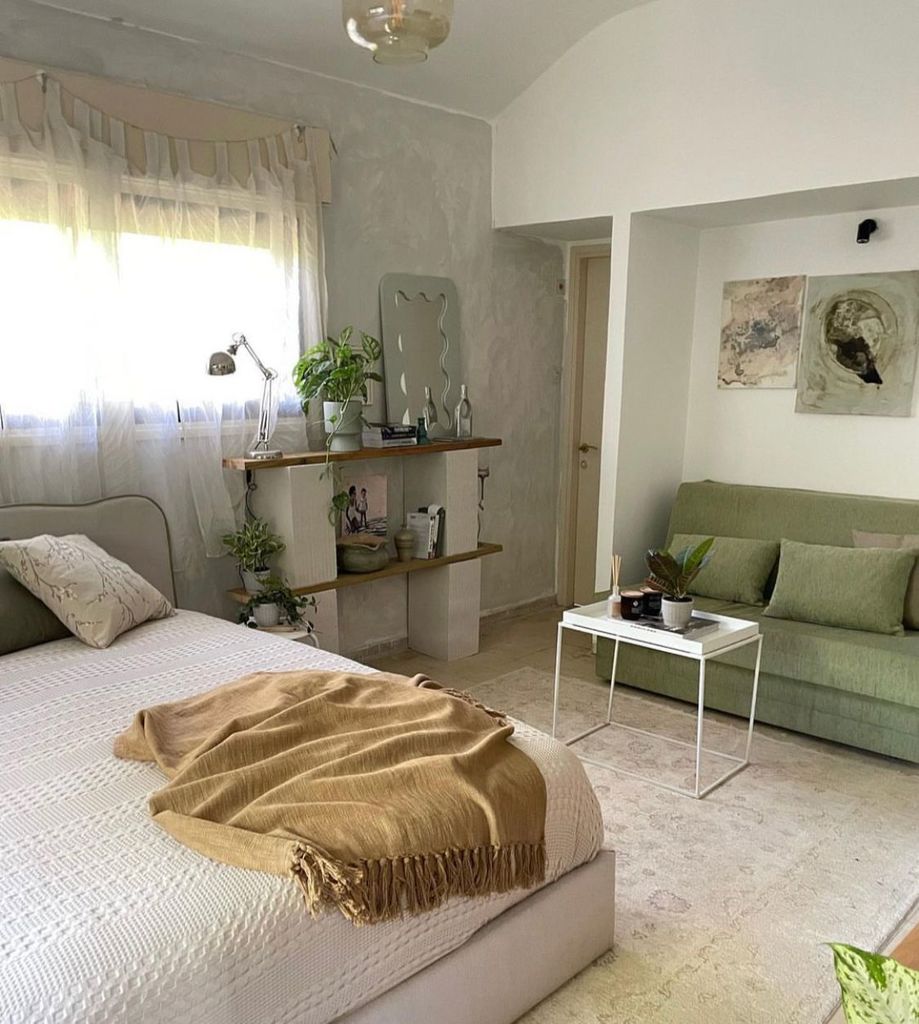
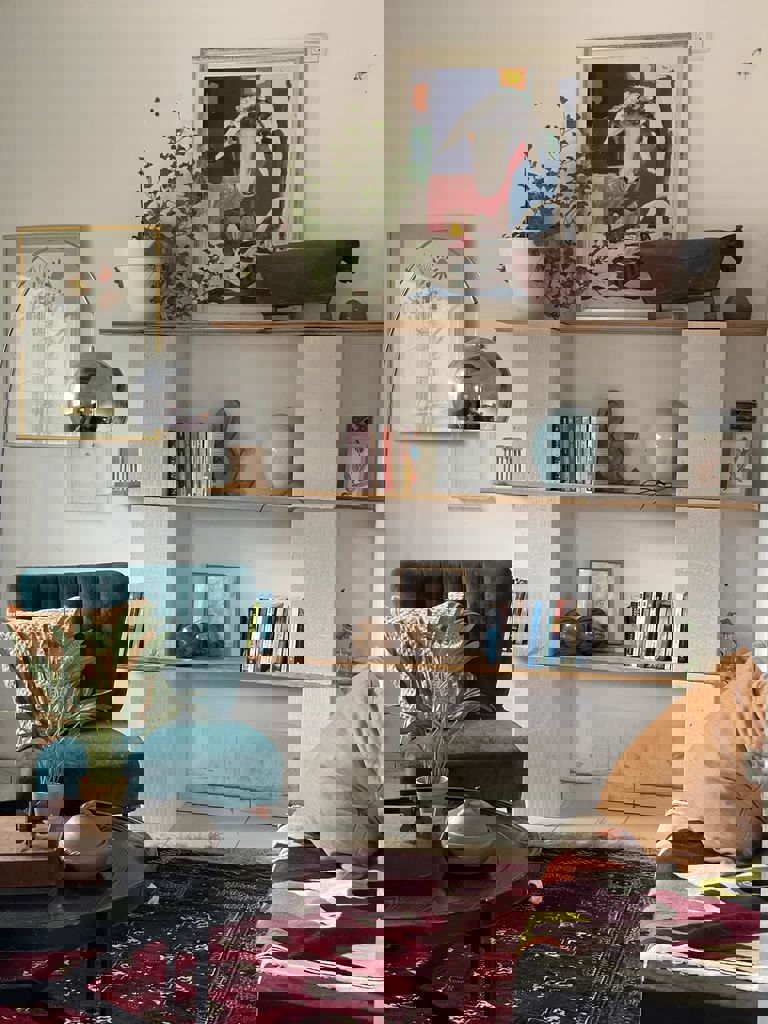
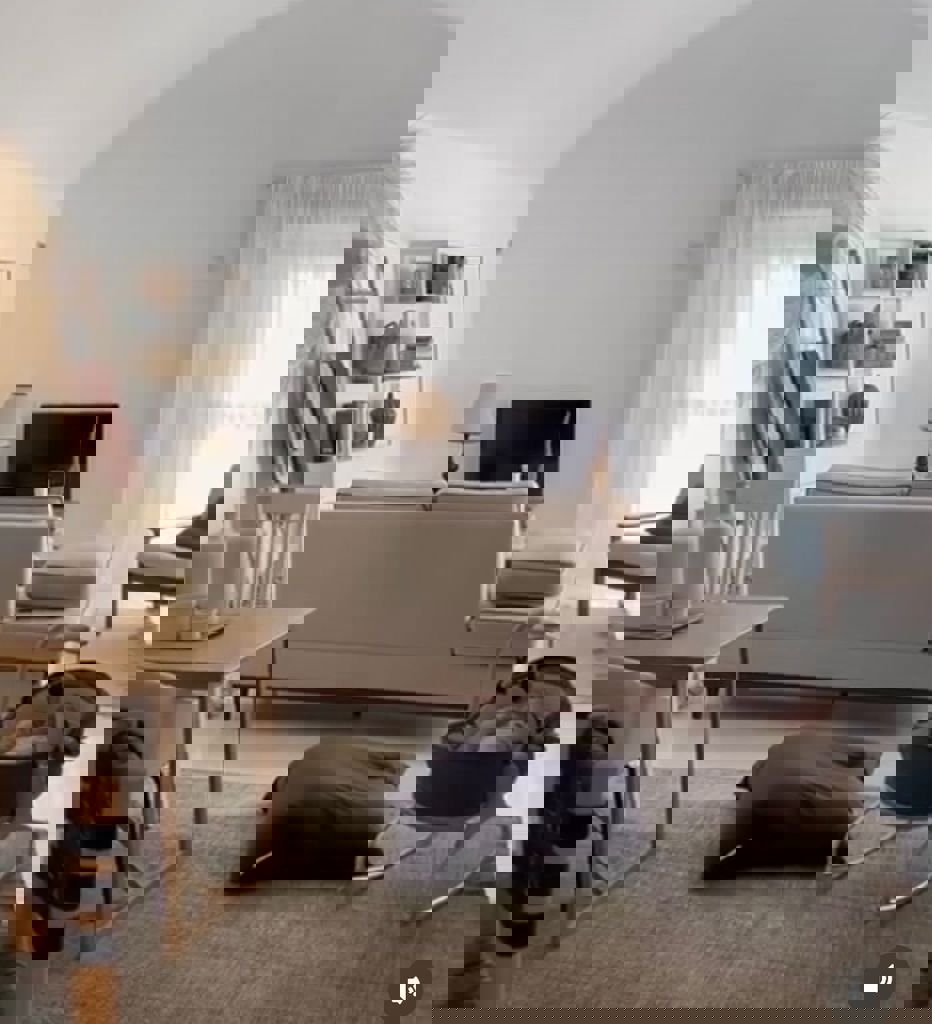
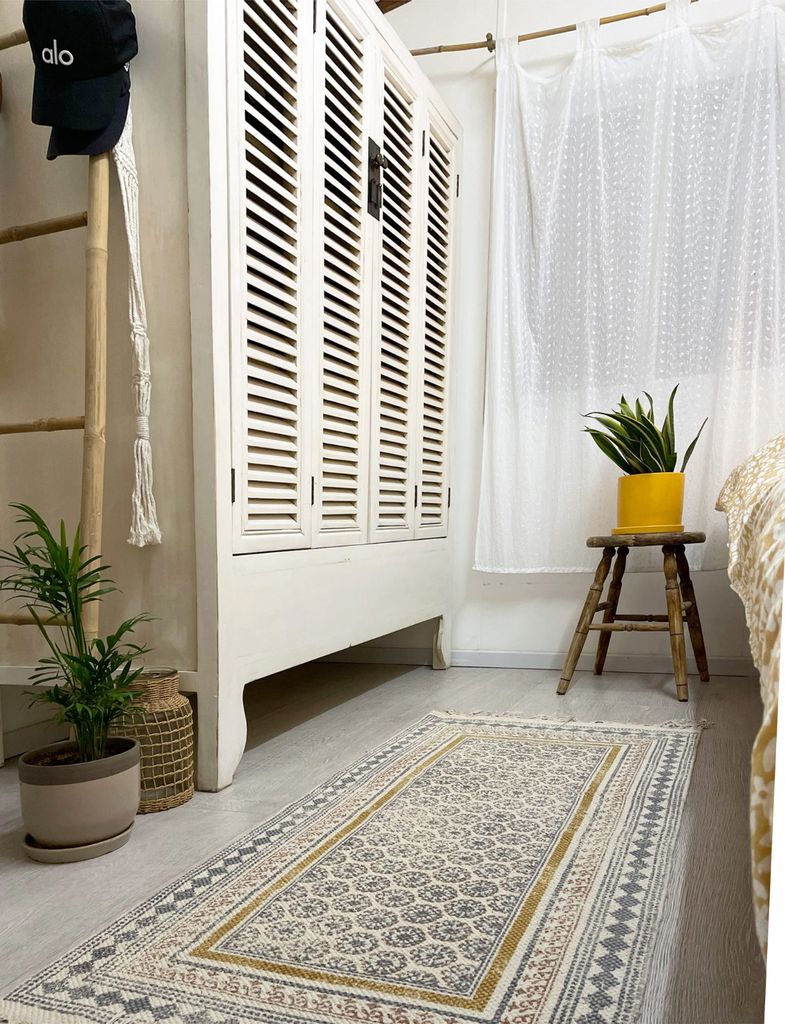
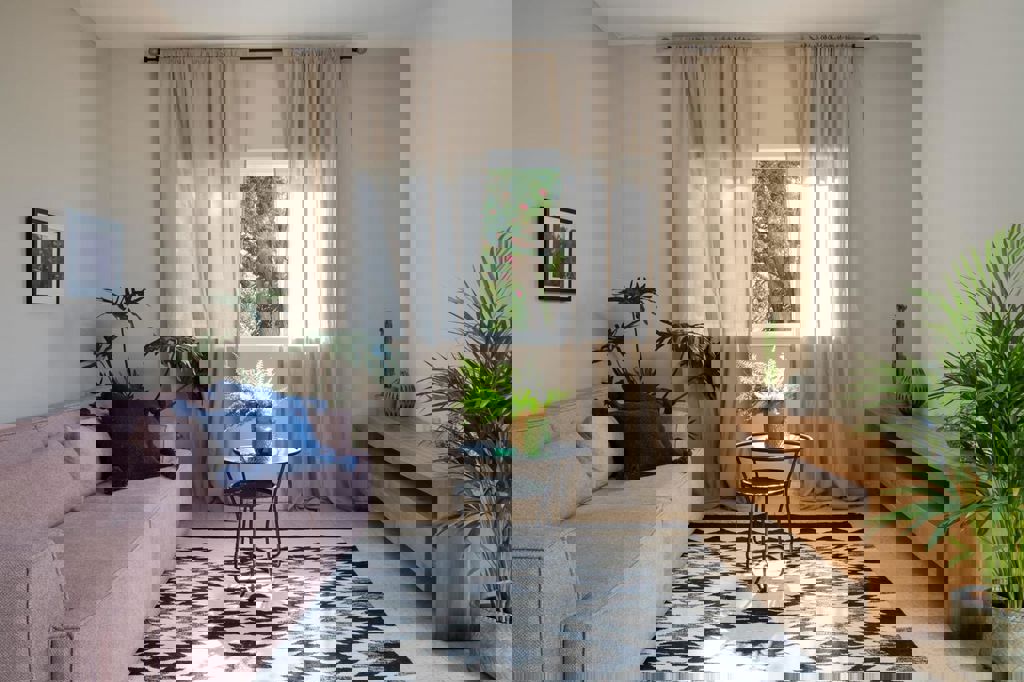
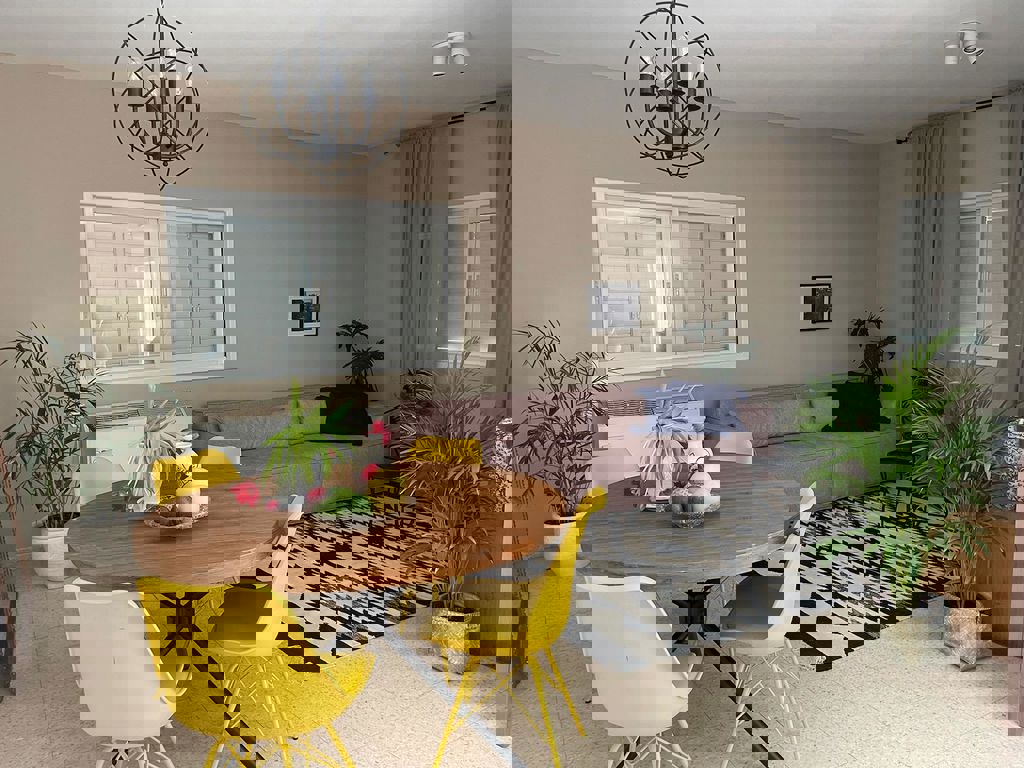
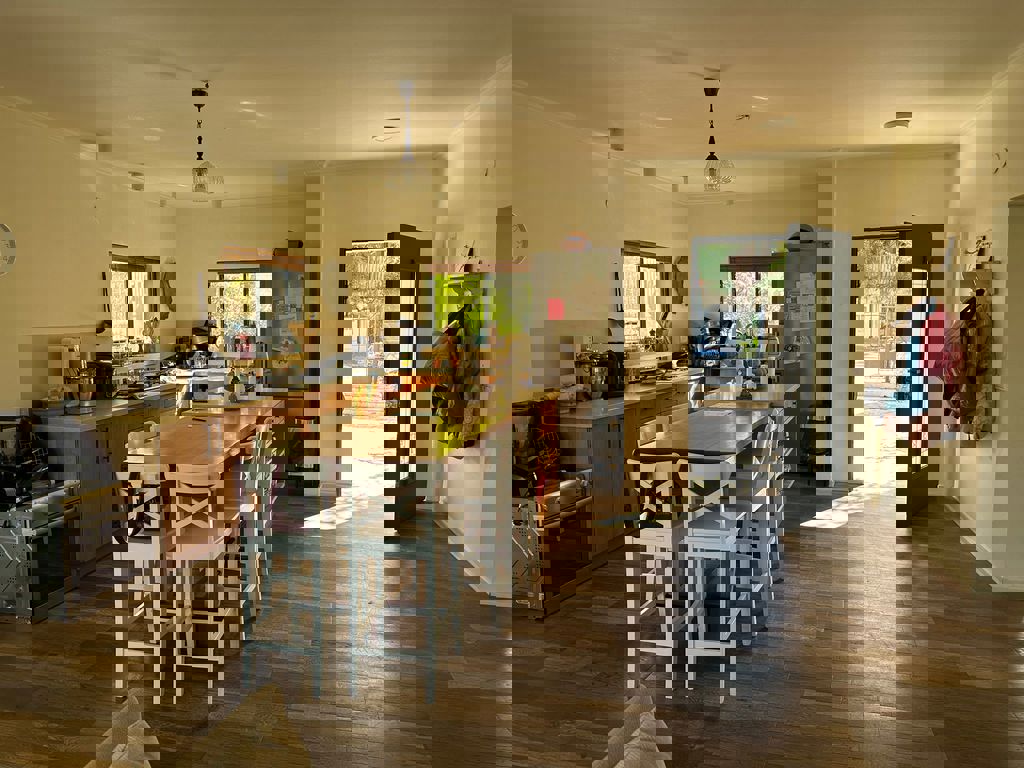
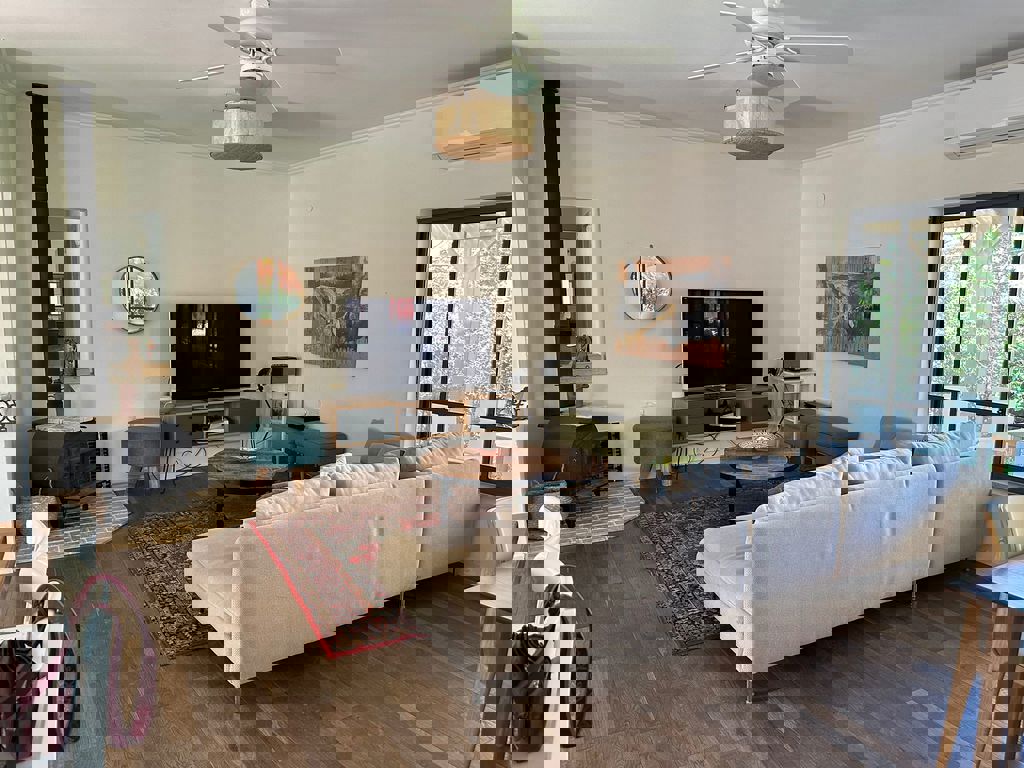
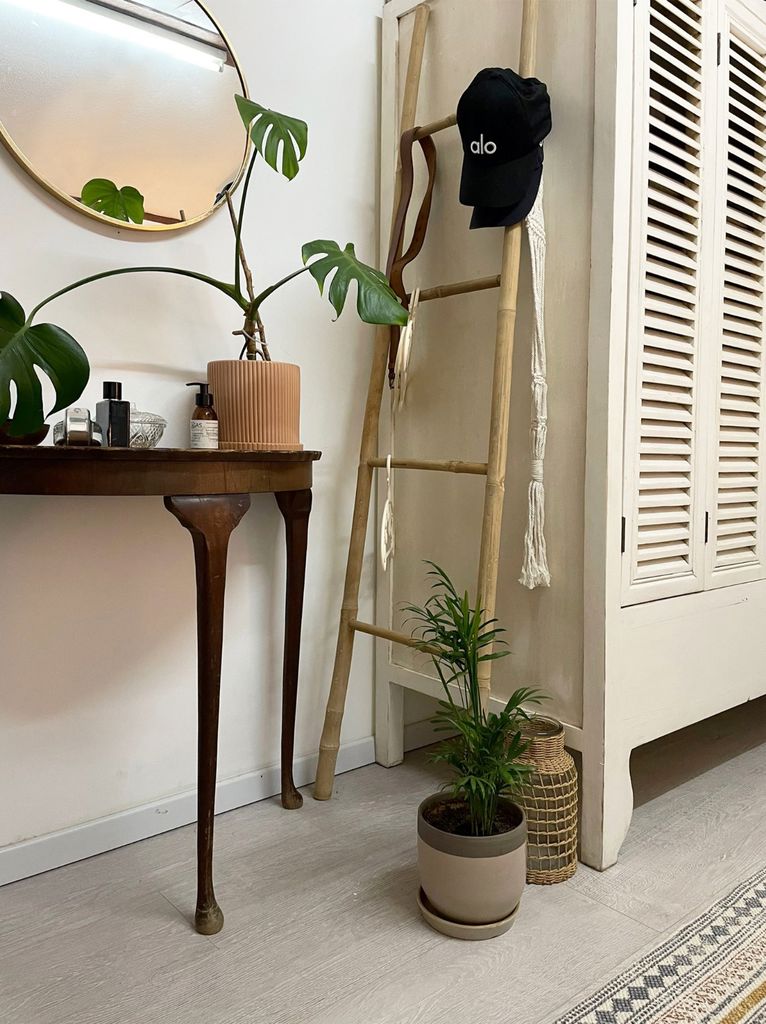
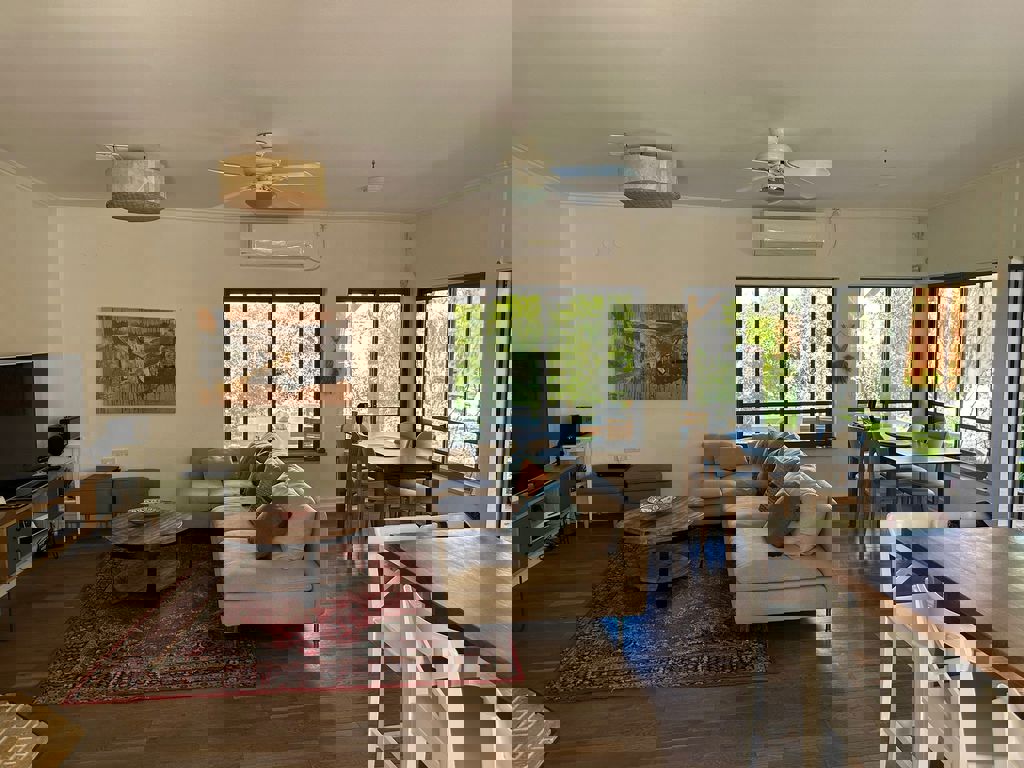
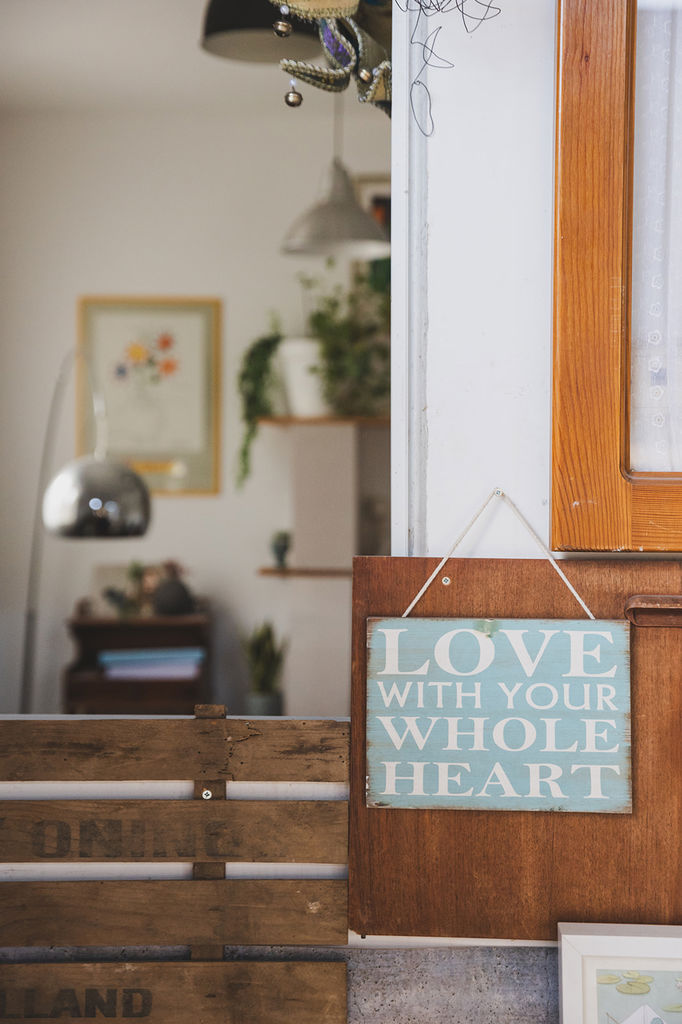
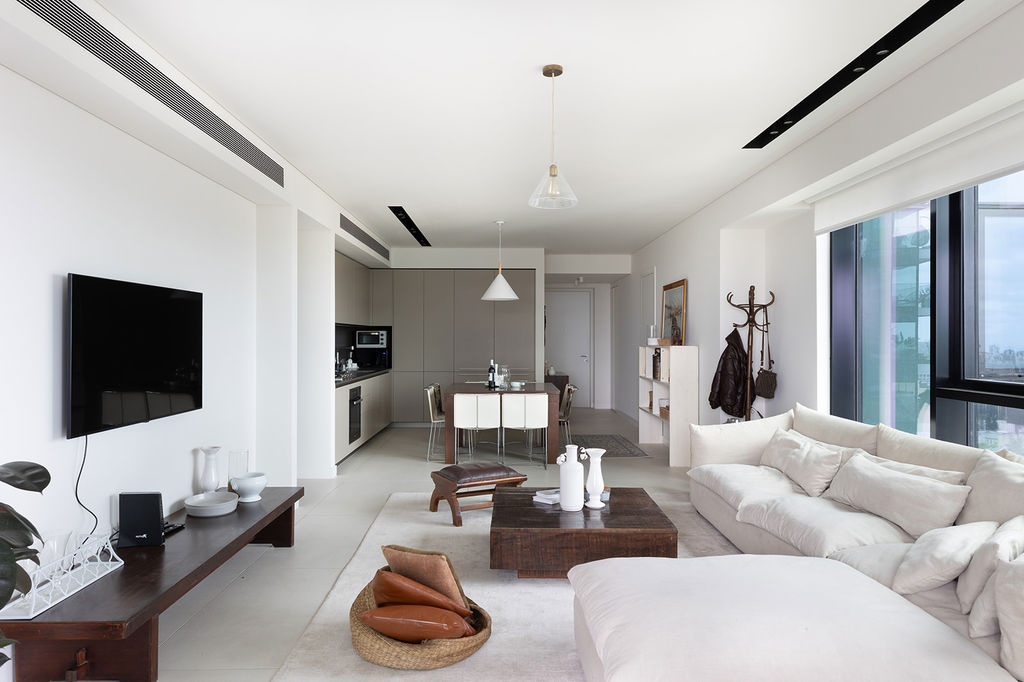
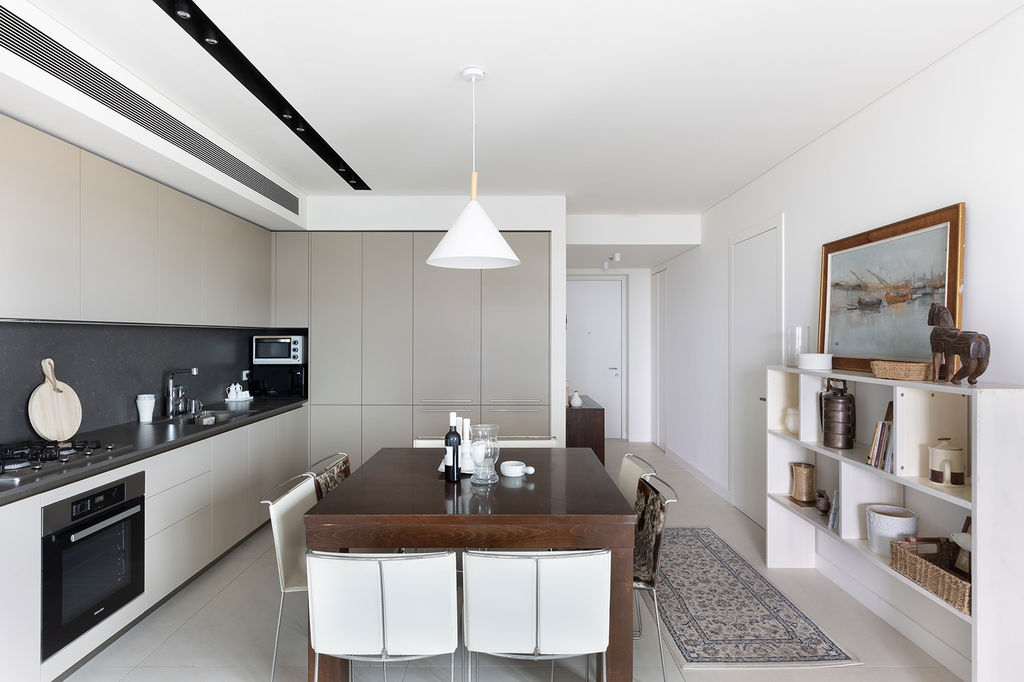
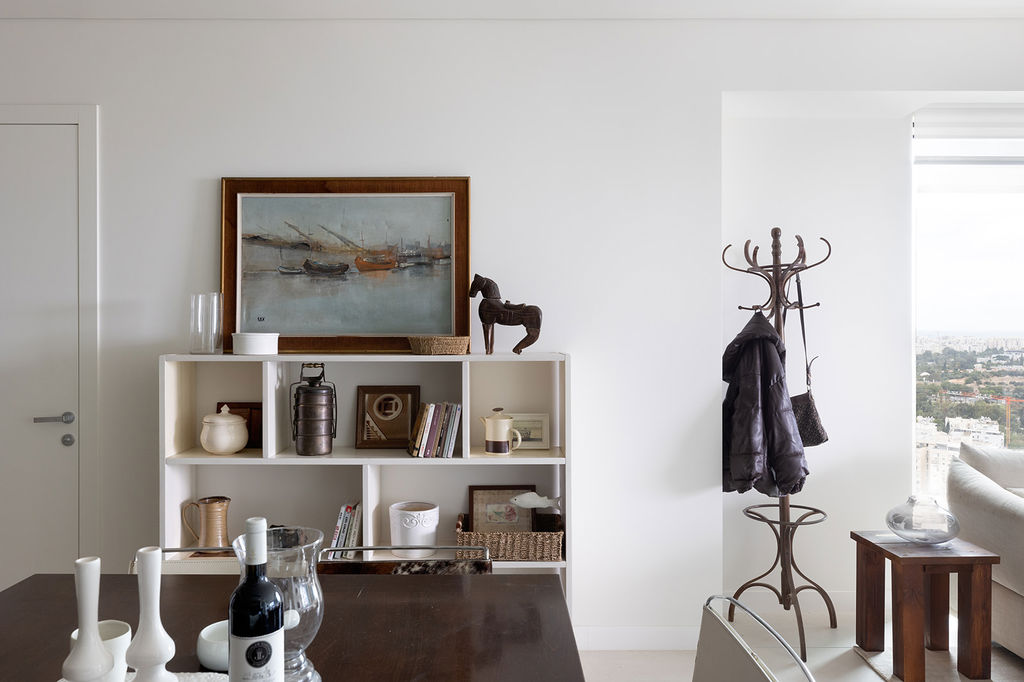
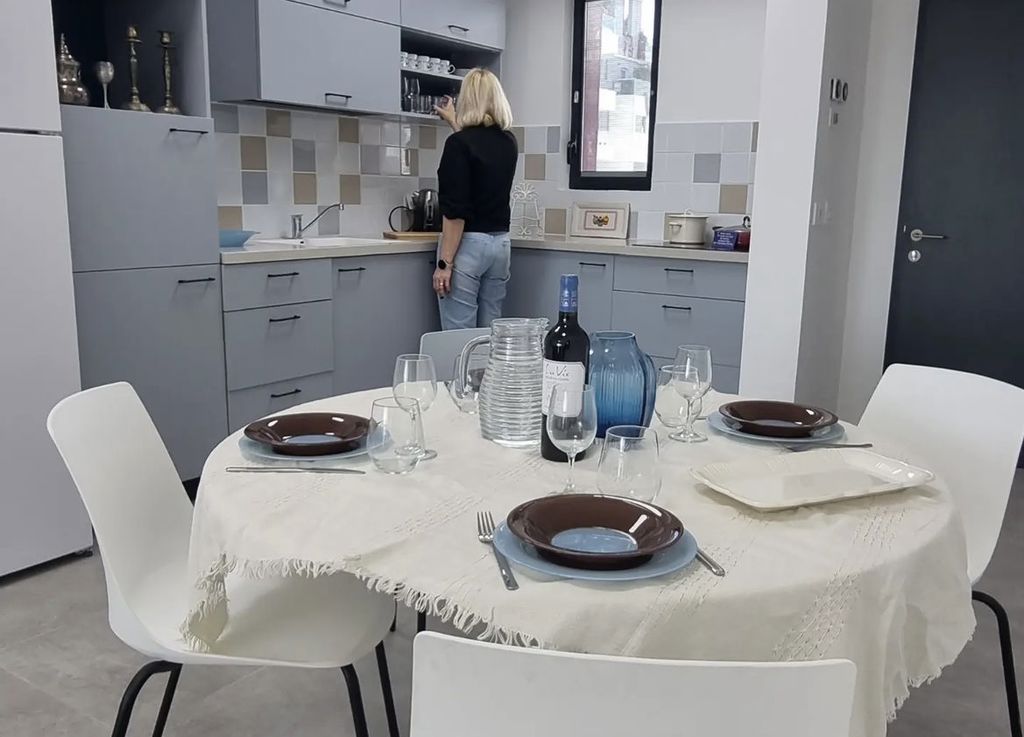
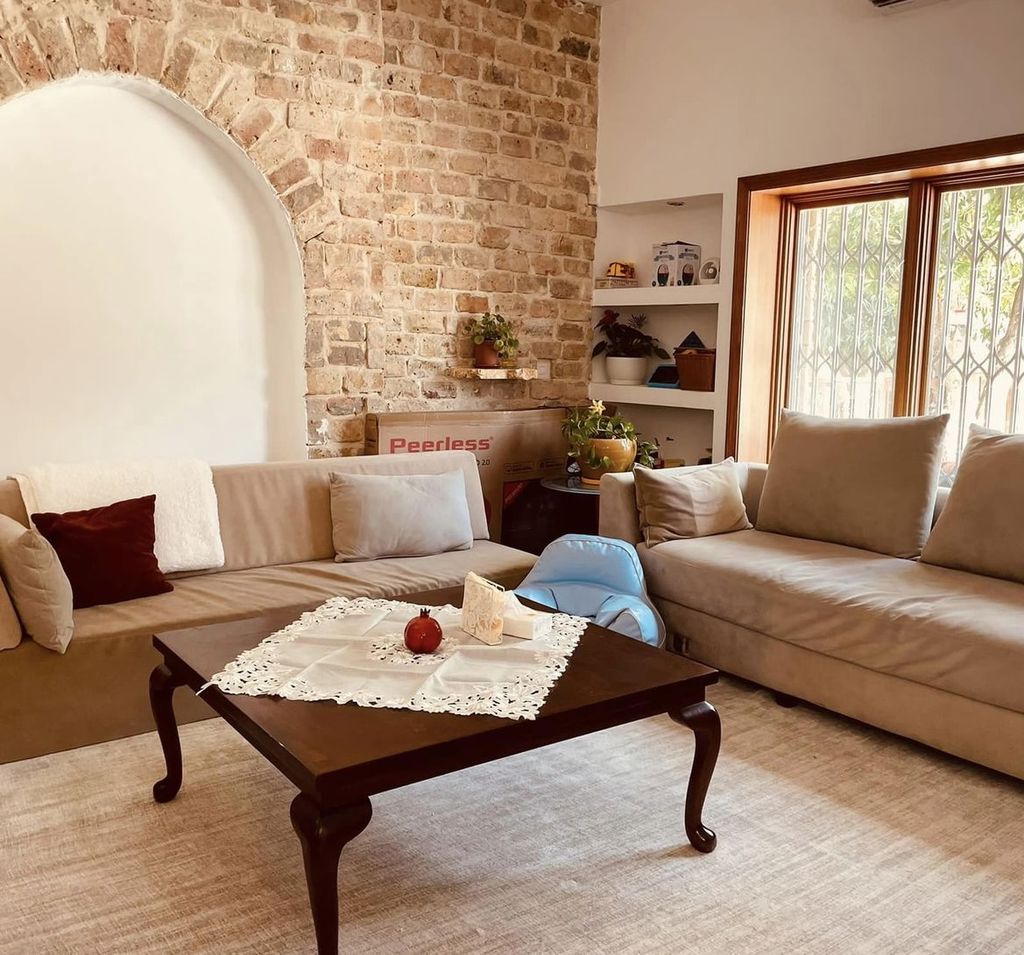
The collection of photographs in the exhibition presents only a tiny fraction of the work.
In most cases, there was no opportunity to document, nor did we feel in a position to ask families to photograph their homes.
The main focus was not the design itself, but the deep desire to once again feel the gentleness of home – a home that embraces, envelops, is present and supportive – in days when nothing can be taken for granted.
At the Home Front Hangar, we believe in the power of design as a tool to strengthen emotional resilience – personal, couple, family, and community – both among the families and among the volunteers.
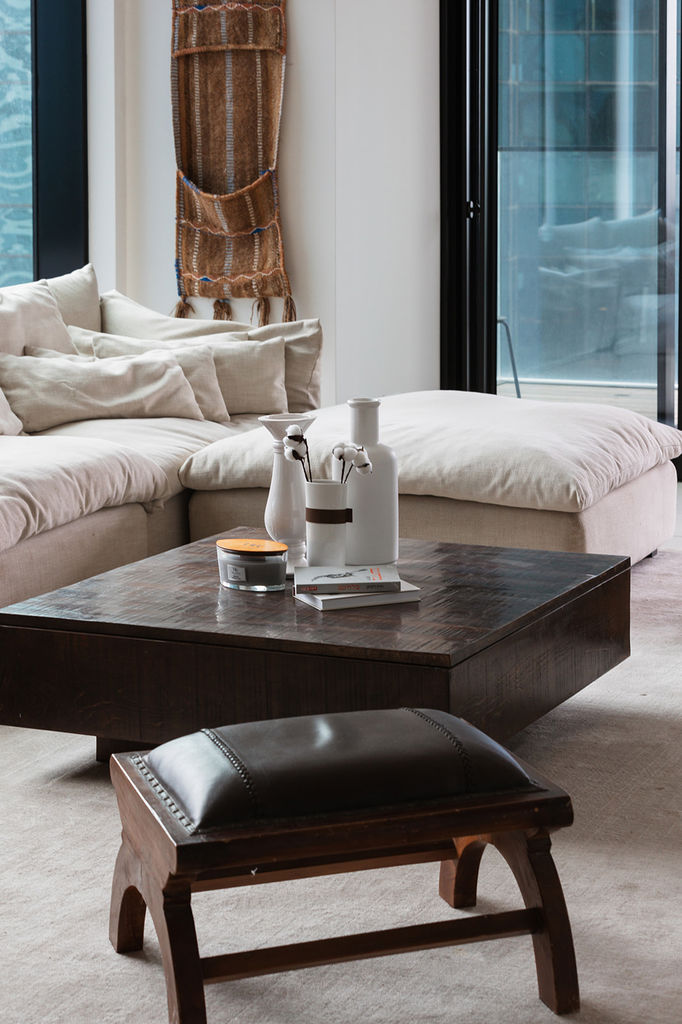
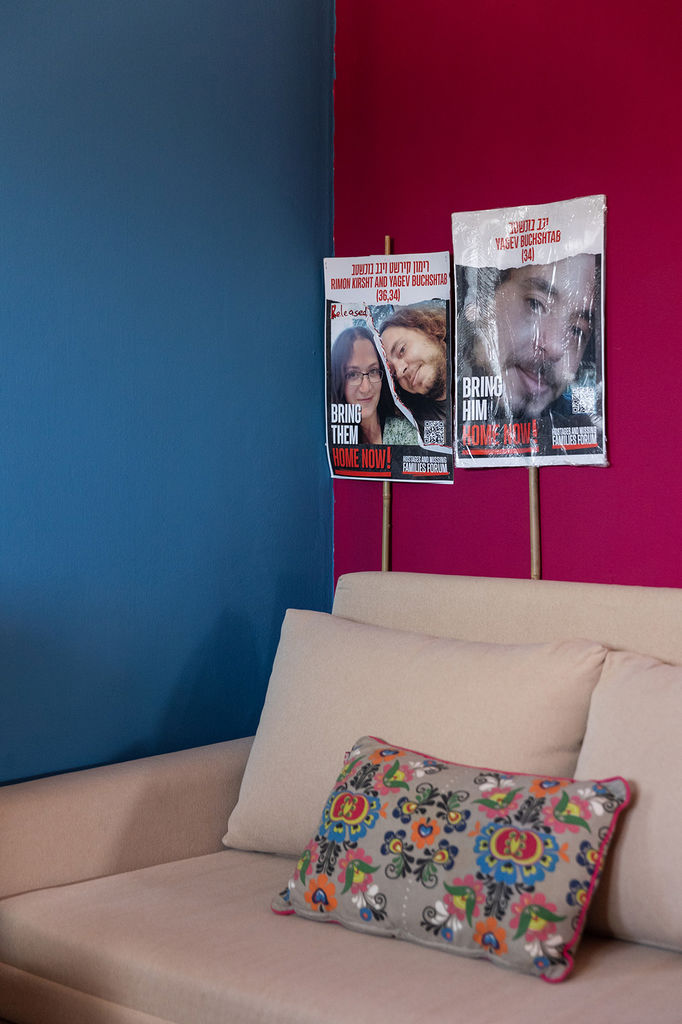
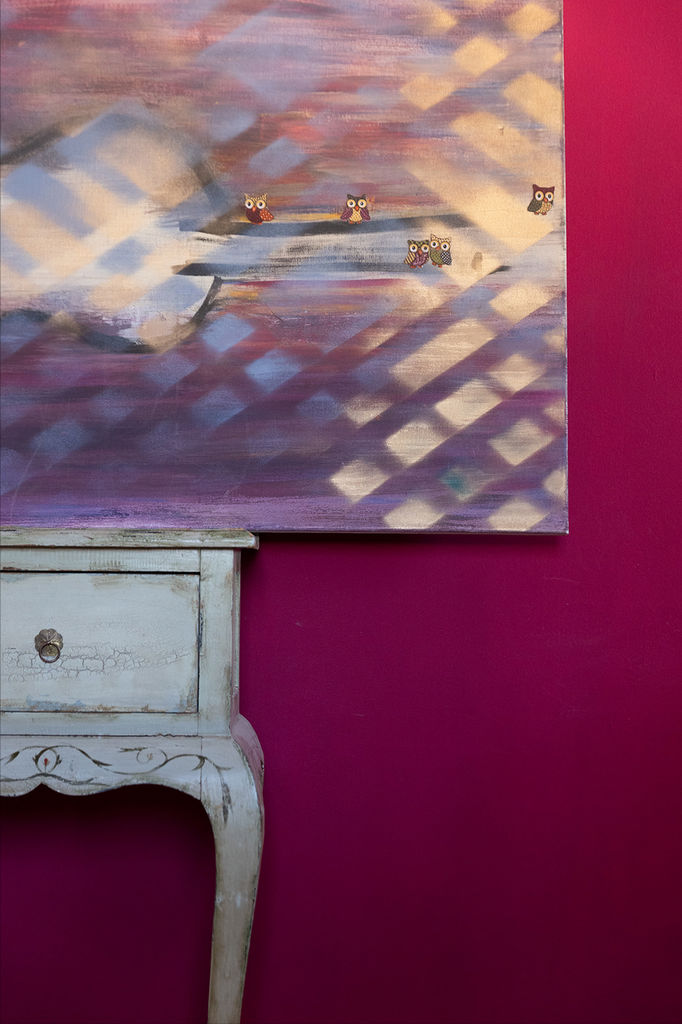
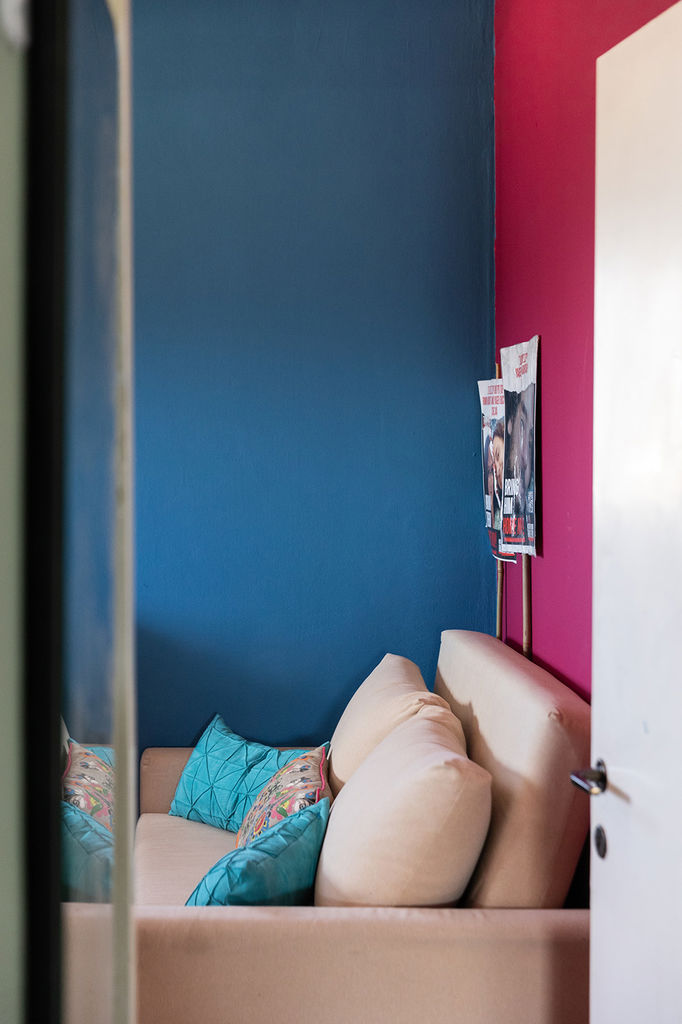
The photographs of the homes testify to this in the most tangible way.
Home Front Designers– you are angels incarnate.
The Homes of Hazit HaBayit | Tzipi Segev
Many families from the Gaza envelope and the north lost their homes on October 7th, and a void opened in their hearts.
As designers of the Home Front initiative we were required to respond immediately and design homes using the donations that arrived at the Hangar – designing homes for families whose world had been shaken and whose homes were destroyed.
To do this, we had to redefine the design code and examine its role in this new reality.
We were required to identify the value-driven code of the initiative – one that promotes affordable design, social design, design “from the materials available.”
Design as a tool for strengthening family, community, and personal resilience.
Hundreds of designers joined the initiative with enormous hearts and a deep desire to strengthen affected families using tools from the world of design.
The designers receive structured guidance, accompanied by the project psychologist, Tzvia Lifshitz, with emphasis on the sensitivity required when working with families who have experienced trauma, while considering the community and hangar guidelines.
Each designer begins with a phone call and sometimes a visit to the family’s new location.
A meeting is then scheduled at the hangar to collect furniture and equipment for their temporary home.
At times, the designer even assists in designing and arranging home, together with the family members.
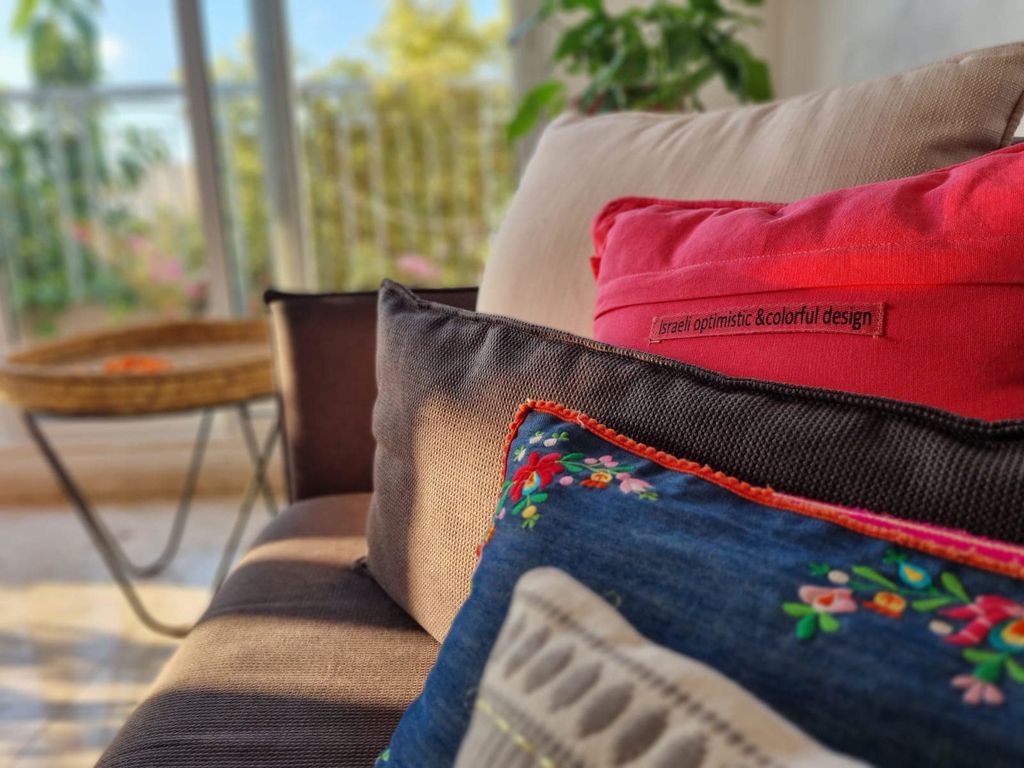
We learned to design in an eclectic style, added vintage touches, and created a warm look so that the family would feel “as at home as possible.”
Sometimes families enter the hangar with downcast faces – and receive a huge hug here, in the fullest sense of the word.
Within just a few days, a warm home is designed for each family – perhaps temporary, but one that conveys love and hope.
As the manager of the designers’ community, I made sure to match each family with a designer who would accompany them through the process, and I personally traveled as far as the families need me to.
I designed apartments for young people from Be’eri, and for those required to return to work in the Gaza envelope kibbutzim while artillery was still thundering overhead.
They stayed to help rebuild their homes – and I stayed with them.
I accompanied a family that returned from captivity – a grandmother, mother, and child – who entered my heart and became my family. Designing their home was a joyful part of their rehabilitation process.
Together with the Hostage Forum, we were able to treat the families members with care and generosity.
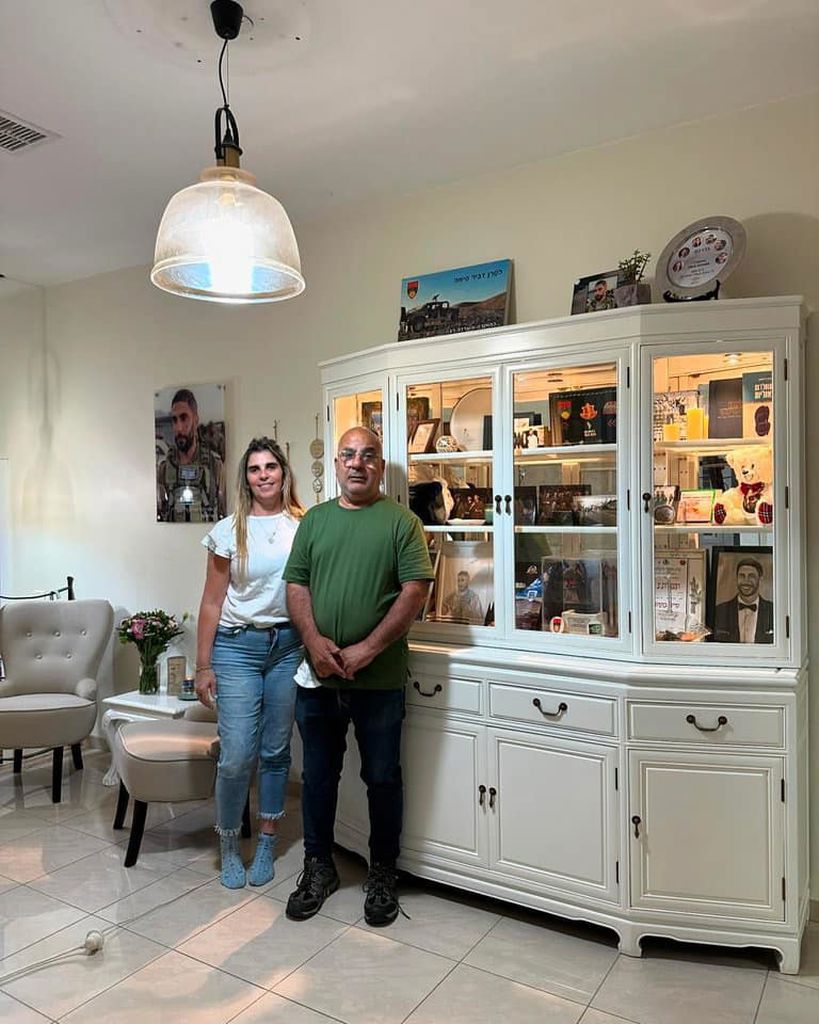
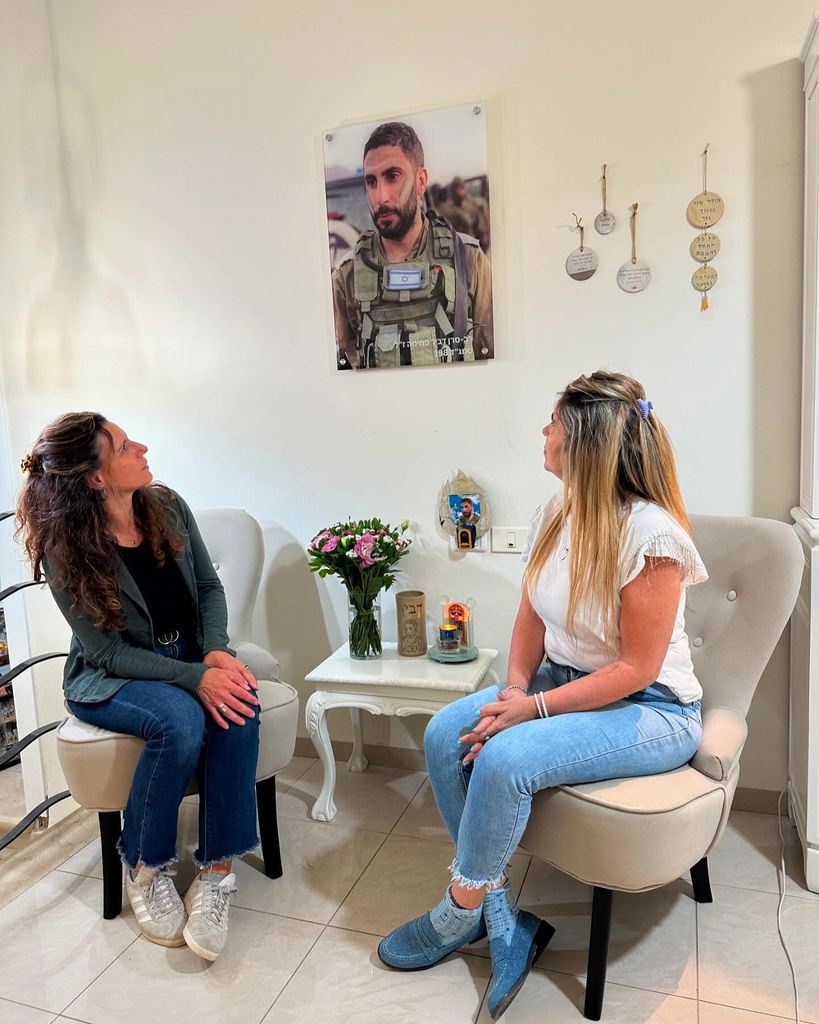
With the help of Hagar Lanzini, one of our designers specializing in furniture restoration, we renovated a dresser that serves as a memorial wall for an armored battalion deputy commander who was killed in Gaza, and created a space of unity and remembrance for the bereaved family.
I designed a housing unit for a teenage girl whose parents were held captive; she chose to return to Be’eri in order to be close to them. Both her parents eventually returned.
Through home design, the initiative created an island of hope for a home that was lost. We opened a window of light for the families and will continue to illuminate their world, which darkened in a single day.