
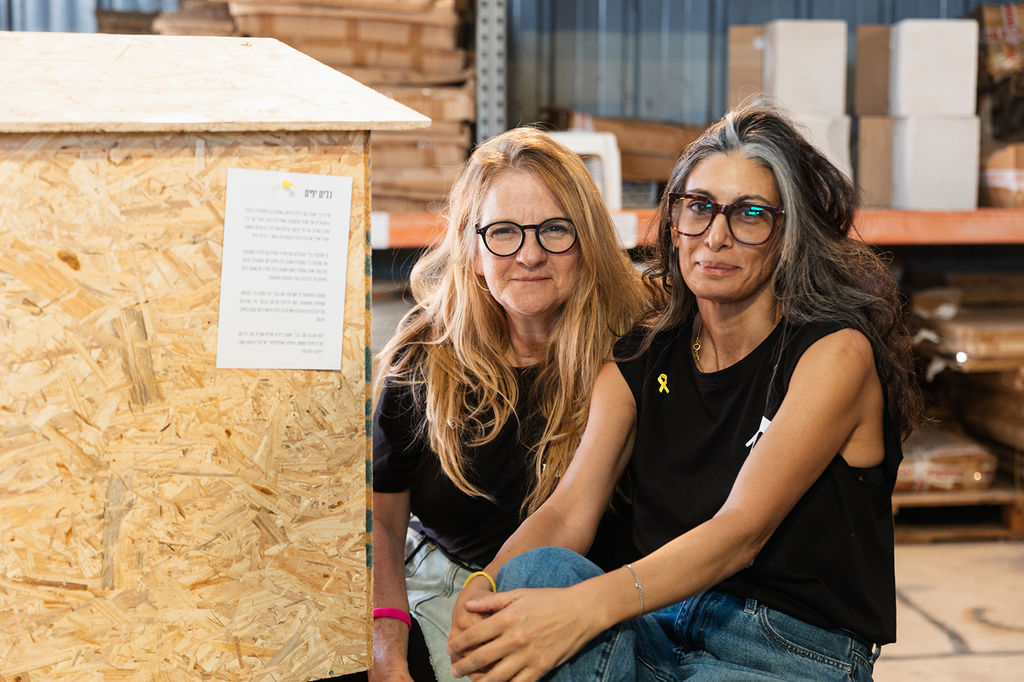
REVITAL BEN BASAT
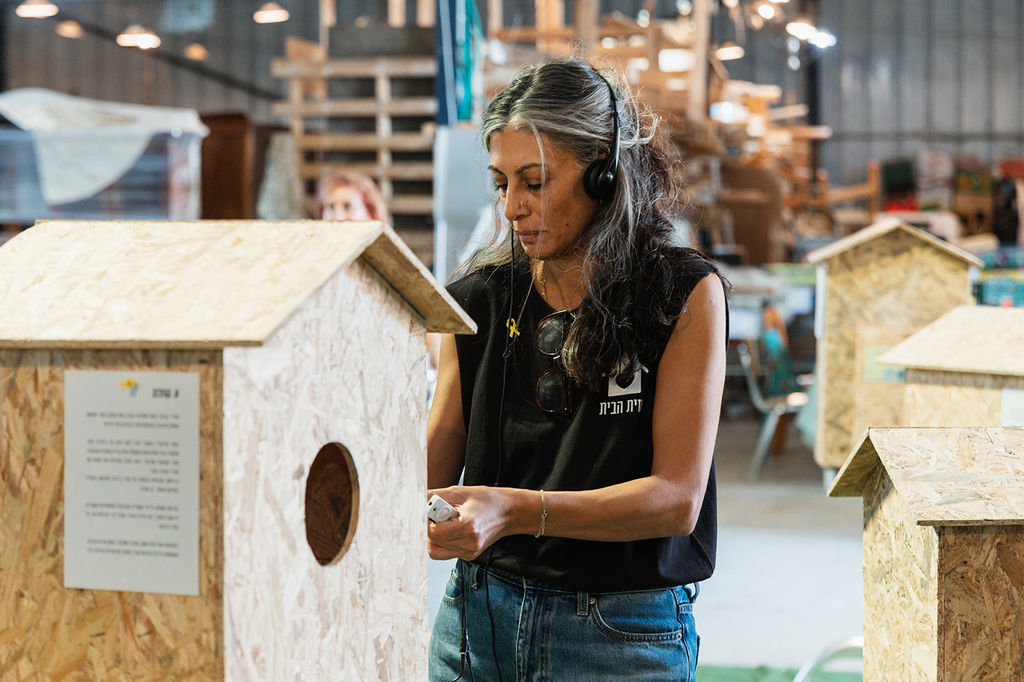
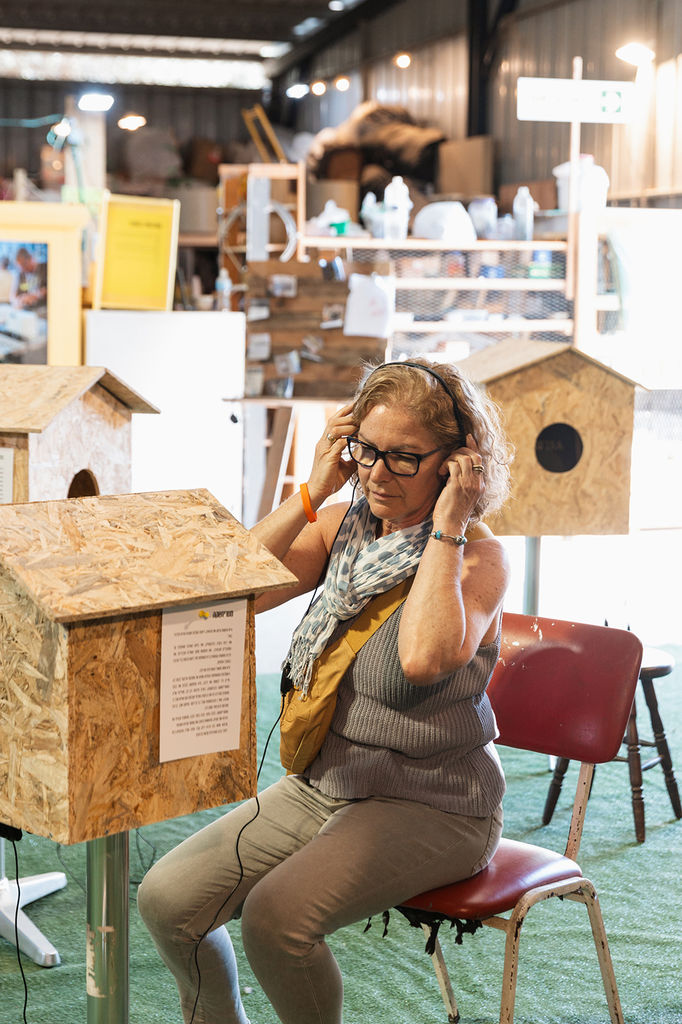
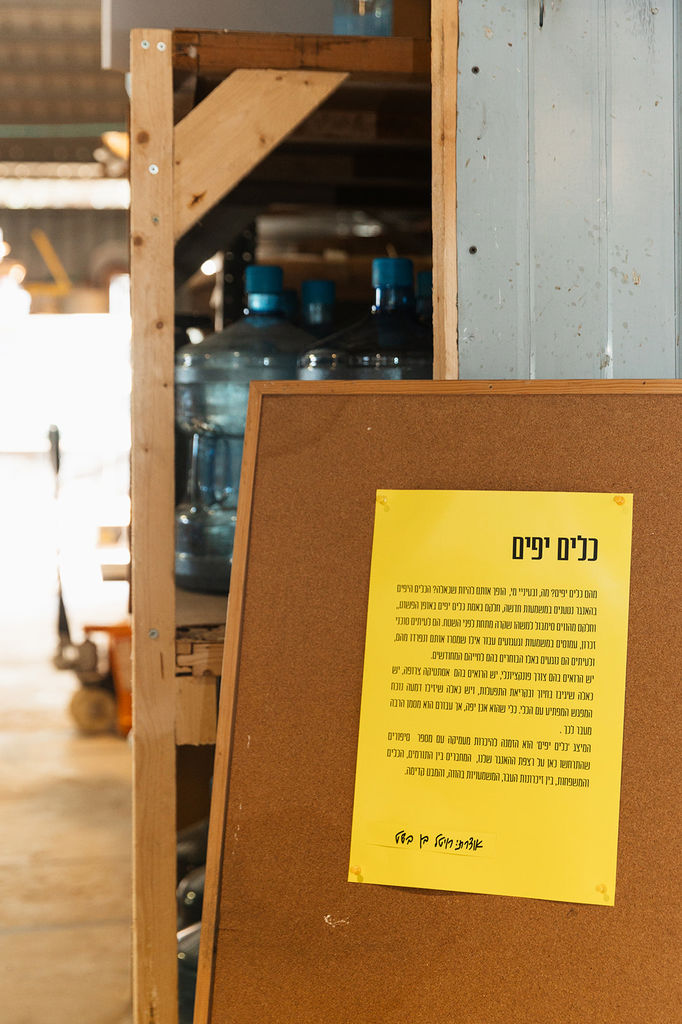
An installation of beautiful objects is a symbol of what happens beneath the surface.
Some see these objects as a functional necessity, others see aesthetics, and some are moved to tears by the unexpected encounter with a vessel. It is indeed beautiful, but for them it signifies much more than that. Objects are often longing; they are memory.
Our Hangar is a terminal of memories, and the objects are agents of memory.
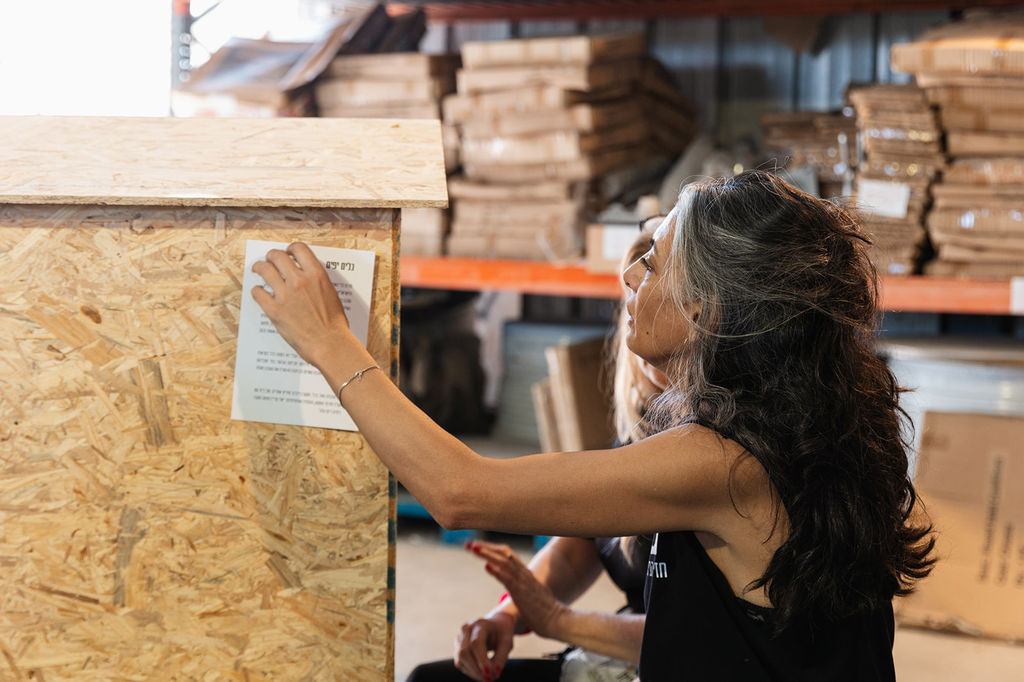
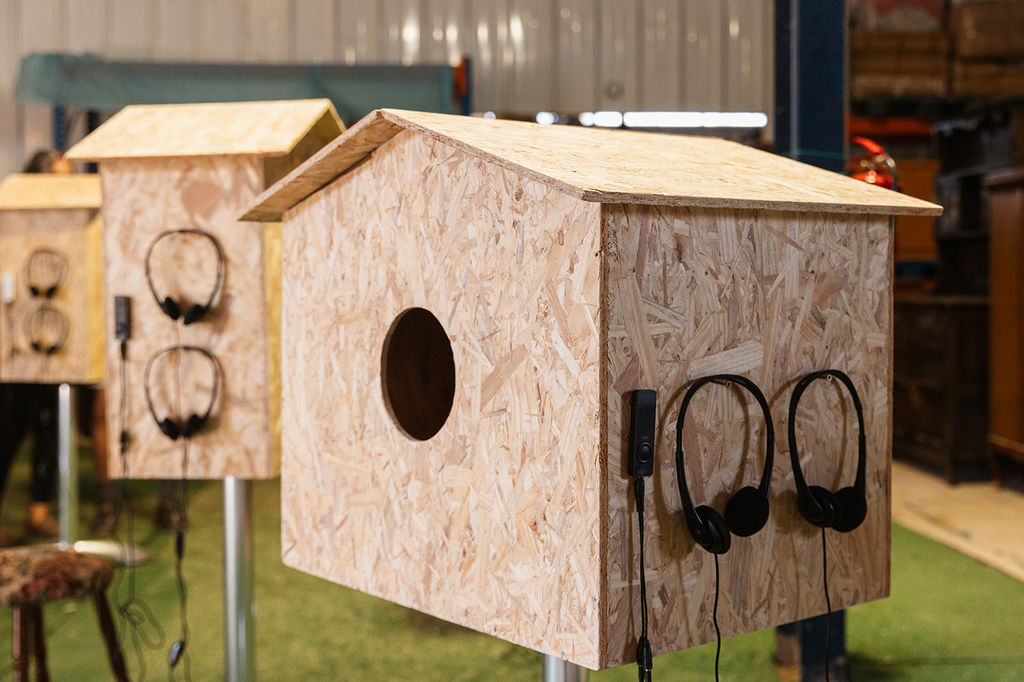
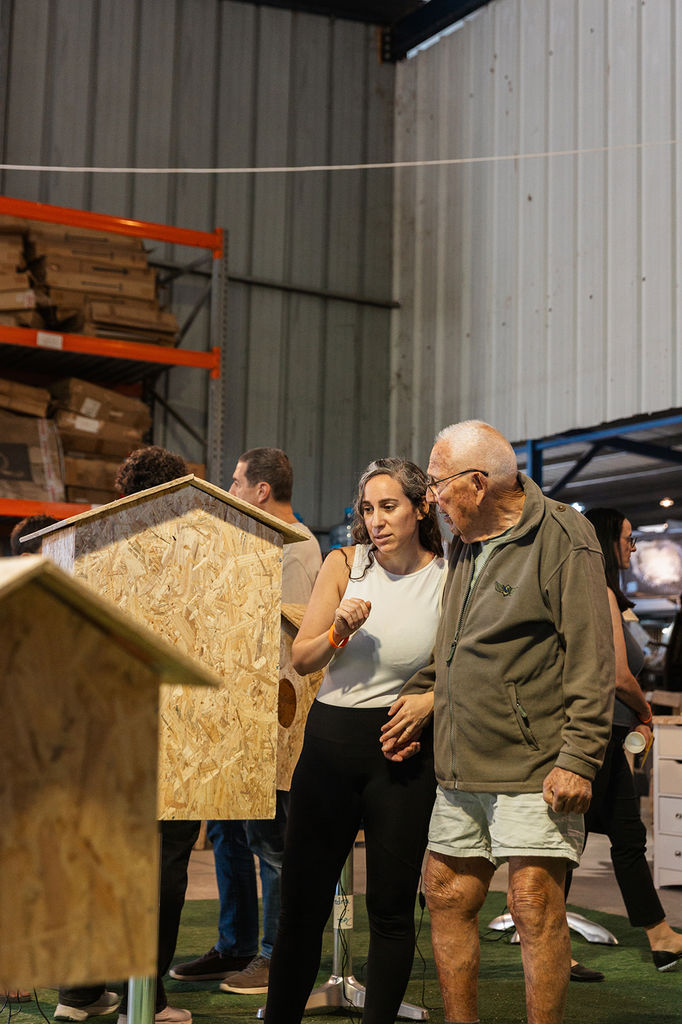
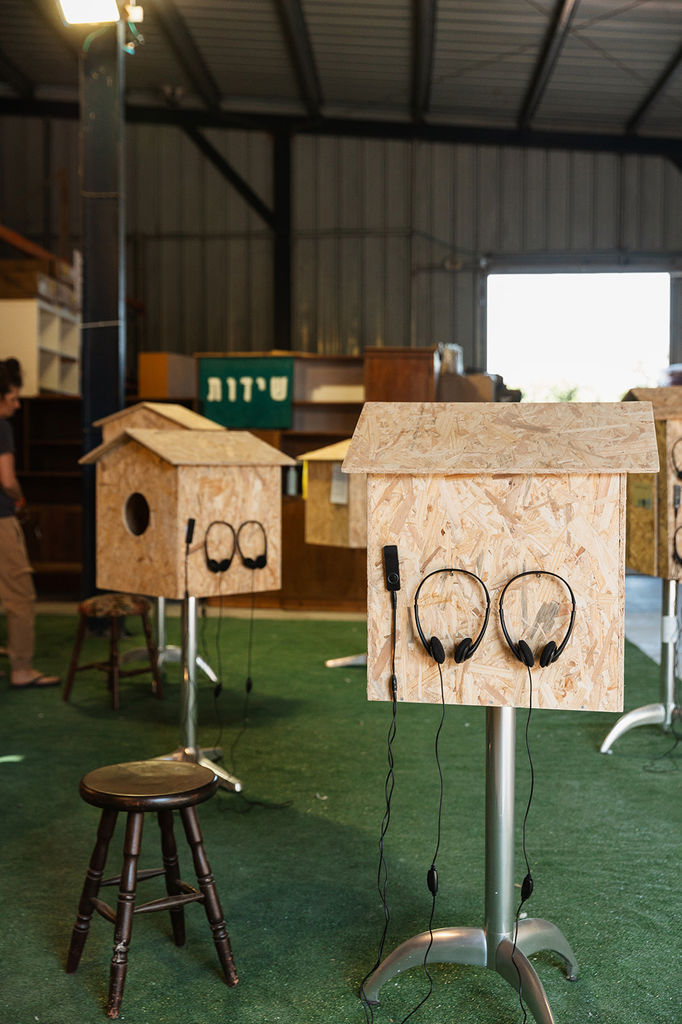
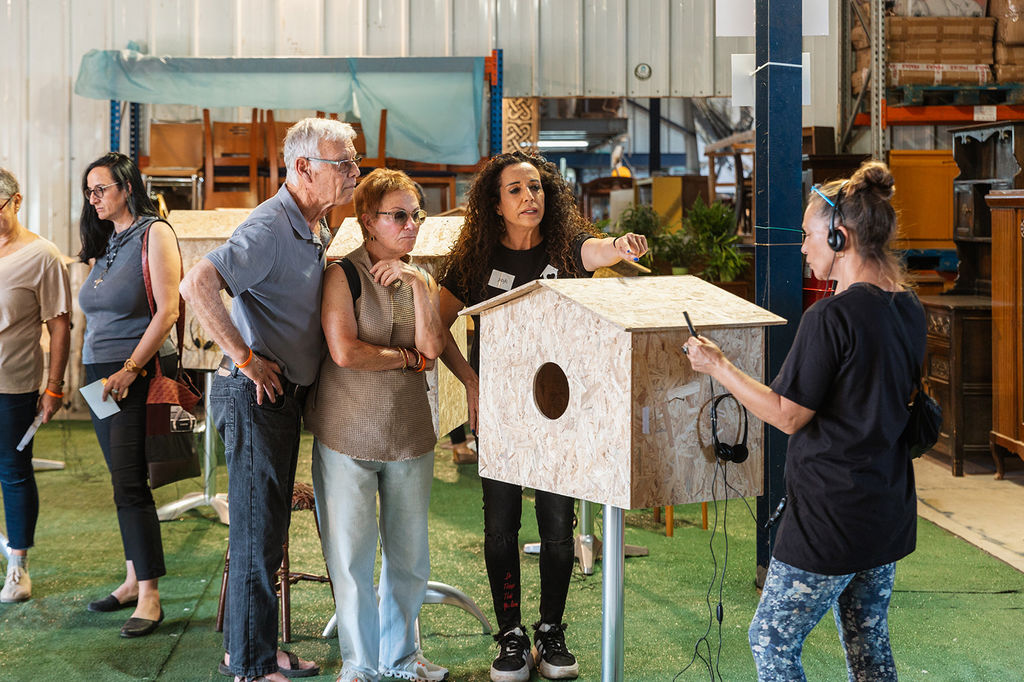
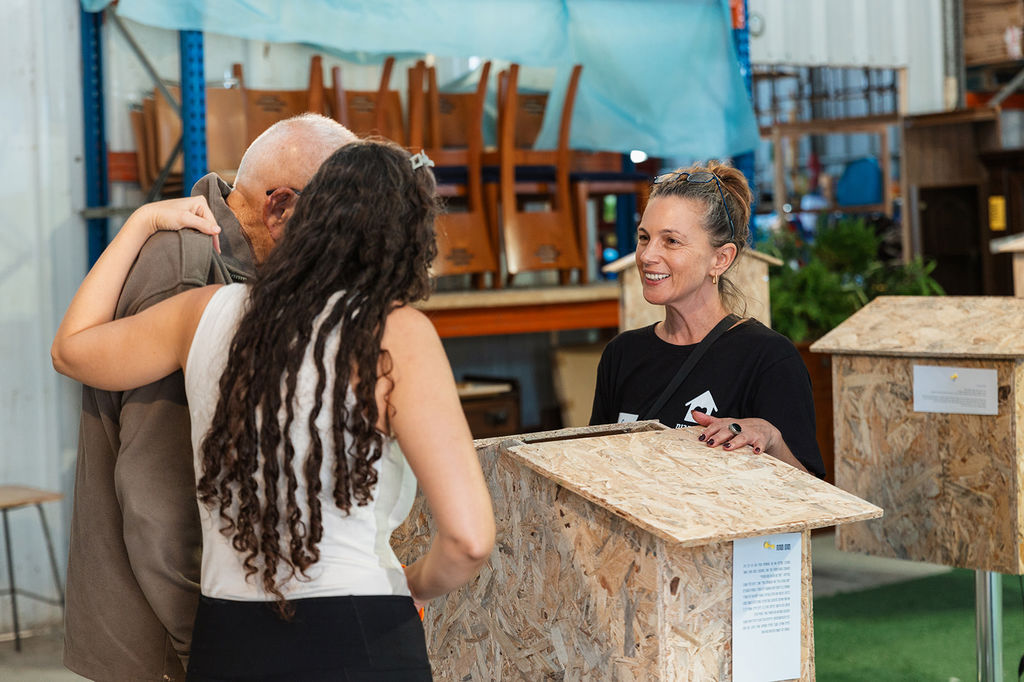
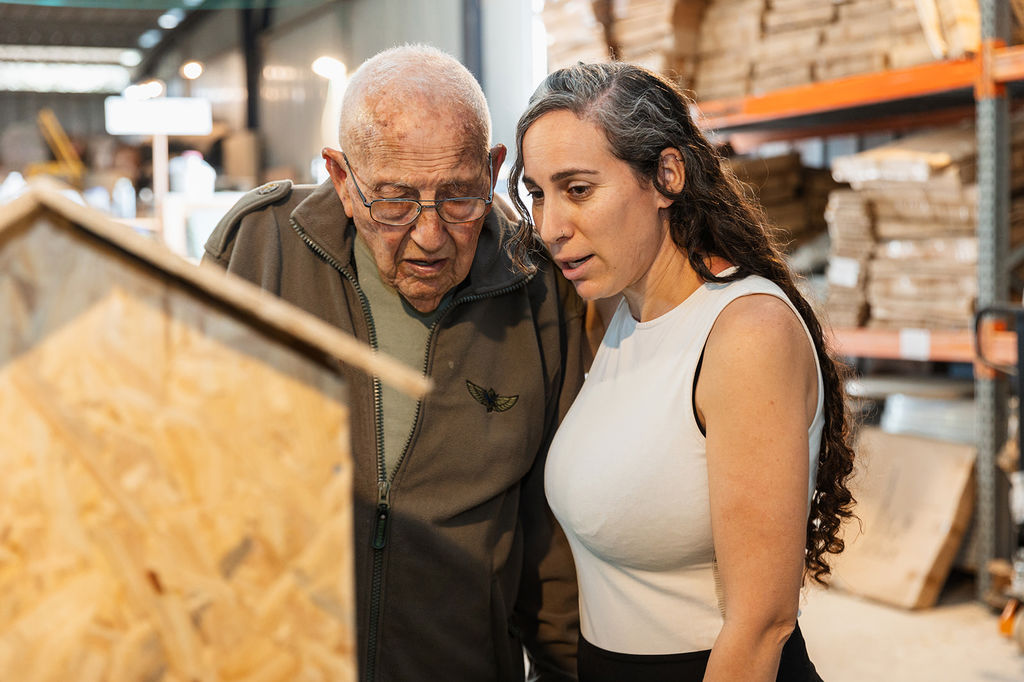
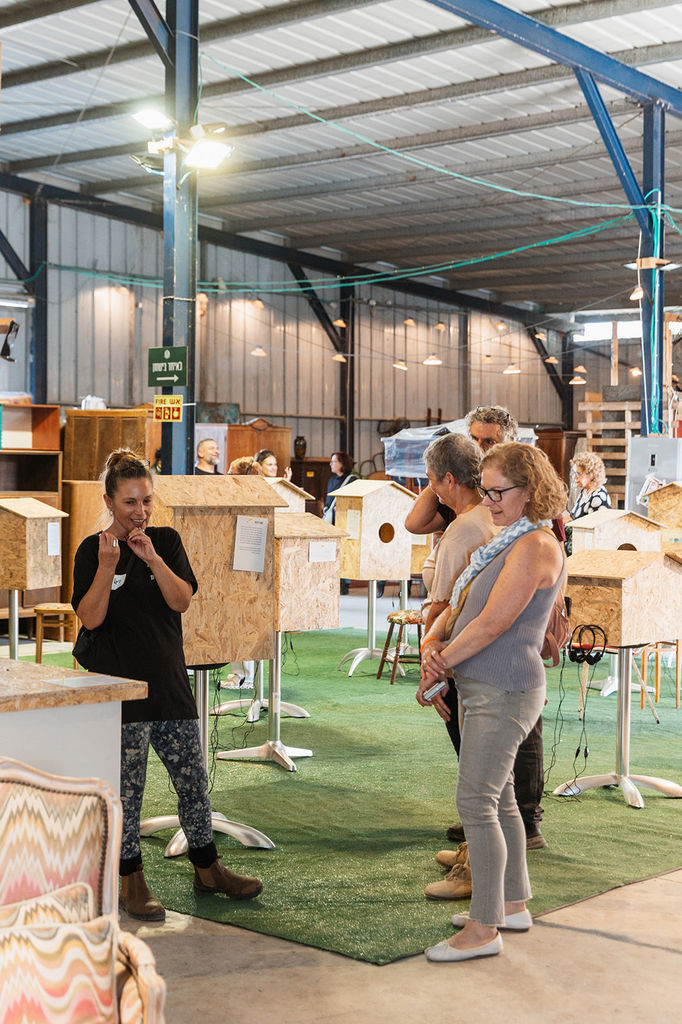
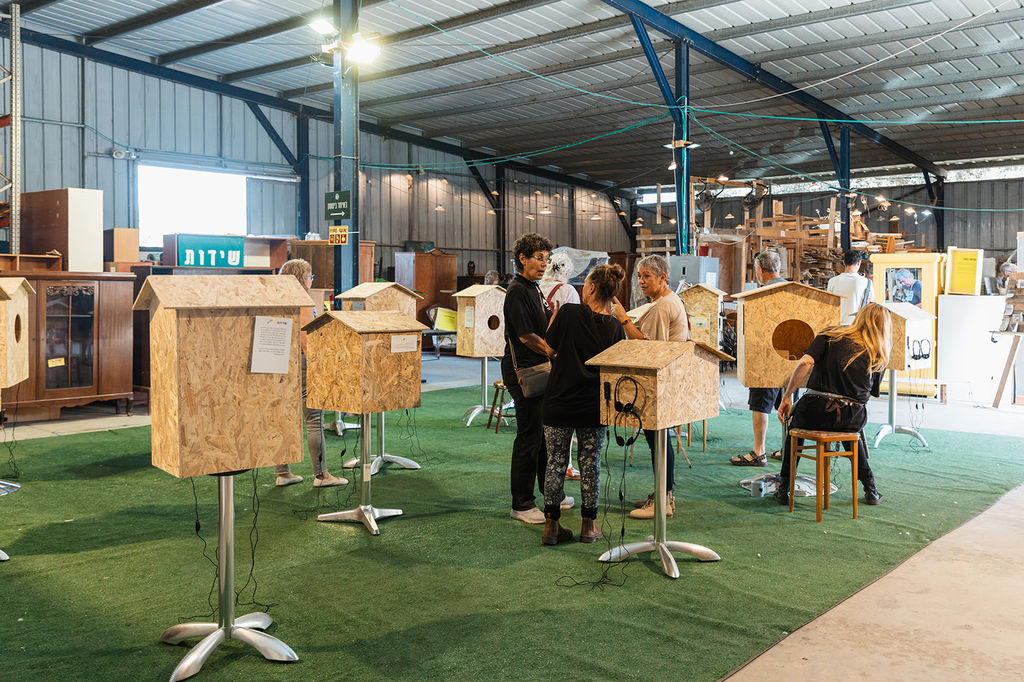
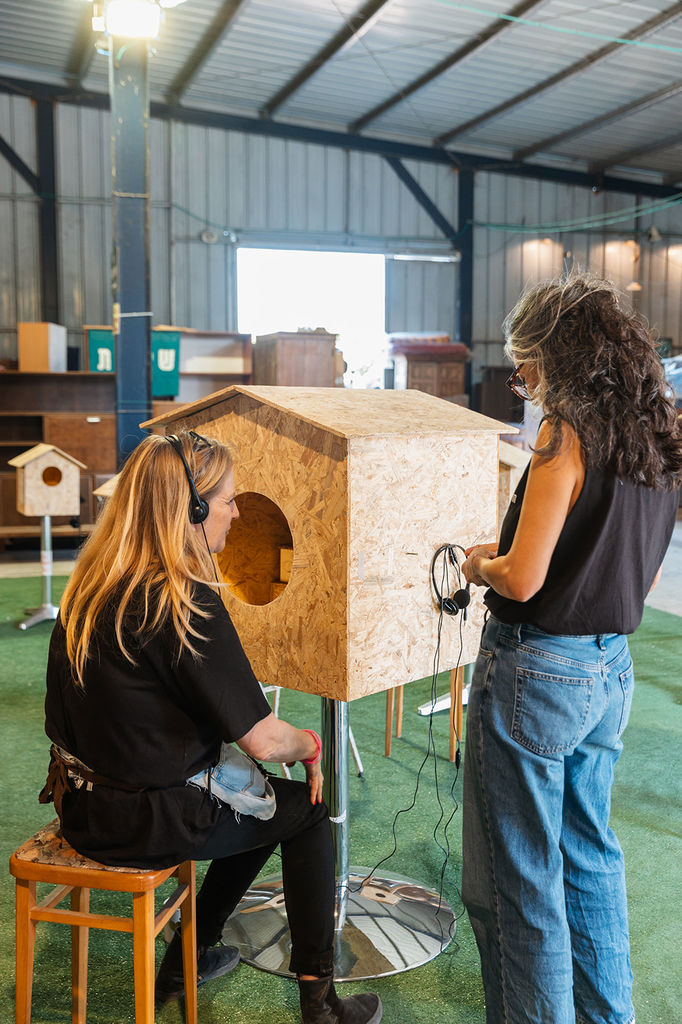
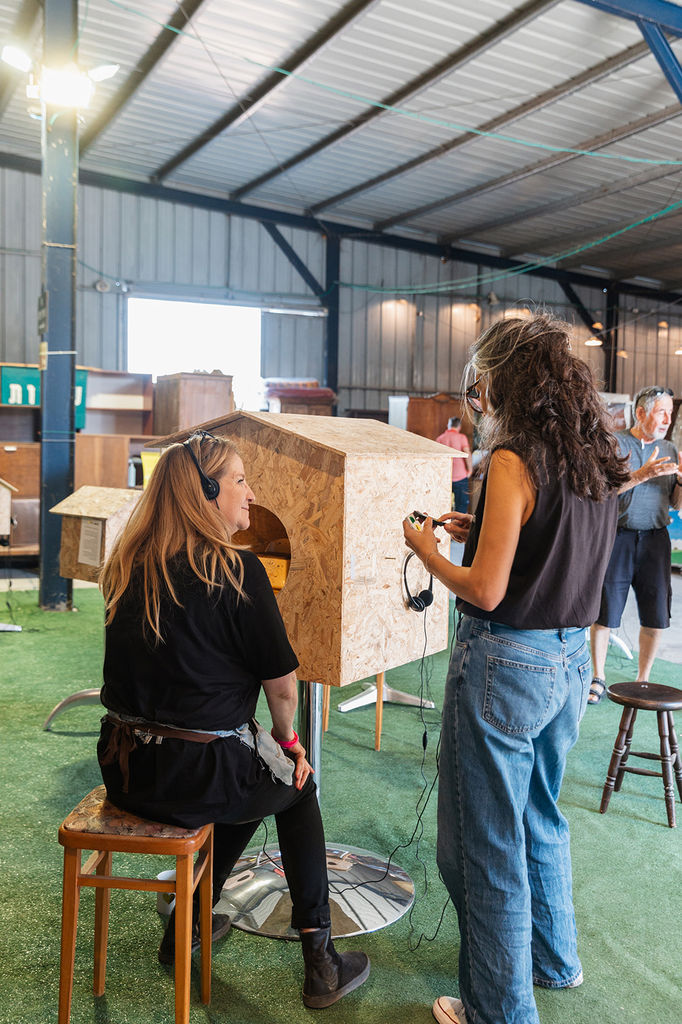
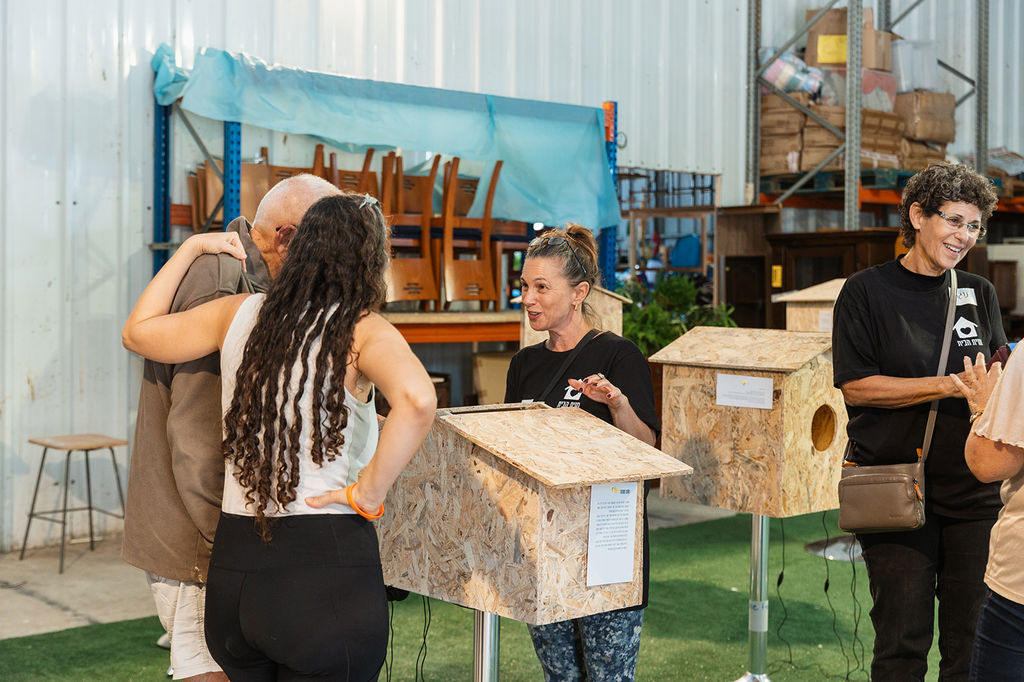
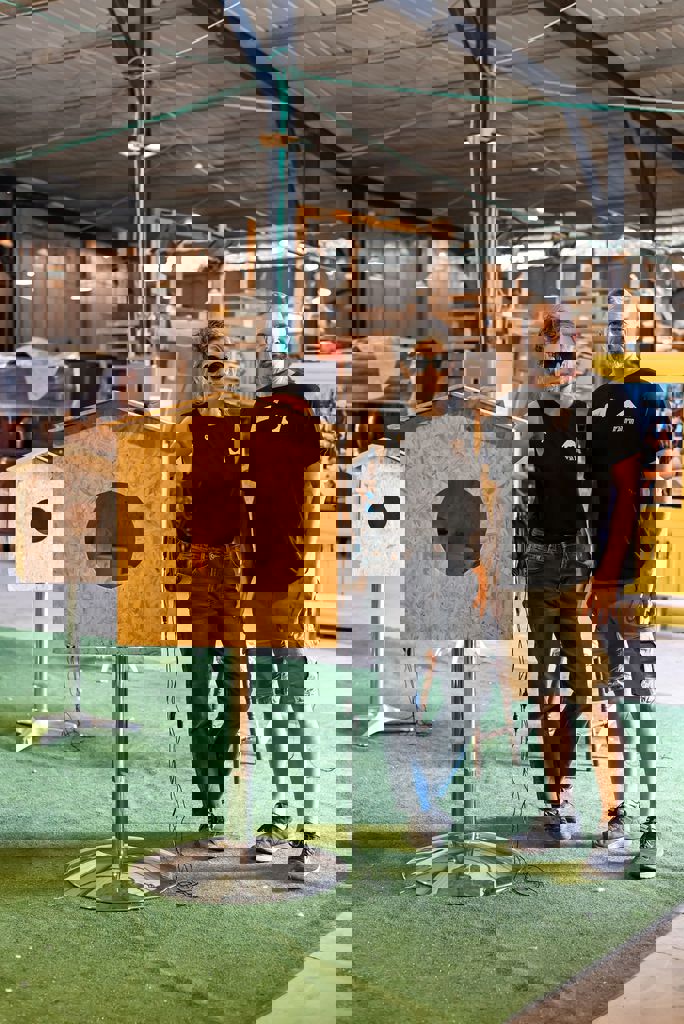
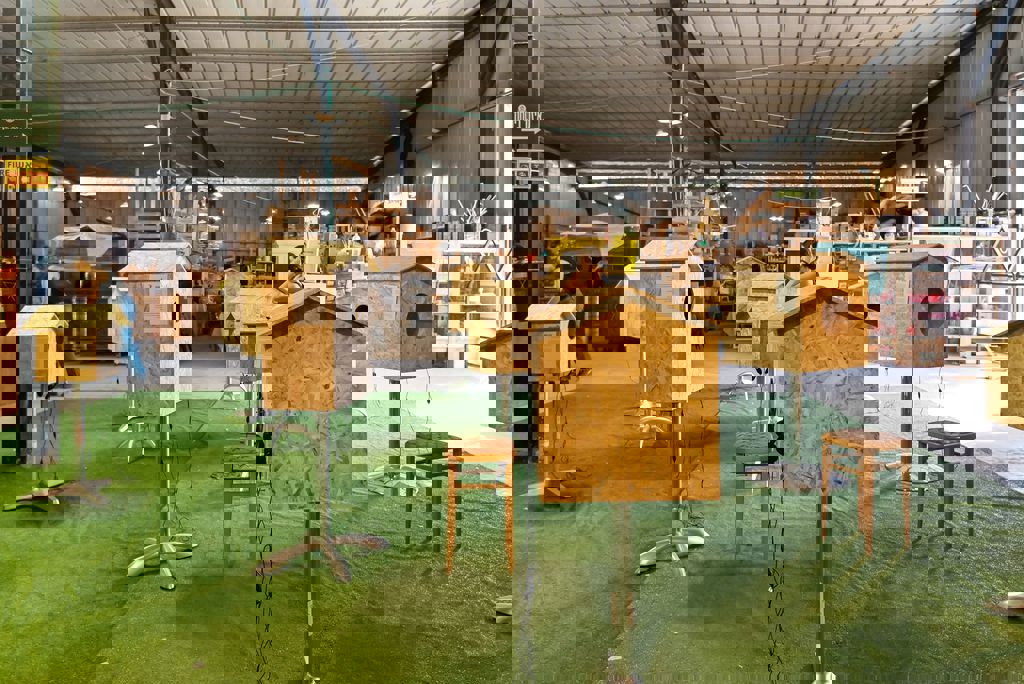
Sometimes they overflow with emotion, and sometimes they are simply beautiful objects. The exhibition “Beautiful Objects” is an invitation to become deeply acquainted with several stories that took place here on the floor of our Hangar—stories that connect donors, objects, and families, memories and meanings.
Welcome.
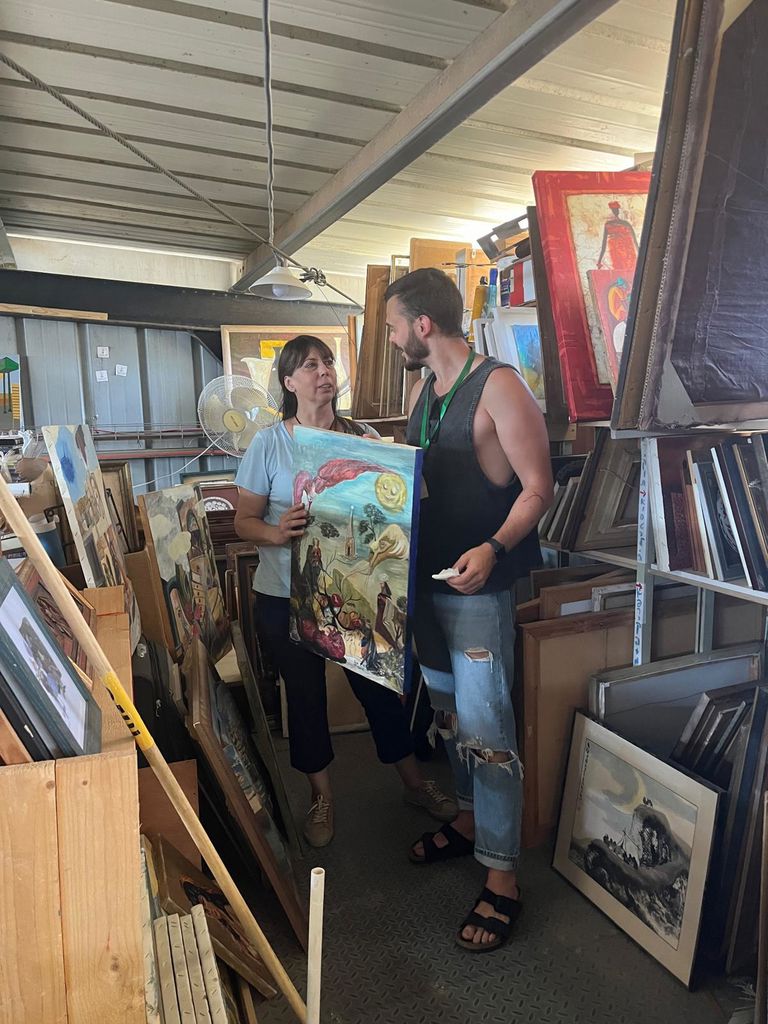
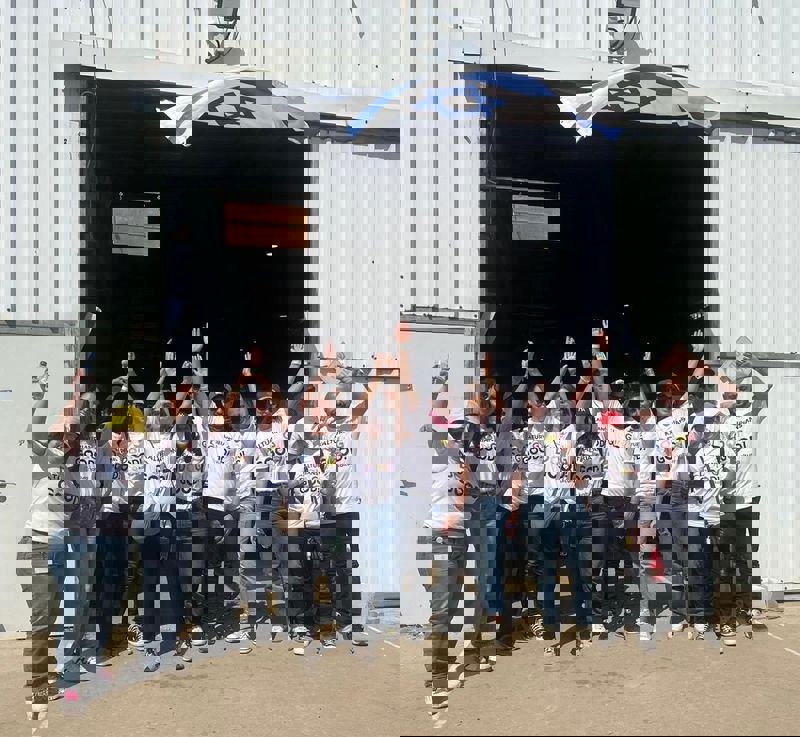
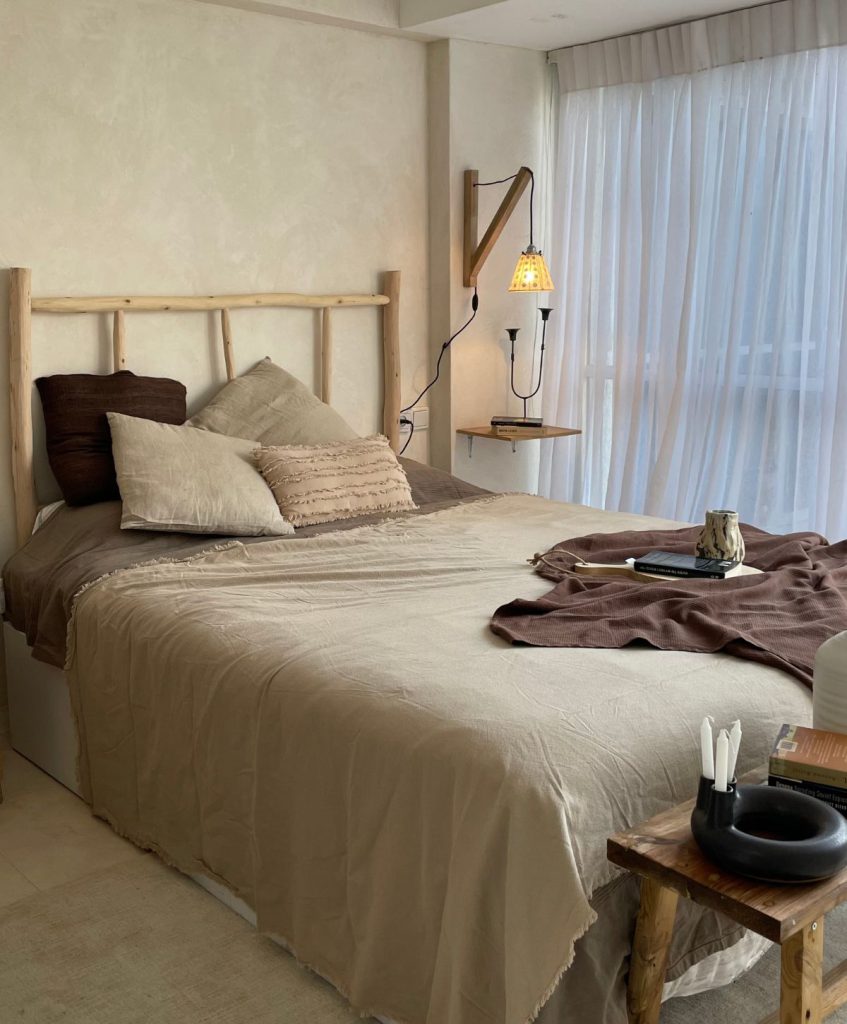
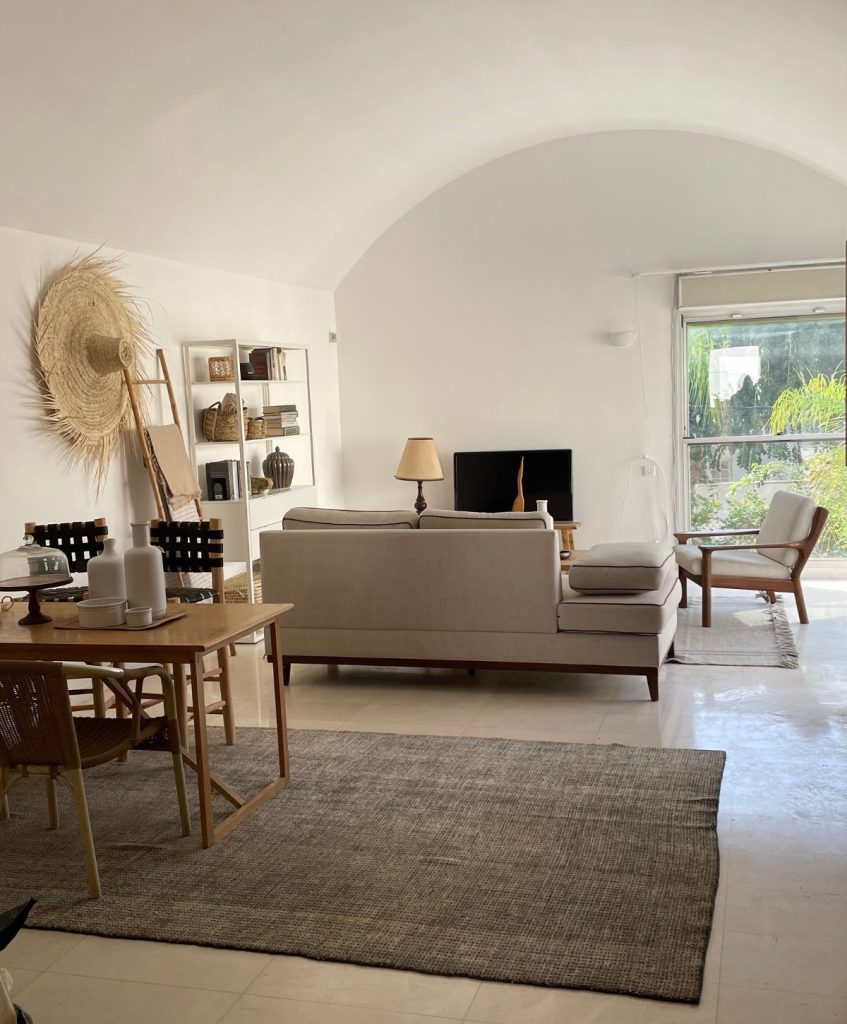
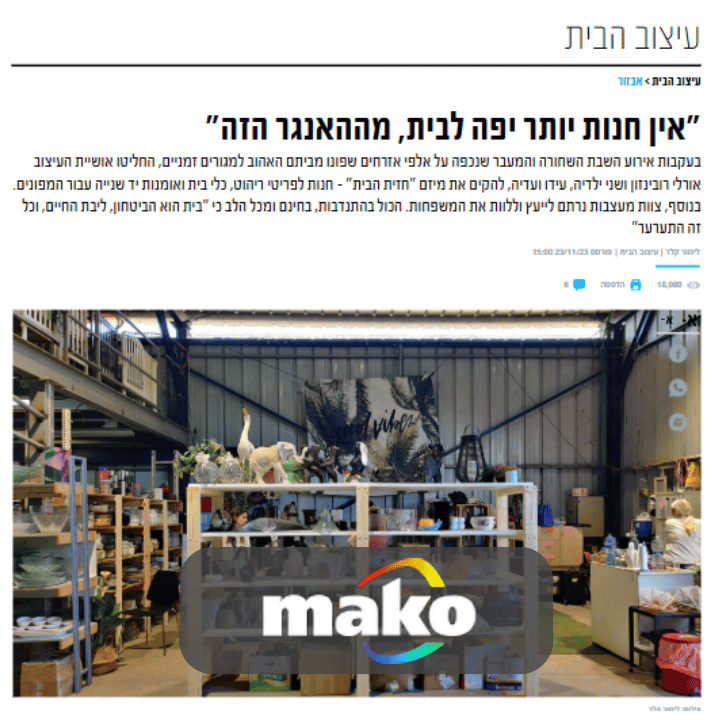
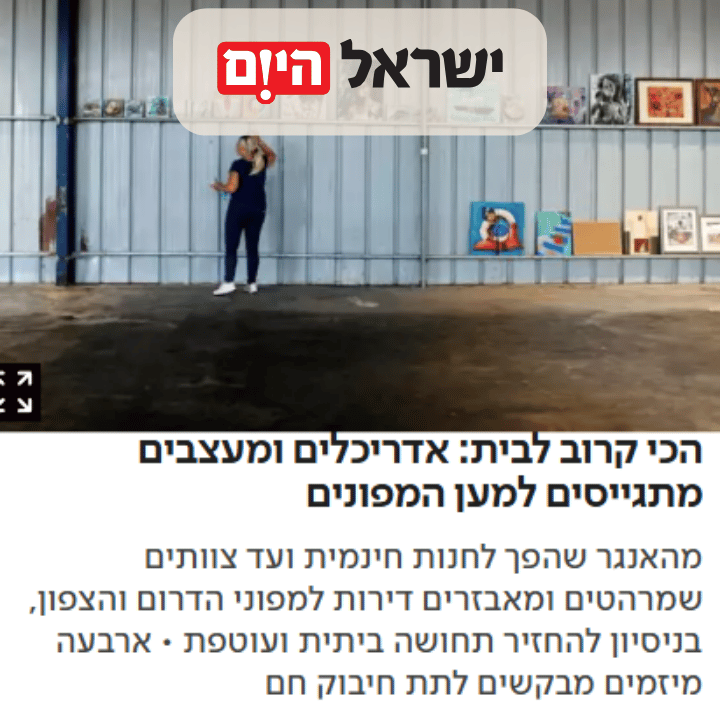
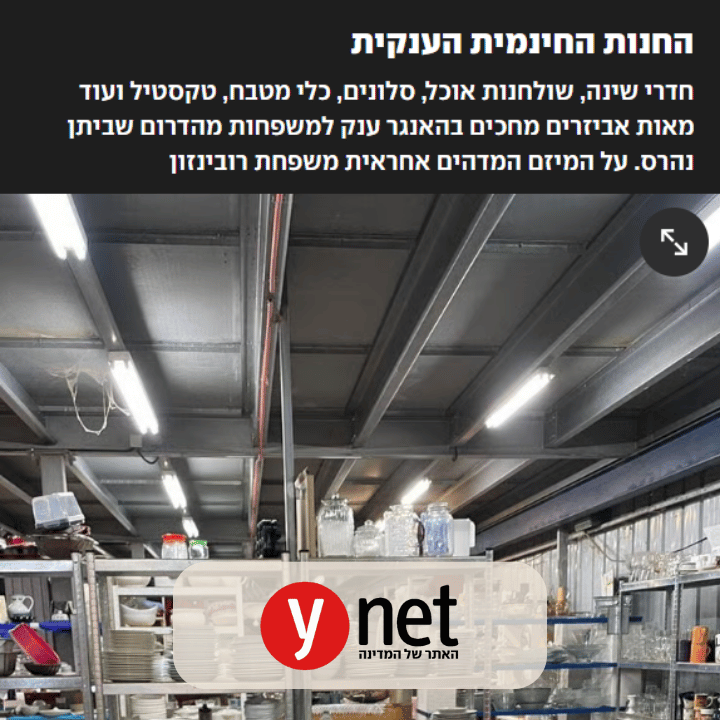
Our Hangar is full and overflowing with beautiful objects, items, and pieces of furniture. They are displayed with the intention that a family will choose them for their new home. Sometimes a family selects an object or piece of furniture purely for its functionality. Sometimes the objects evoke a smile, a cry of joy, or even a tear—perhaps awakening memories of a home that once was. A particular object can symbolize hope, aspiration, or the desire to return to routine. And for everyone, these are beautiful objects—otherwise they would not be chosen.
Our Hangar is a terminal of objects and belongings. Those that are given carry meaning for their donors, who seek to part from a symbol, a period, or an emotion through the act of donation. And thus, they become once again—simply beautiful objects.
Credits:
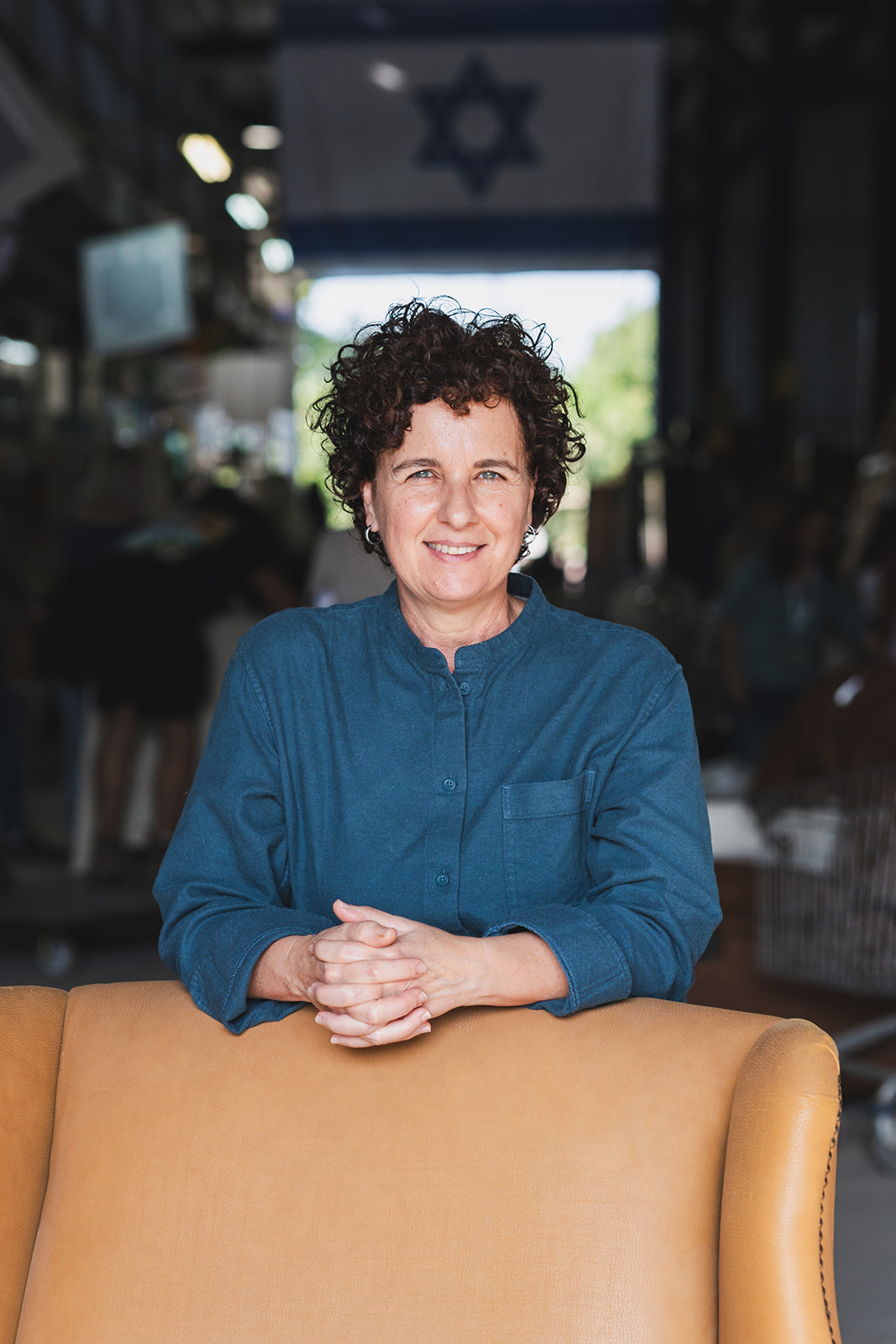
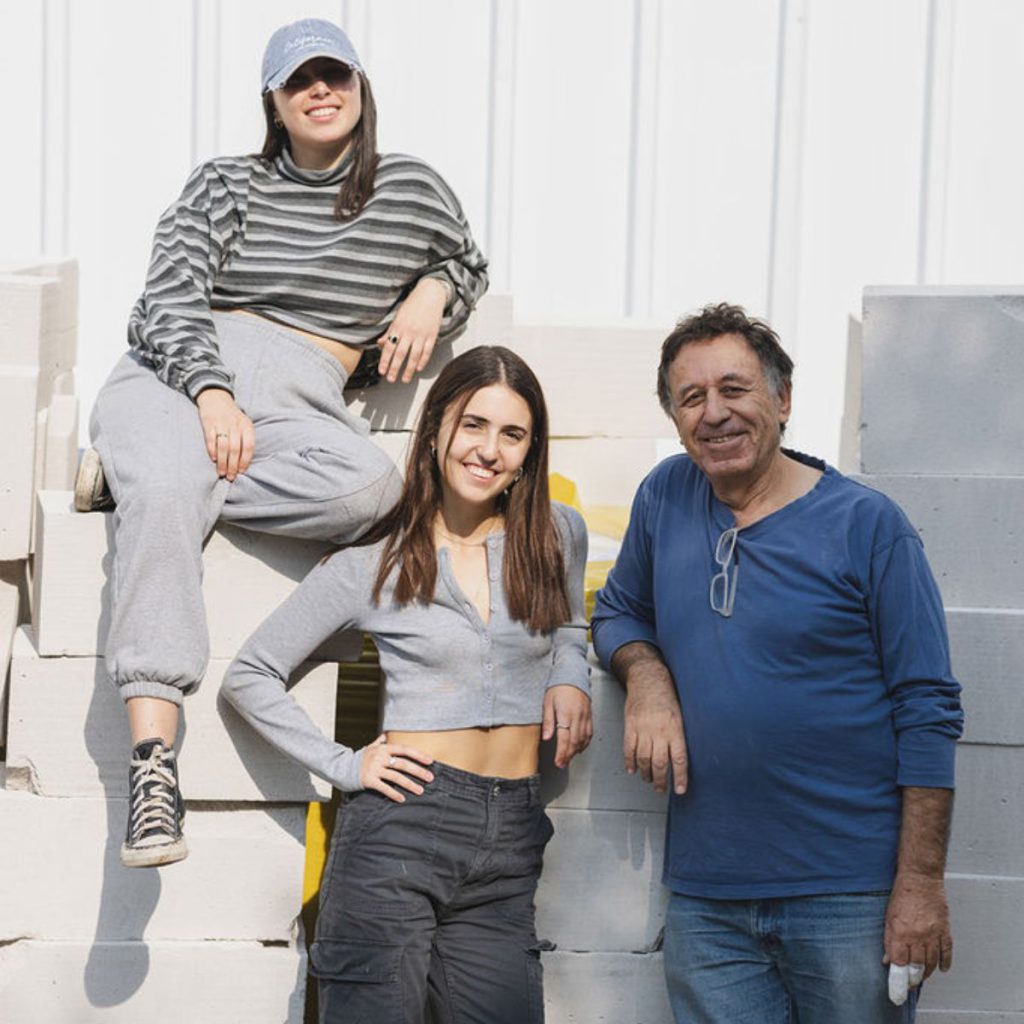
Curation and Production – Revital Ben Basht
Concept – Orly Robinson
Writing – Revital Ben Basat, Orly Robinson, Tzvia Lifshitz, Nava Carmeli
Construction – Liron and Miki Lifetz
Recordings – Elad Dan
Rummikub
The Rummikub game that survived stands on a soot-covered shelf in a house at Kibbutz Be’eri, like a green shrub that miraculously remained alive and blooming within a burned forest. A few days after the visit in which the photograph was taken by project volunteers, a vintage version of the game arrived at the Hangar—a wooden box with metal tile holders inside.
A young couple evacuated from the Gaza border region to a home in Tel Aviv adopted it, marking for themselves hope for continuity, life, and optimistic childhood. It is likely that the Jewish inventor of Rummikub never imagined that the familiar and beloved game, which in many families created an intergenerational bond and hours of enjoyment, would one day symbolize the ability to rise from the ashes and the desire to continue living, playing, and laughing.
Time Stood Still
She arrived at the “Home Front” hangar after recovering from severe injuries. Her husband and infant daughter were murdered in the horrific massacre of October 7, as they were building their new home.
At the Hangar she showed a photograph of a green wall clock and asked for one exactly like it, if possible. She held onto it tightly as a memorial to her husband and the life they once had. This had been his only request when they designed their kitchen. It was clear to everyone—especially the family escorts—that we would turn the world upside down to find that exact clock.
During a tour of the burned homes of the kibbutz, volunteers entered her house and saw on the kitchen wall a soot-blackened circle that testified to the green clock that had once hung there. Its size was indeed unusual. After great effort, tracing importers and manufacturers, and conducting a worldwide detective operation, the escort Aviv succeeded in locating an identical clock.
The hands of the old clock seemed frozen at one horrific moment on the burned wall. The new clock, now hanging in its place in the family’s temporary home, is trying—together with the mother and her two surviving children—to learn how to begin counting time again, the time that comes after…
Dxie
The youngest daughter of Superintendent (Chief Inspector) Avi Amar, of blessed memory, arrived at the Home Front Hangar. He was among the first forces to enter the Gaza border communities. She wandered through the Hangar and enjoyed selecting and collecting unique items that captured her heart.
On a side shelf in the gallery lay a tapestry (embroidered picture) of a horse, its head adorned with a light stripe. “That’s exactly what Dixie looked like!” she said. “My childhood horse. All my earliest memories of my father are connected to horses. This is a sweet memory of my dad, of life—not of death,” she concluded, as she embraced the embroidered horse and made it her own.
A. Kozlov
Andrei Kozlov was kidnapped from the Nova music festival. He was held captive by Hamas for eight months, at the end of which he was rescued in a heroic military operation.
During one of his visits to the Hangar, he asked for assistance in choosing artworks and selected a picture depicting a male figure wearing a chain—perhaps a “chain of protection”—a figure that seemed to echo Andrei himself, who survived and endured. Only after the picture was hung on the wall of his new apartment did we notice the artist’s signature: A. Kozlov.
This was one of those moving and surprising coincidences that occur quite often at the Hangar, as if to remind us that everything has a reason, even if we do not always know what it is. Tracing the identity of the artist revealed that it was Eliyahu Kozlov, an artist specializing in photography and printmaking, who worked at the jewelry factory in Kibbutz Kabri.
Dowry
During the newly wed couple’s visit to the Hangar, she noticed a set of plates identical to the one that was lost when a missile struck their home in a northern kibbutz. This set had accompanied her throughout her life and had come with her as a dowry into a relationship that was renewed in their seventies.
Life had led them on separate paths—wars, separation, relationships and families, and also widowhood. Just before the war, they reunited, merged households, experienced evacuation, a missile strike on their home, and even a moving marriage proposal on the shores of the Sea of Galilee, at the hotel to which they had been evacuated.
Finding the plate set in the Hangar, exactly matching the one shattered in the missile strike, symbolized for her the blessing of a dowry ahead of her new marriage. And we could not think of a more fitting wedding gift for the newlyweds.
Tension Bar
The volunteer accompanying a father from Kfar Aza could not ignore the father’s excitement when they came across a pull-up bar and gently asked, “Tell me—what’s so moving about a pull-up bar?”
“A bar like this saved my family,” he said. “The day before the Black Saturday, my son installed a bar in the doorframe of the safe room. When the terrorists entered our home, we wedged the door with it. When they sprayed the safe-room door with bullets, none of us were injured. Thanks to the support of the bar, we could keep our distance from the door and didn’t need to press against it. That’s how our lives were saved. My wife will be so moved when she sees what I found here,” he added with a smile.
In mysterious ways, timing, creativity, and fate come together, and an object meant for one kind of life is given a different turn and a different mission to fulfill. How much tension and weight can one pull-up bar carry?
A Candy Store
For a grandmother from a Gaza envelope kibbutz, visiting the Hangar replaced her need for a therapist. Having survived a confrontation with terrorists on October 7th by bribing them with jewelry and cash, she uses her visits to slowly release the trauma by sharing her story with volunteers. Her granddaughter notes that she refuses formal therapy but finds joy in the abundance of the Hangar, feeling like a “little girl in a colorful candy store”.
Winning Horses
A Bedouin youth, whose home in the Negev was destroyed by a missile, visited the Hangar with his mother to find furniture for their temporary residence. He specifically chose a picture of horses, explaining that they symbolize “freedom and hope”. Alongside the artwork, he collected books in English and a study chair, sharing his dreams of finishing high school, serving in the IDF and studying computer science at university.
One Family
Following the tragic events of October 7th in Sderot, where two young girls were orphaned in their car, their aunt Ortal came to the Hangar to furnish a new room for them. Upon returning home, she discovered a set of decorative letters that had been tucked into her bags. She used them to create a sign with the family’s names, sending a photo to the Hangar as a symbol that they are now “one family”.
Mugs Seeking New Love
A department manager at the Hangar donated a set of English strawberry-patterned mugs inherited from her mother. A displaced family from Kfar Aza chose the set the same day it was displayed. When the family noticed one mug was slightly different, they learned that the volunteer had kept one original as a keepsake and added a replacement to complete the set—a bridge of memory between the old home and the new.
The spiderwort plant
A woman whose son’s home was burned and whose other son was murdered in the civil response team initially felt no desire to decorate her temporary housing. However, she eventually chose a set of small wall-mounted vases for rooting plants. Over time, she has sent photos of the growing roots, symbolizing the slow process of “taking root” again after being displaced by war.
Matryoshka
A survivor of the horrors at Kibbutz Be’eri, who witnessed her husband’s murder and was held hostage, visited the vintage department. She discovered a Matryoshka (Babushka) doll that reminded her of the paradise she once had. The doll, nested one inside the other, serves as a symbol of the “continuity of human existence” across generations of women—from grandmother to granddaughter.
Do They Live Here Happily?
A mother who lost her husband and daughter on October 7th came seeking elephant-themed items for her two surviving sons. While looking for a door sign, she encountered one depicting a family of five elephants—the size of her family before the tragedy—and another with only three, both of which were too painful to take. The signs remained in the box, a stark reminder of the phrase “We live here happily”.
Beautiful Dishes
The son-in-law of designer Ronit First, a survivor of the attack on Kfar Aza, found her famous “Beautiful Dishes” ceramics on the Hangar shelves. The naive, pastoral illustrations of houses and sunrises stood in sharp contrast to the burning homes he witnessed during his rescue. Despite the trauma, seeing the dishes prompted him to remark optimistically that he still believes in miracles.
Surfboard Table
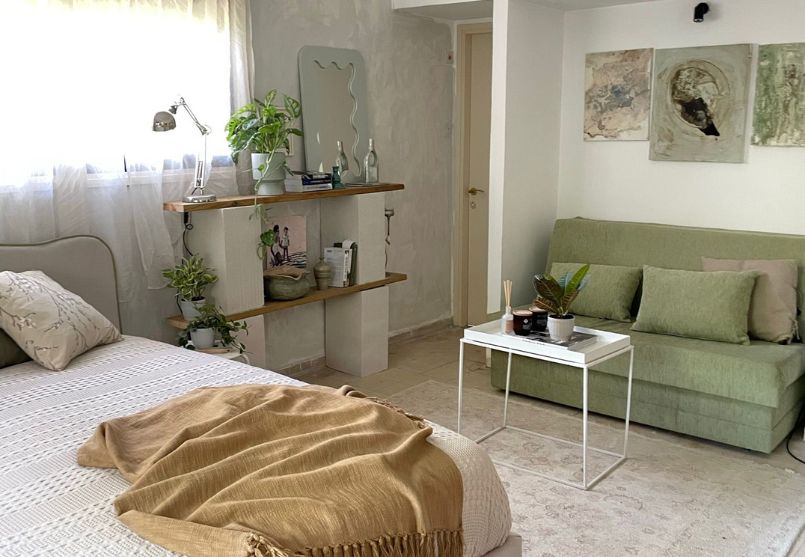
A young woman from Be’eri, whose parents were kidnapped to Gaza, joined a pioneer group to rehabilitate the kibbutz’s printing press. She requested a surfboard-shaped table for her room, which the “Hangariya” workshop custom-built for her. This unique piece launched a new product line for the project as they continued to pray for her father’s return.
Agents of Memory
A mother who lost her daughter at the Nova festival visited the Hangar to “reassemble the puzzle of her life”. She returned a few days later with a box of her own beautiful dishes to donate, explaining that she could no longer use them because they were “painful memories” of meals shared with her daughter. These objects became “agents of memory” for the life she left behind.
A Starting Dresser
A couple displaced from the North for nearly a year finally moved into a temporary apartment. To brighten their “dark” outlook, they repurposed a baby changing table from the Hangar to use as a kitchen island. The woman noted that one day they would return home, and the dresser would finally be placed in a real children’s room, restoring her sense of hope.
A Round Table
A young widow seeking furniture for a new home for herself and her sons specifically requested “no black furniture”. She insisted on a round dining table, explaining that “when you sit around a round table, you feel less of who is missing”.
“Lorraine”
“Lorraine” a beautiful wooden dresser built by the donor’s father, arrived at the Hangar with a handwritten ‘birth certificate’ tucked inside its drawer: “This piece of furniture, built by my father in the Lorraine region of France, is made of superb materials and quality.” The donor added a request to hear that it found a “good home”, a request reflecting the emotional connection to the fate of the object that was very dear to his heart, and which he donated generously and with a full heart. He concluded with wishes of enjoyment from the furniture and added – “Am Yisrael Chai” (The People of Israel Live).
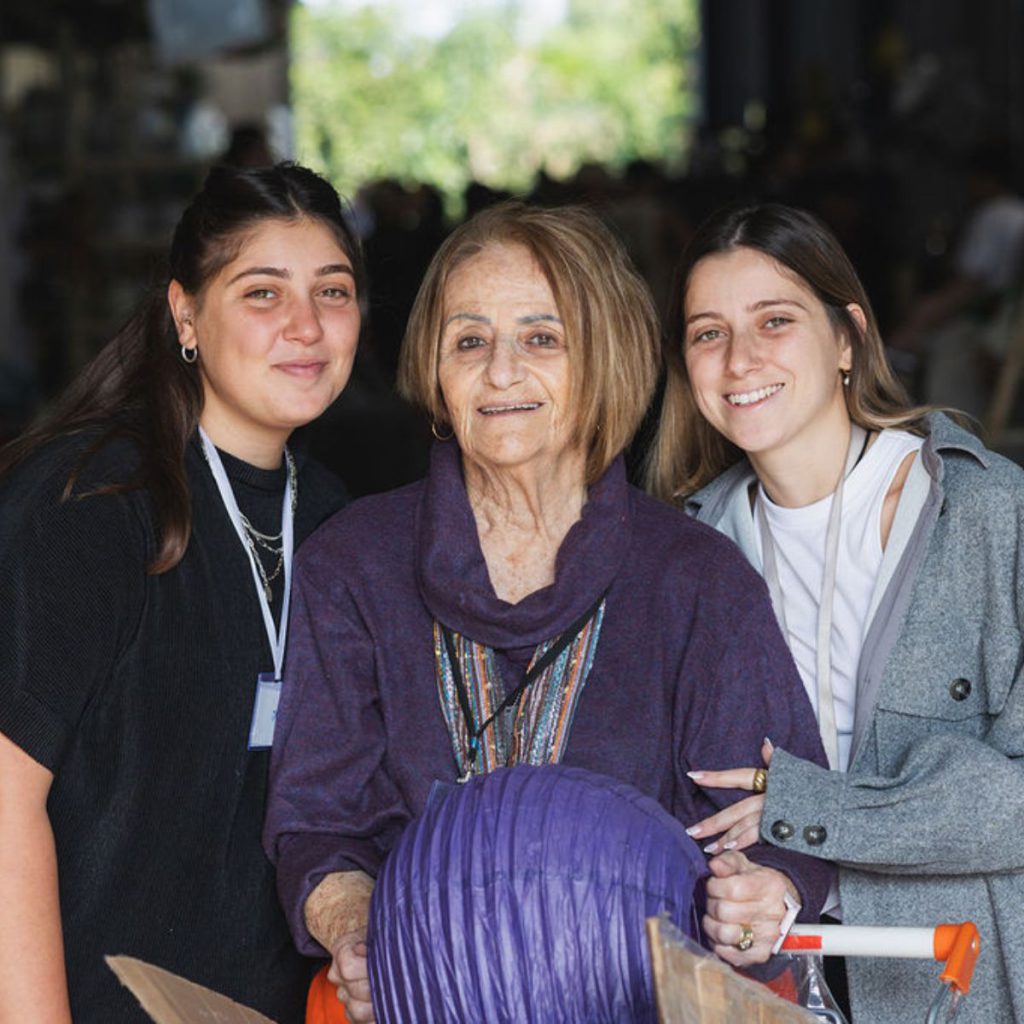
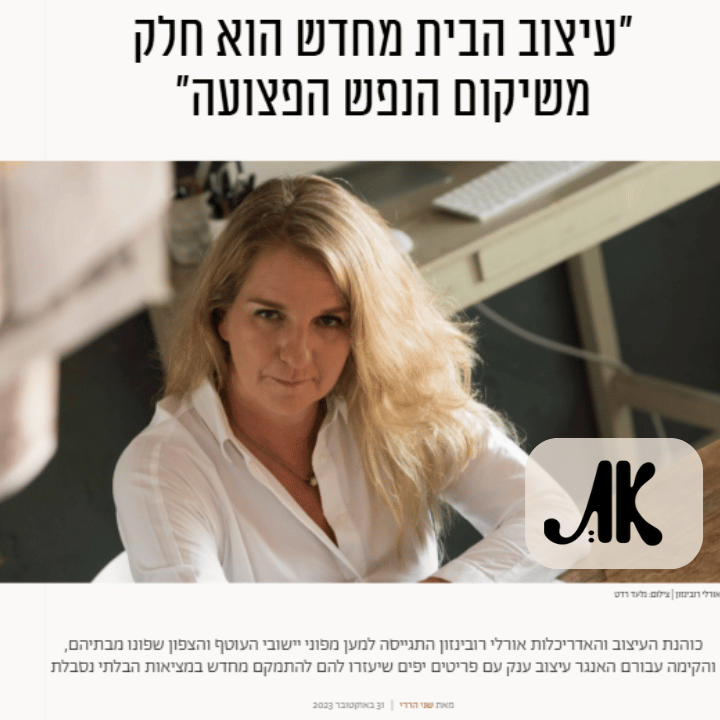
“Donate what you don’t feel like giving” – Orly Robinson, the project’s founder, outlined a guiding principle that formed the basis for collecting donations from the earliest days of the project earliest days. In doing so, she created the DNA of the project—a mark of quality for the Hangar items that will continue their journey, bringing joy to the next family that receives them and allowing them to feel wrapped in the dignity they deserve.